Online Reporter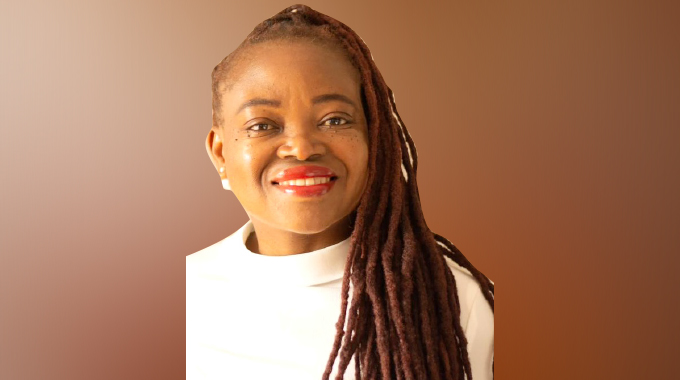
Zimpapers Entertainment Editor
ZIMBABWEAN author and storyteller, Sue Nyathi, has stormed onto the global stage after her novel The Polygamist was adapted into a Netflix production.
But, even in the glow of international success, she is sounding the alarm over what she calls a deepening literacy crisis in Zimbabwe.
Nyathi says the country’s reading culture still holds strong promise, but urgent action is needed to revive reading habits, especially in rural communities where access to books remains painfully limited.
The celebrated writer, whose work has now reached audiences across the world through Netflix, says Zimbabwe continues to rank among Africa’s strongest literacy nations.
However, she warns that the gap between urban and rural learners is widening dangerously.
“Zimbabwe has consistently had one of the higher literacy rates on the continent, and that’s something we shouldn’t overlook,” she said.
But behind the achievement, Nyathi paints a worrying picture. She says urban areas enjoy better access to libraries, qualified teachers, learning materials and schools, while rural communities are left behind due to underfunded institutions and shortages of reading resources.
“Urban communities enjoy better access to schools, libraries, qualified teachers and learning materials while rural areas continue to lag behind because of limited resources and underfunded schools,” she said.
Nyathi argues that this imbalance is shaping how reading culture develops — or fails to develop — across generations.
She also warns that the reading market in Southern Africa is shrinking at an alarming rate, threatening the survival of writing as a profession.
According to her, reading is increasingly being treated as a luxury rather than a necessity.
“Reading is still viewed as a luxury rather than a priority, and that has a direct impact on writers. When the market isn’t growing, writing as a career simply isn’t financially sustainable for most people,” she said.
She further highlighted the high cost of publishing in the region, saying expensive production processes push book prices beyond the reach of ordinary readers. This, she says, creates a vicious cycle — fewer readers mean fewer publishers, and fewer publishers mean even less access to books.
To turn things around, Nyathi is calling for government intervention and stronger partnerships with private players in the creative industry.
She wants subsidies for book production, revival of mobile libraries, and the establishment of community reading hubs to reconnect people with literature. She also believes Zimbabwe must do more to preserve its own stories.
“The history of this country is rich and largely untold, and that’s something I think needs to change,” she said.


 Bongani Ndlovu