

 admin
admin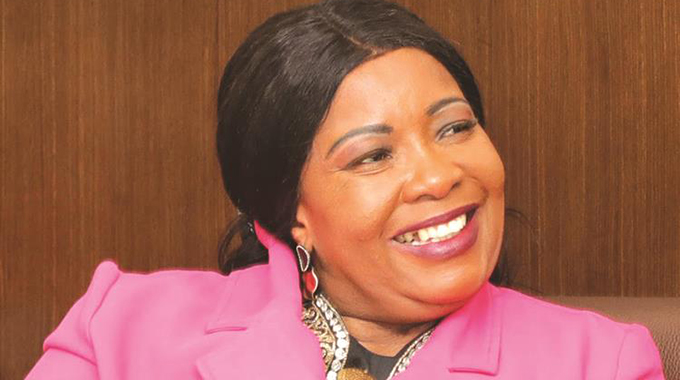
Tendai Rupapa in ADDIS ABABA, Ethiopia
AFRICAN First Ladies have unanimously agreed to support proven high-impact and cost effective interventions when advocating gender equality and empowerment.
In a communiqué issued at the end of the 24th Ordinary General Assembly for the Organisation of African First Ladies for Development (OAFLAD) here, the First Ladies said they will promote the girl child’s education and gender equality.
They agreed to advocate for the elimination of practices such as female genital mutilation and child marriages, a legal framework to address gender-based violence against women and support innovative campaigns and continuous dialogue to transform social and cultural norms that inhibit women’s rights.
The 2020 theme for OAFLAD is, “Gender Equality and Women Empowerment: A Pathway to the Africa We Want”.
First Lady Auxillia Mnangagwa is the OAFLAD vice president. During the general assembly, the First Ladies outlined their strategic plans from 2019 to date, their accomplishments, challenges and way forward.
In her opening remarks, Ethiopian First Lady, Madam Zinash Tayachew, represented by Ambassador Birtukan Ayano, said it was critical that women are elevated to decision-making positions for the betterment of their countries and the continent.
She said she was committed to delivering successfully on her initiatives that included working with the disabled and special needs communities through the donation of assistive devices.
“We are building schools in remote areas where no elementary schools exist,” she said.
The First Lady of Niger, Madam Aissata Issoufou Mahamadou, spoke on the need to work towards the upliftment of women in Africa.
Commissioner for Social Affairs at the African Union Commission, Madam Amira Elfadil Mohamed Elfadil said: “OAFLAD represents a very important platform to drive the empowerment agenda for our people, particularly the most vulnerable — our children, our daughters, young people and women.”
Amai Mnangagwa, who was represented by Dr Bernard Madzima of the Ministry of Health and Child Care and also an OAFLAD technical advisor, addressed the topic; “In 2019 what were the key efforts towards reducing maternal mortality in your country. How do you plan to take your efforts forward in 2020?”
She noted that Zimbabwe was among countries with a high burden of maternal mortality.
The First Lady said the country’s maternal mortality ratio as of 2019 is at 461/100 000 adding that the aim is to achieve the Sustainable Development Goal of maternal mortality ratio to less than 100/100 000 by 2030.
“In this regard as Ambassador of Health and Child Care, my office is working with the Ministry of Health and Child Care (MOHCC) to address the identified three delays that contribute to maternal mortality.
“In 2019, my team worked with support from UNAIDS, National Aids Council of Zimbabwe and MOHCC to produce a strategic document for engagement of the Office of the First Lady of Zimbabwe in health issues. One of the thematic areas in the document is improving maternal health outcomes. In the implementation plan of that document we have made sure various activities are done and for my office to assist MOHCC achieve the reduction of maternal mortality.”
She told the Assembly that she had carried outreach activities throughout the country, mobilising and encouraging pregnant women to book for antenatal care.
“We have also reached out to religious sects who have been reluctant to visit health facilities, meeting with apostolic sects also with traditional chiefs throughout the country. This kind of interaction has yielded positive results,” she said.
“We also provide health services during these campaigns for example BP checks, cervical cancer screening, HIV counselling and testing. As First Lady, I have resource-mobilised for our maternal health services.”
She also mobilised resources for the building of at least two clinics in rural Zimbabwe in places where health services were not reachable.
Amai Mnangagwa has continued to look for modern equipment and technology for hospitals.
“In December, I led a delegation of businesspeople to China where we engaged various business organisations trying to have them invest in Zimbabwe. One of the areas that was represented was health.
“I am glad to say we are almost at the end of sealing a deal with a China firm which will see the establishment of oxygen plants at all the five central hospitals in the country. Oxygen is one of our major cost drivers in health expenditure,” she said.
Going into 2020 and beyond, Amai Mnangagwa said she was hopeful the work in her office will be guided by the strategic plan 2019-2023.
Sierra Leone First Lady Fatima Maada-Bio’s topic was on education and child marriages.
She said: “For Africa to develop we have to focus on improving education and ending child marriages that are keeping our girls out of school.
“There are also other issues that are keeping these girls out of school relating to the lack of access to sanitary ware which we should strongly focus on.”
UNAIDS representative Mrs Winnie Byanyima acknowledged the work being done by the First Ladies in addressing the HIV/Aids pandemic in Africa and said more can be done to mitigate the effects of the disease.
She said First Ladies were in a unique position to address the challenges of HIV among women, girls and children using their influential positions to raise awareness.



 Online Reporter