Andrew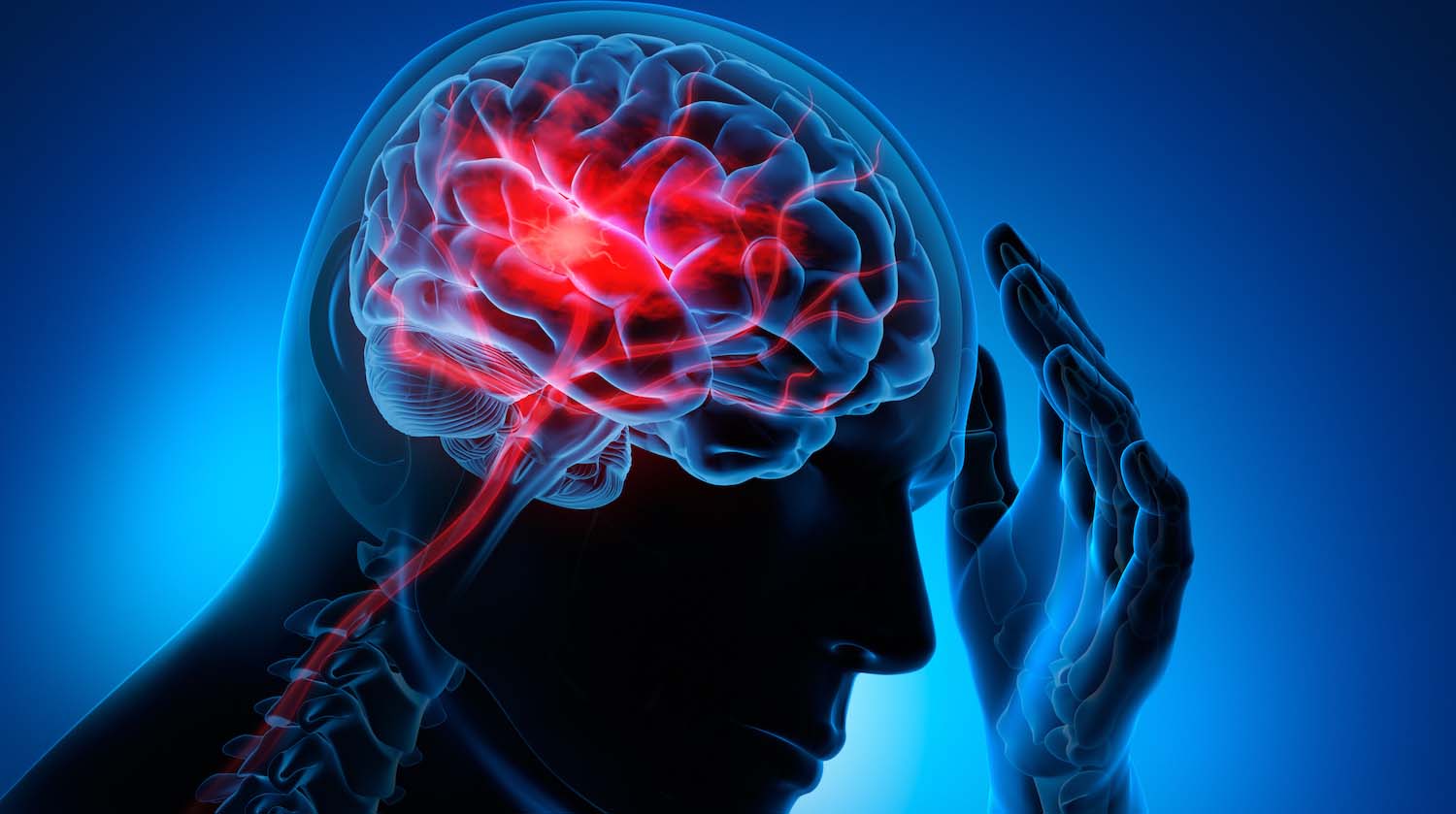
Brian Mutandwa
GENERALLY, it is believed that one in every six Zimbabweans will have a stroke in their lifetime. This calls for Zimbabweans to take the necessary measures to prevent strokes or take remedial measures when affected by a stroke.
A stroke or cerebral vascular accident (CVA) comes after there is an abrupt obstruction to the blood supply of the brain causing a localised loss of function to the affected portions of the brain. This disturbance is commonly sudden and occurs without a notice, and is accompanied with tense episodes of headaches, loss of balance, hemiparesis, numbness, loss of bladder control and a lot more other signs.
The good news is that it is possible to recover from a stroke, but only if the right medical procedures are conducted.
Fundamentally, the doctors and nurses stabilise the patient’s vitals, specifically the pulse, breathing rate, blood pressure, internal bleeding, temperature and other underlining conditions. Re-establishment of lost functions falls under the domain of the rehabilitation team with the Occupational Therapist playing the pivotal role.
It is imperative for a stroke patient not to undermine the rehabilitation process because it ensures a quick and sound path to recovery. The challenge we have in Zimbabwe is that certain medical practitioners undermine the need for occupational therapy. The other challenge is patients themselves and their caregivers fail to appreciate the prominence of the rehab process possibly because of myths. That outcome is a lifelong disability for the patient. The small percentage of patients that turn up for occupational therapy after years of the stroke do so with a variety of complications namely shoulder subluxation, adhesive capsulitis, contractures, and so forth.
The roadmap to recovery is never easy to predict, but it basically depends on the assessment findings, patient motivation, cooperation, comorbidities, age, as well as whether there was early or late onset of the occupational therapy process. Assessment is mainly subdivided into sensory function, motor function, perception, cognition and psychological factors.
For a person who has had a cerebral vascular accident or loss of function on one side of the body due to muscle weakness, it is the role of the occupational therapist to stimulate the affected muscle groups making use of numerous approaches and techniques. These techniques include heat therapy, cryotherapy, exercise therapy, positioning and vibration therapy.
A stroke is a horrible manifestation to the patient and the family. The majority of the patients experience serious psychological and emotional problems. It is often a traumatic and devastating experience for the patient and their family.
Emotions experienced often include shock, disbelief, anger, and frustration. Patients often ask: “Why has this happened to me?”, “What have I done to deserve this?” These feelings of distress have been likened to the process of grieving following a bereavement, as a stroke too is associated with loss.
Stress related to the loss of function, feeling helpless, loss of employment, hospital bills and pre-existing bills often increases the risk of mood disorders. Depression is the most common mood-related problem after a stroke, with estimates suggesting that between 20 to 50 percent of patients might be clinically depressed at any one time.
Feelings of depression can sometimes emerge towards the end of rehabilitation, often as people start to realise that they may not have made as much gains as they had hoped. Feelings of distress are, however, common, and are understood to be a part of the natural process of emotional and behavioural adjustment.
Anxiety is another common issue in a stroke. Panic is a specific type of anxiety sometimes experienced by stroke patients, and tends to be characterised by very rapid or deep breathing. The effect of this is that the amount of oxygen in the lungs will be reduced, and this can then in turn lead to a range of unpleasant body sensations, such as faintness, dizziness, tingling, headaches, racing heart, flushes, nausea, chest pain, and shakiness. These sensations can be extremely worrying for the patient, and are often misinterpreted as something medically wrong, such as having another stroke. Fears and concerns then intensify, which results in over-breathing, hence a vicious circle of panic can develop.
Routine assessment of cognitive functioning is usually undertaken with a screening instrument, and followed up with in-depth specialist assessments, if problems are detected. Screening instruments vary in their complexity and the range of functions that they assess.
The mini mental state examination is conducted by the occupational therapist and it assesses orientation, short-term memory, attention and concentration, praxis, hemi-negligence, concrete thinking, consciousness, agnosia, and many more. These tests are important in order for the occupational therapist to make recommendations for the patient’s safety in the environment. For instance if a patient with left side hemi-neglect is allowed to drive a vehicle, chances are that they will go on bumping into objects on the left side of the vehicle. Even after the Occupational Therapy process, a return to work recommendation is issued by the therapist using assessment findings.
In conclusion, stroke patients and their caregivers are encouraged to visit occupational therapy departments in their local hospitals and clinics to have some of their problems addressed.
Brian Michael Mutandwa is an occupational therapist by profession with special interest in neuro-rehabilitation. He writes in his own personal capacity. Ideas stated are entirely his and are not universal so they may differ with other individuals or institutions. They are given solely for information purposes and should not be used as substitute to the advice given by health care workers/clinicians. Comments and views: [email protected]



 Online Reporter