Sundaymail Editor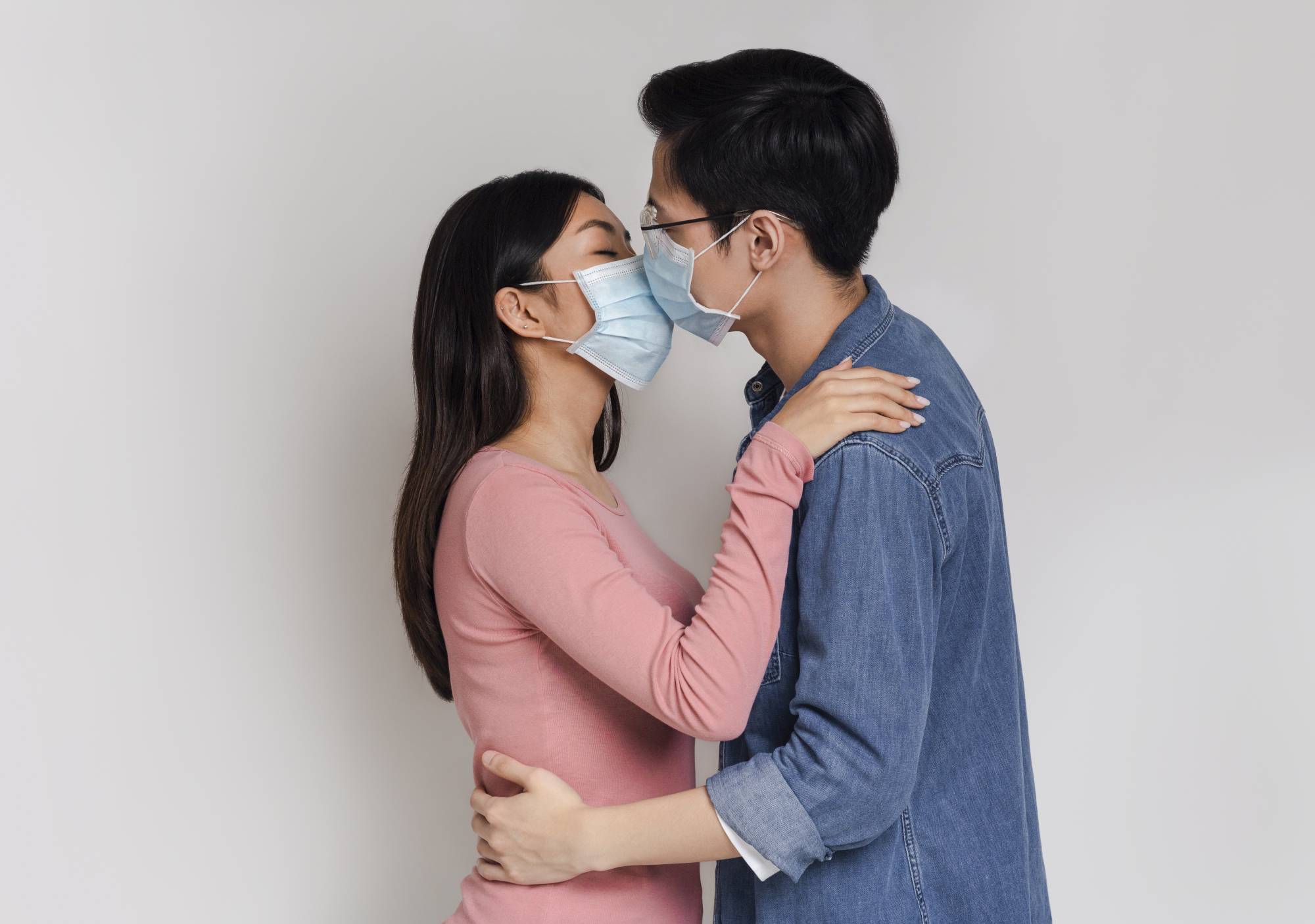
IN the wake of uncertainties posed by the Covid-19 global pandemic, recommended physical and social restrictions are presumably affecting intimate contact.
Literally, intimate contact means intentionally exposing the body of one person to bodily fluid(s) of another person.
Intimacy is defined as closeness between people in personal relationships.
It comes in various forms such as physical, emotional, intellectual, recreational, financial and unconditional intimacy.
According to clinical psychologist Helen Brenner, “for many couples, making love involves a sense of intimacy and emotional closeness.”
Critically, physical intimacy is not all about sex, but about hugging, kissing and touching a partner. Intimacy includes physical closeness.
In this era of Covid-19, it is critical to explore novel ways of sharing love and affection without patently involving physical contact.
Scientifically, the Sars-Cov-2 virus is generally transmitted from person to person through close contact.
The coronavirus is carried in respiratory droplets and naturally transmitted by coughing and sneezing.
Viral particles called aerosols may float or drift in the air when an infected person talks, sings and or breathes.
Unfortunately, people nearby may inhale these aerosols and possibly contract the disease.
Researchers have observed that the coronavirus can live on surfaces.
Sars-Cov-2 virus maybe spread when a person touches infected surfaces and then touches the nose, mouth or eyes.
More importantly, the coronavirus can be shed in saliva, semen and faeces.
And getting in contact with infected body fluids through kissing potentially transmits the coronavirus.
Many forms of intimacy require a closer contact than the recommended physically distancing of two metres.
As such, intimate contact is strongly discouraged to contain the spread of the contagion.
Obviously, the situation is quite different for healthy couples.
And sharing a bed with a healthy partner should not be an issue. But couples must always be wary of the pre-symptomatic phase – the early incubation period.
And some people may never develop clinical symptoms of the disease (asymptomatic).
So the virus may possibly spread through physical contact and intimacy.
In fact, dating does not comply with the recommended health protocols.
And starting new relationships in this Covid-19 pandemic era ought to be carefully considered.
However, physical and social distancing may not entirely deter sexual activities.
According to sociologist Norman Kaplan, sexual pleasure is a construction.
Interestingly, the more a couple is intimate with each other in ways other than sex, the more fulfilling their sex-life becomes.
Psychologically, people respond to stress differently.
As such, the pandemic can naturally dampen sexual desires, but, they will always return once life has normalised.
While some people view being in confinement with a partner as an indisputable premise for being intimate, others may view the situation as unstable.
For some, high stress generates high search for immediate pleasure.
And safer sex behaviour eventually becomes top priority.
Coronavirus is not only the major health concern, but unwanted pregnancies, STIs and HIV/Aids must be seriously considered.
Always use contraceptives and adopt safer sex behaviours such as the use of condoms.
In the event that a partner has been clinically diagnosed with Covid-19, abstaining from all intimate contact becomes vital.
According to research, the virus may incubate for up to 14 days, hence partners are strongly advised to minimise intimate contact for up to 14 days.
The Covid-19 patient must religiously self-quarantine and limit use of common spaces as much as possible.
Generally, risks to household members are minimised through quarantine, use of face masks and excellent hand hygiene.
Intimate contact such as kissing and sharing of utensils is extremely proscribed.
For those with partners employed in high-risk sectors such as the healthcare sector and other essential services providers, personal intimate contact decisions must be seriously considered.
Ultimately, Covid-19 has manifestly brought disruptions to intimate contact.
Avoid exposure by abstaining from reckless intimate contact, observe physical and social distancing, wear a face mask and practice hand hygiene.
Everisto Mapfidze is a registered general nurse who holds a Bsc Honours in Sociology (UZ). For feedback: Whatsapp 263774042111 or Facebook: Health Talk with Everisto Mapfidze.



 Online Reporter