Online Reporter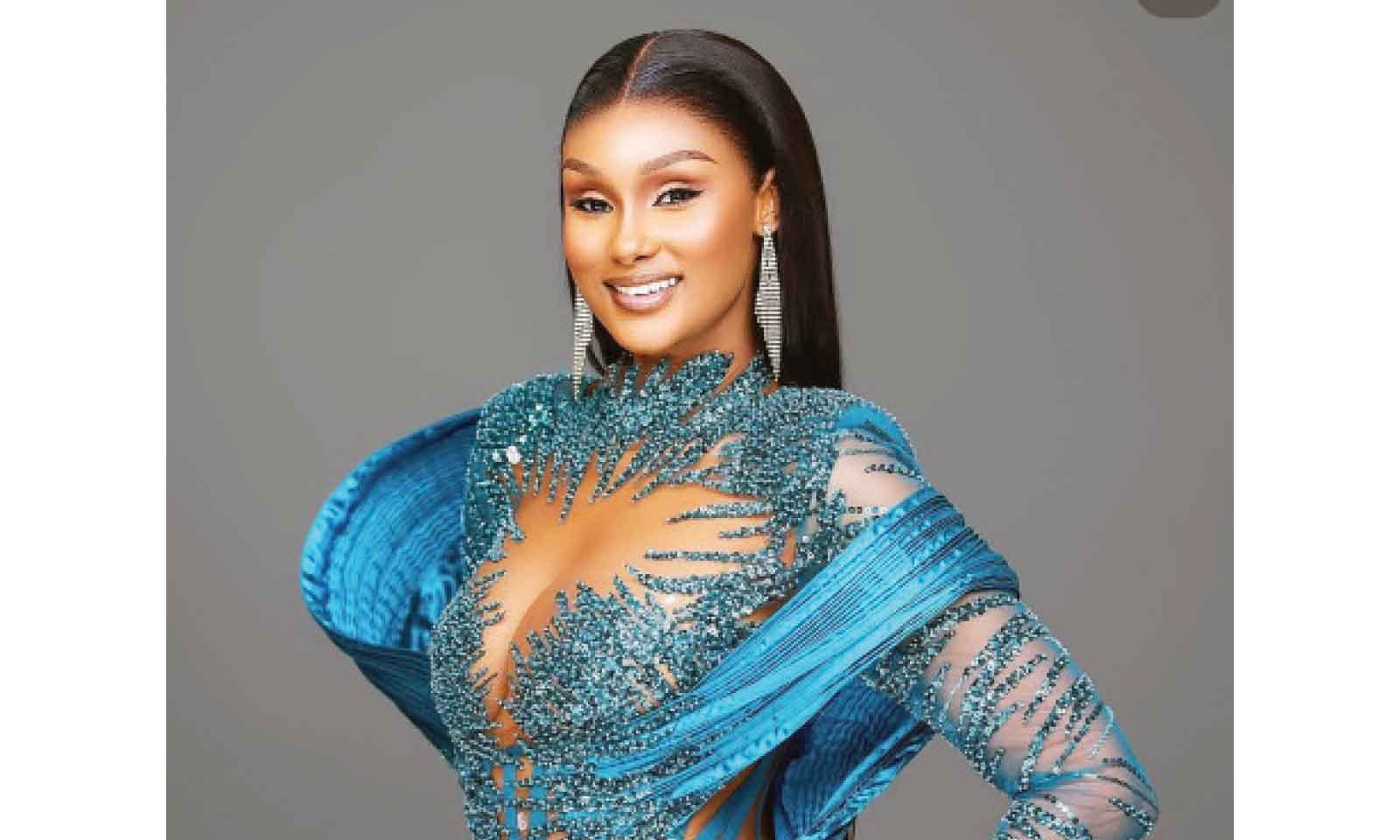
Tafadzwa Zimoyo
Fashion 263
The Miss Universe 2025 pageant wrapped up with more than just a new queen; it left the world buzzing about the unforgettable fashion moments that lit up the runway.
Delegates pulled out all the stops this year, transforming the stage into a global runway that showcased culture, craftsmanship, and daring creativity at its finest.
Contestants rocked garments that pushed boundaries, from sculpted crystal-encrusted gowns to sleek metallic silhouettes, intricate beadwork, and futuristic couture pieces that looked like they belonged in a fashion museum.
The Latina contenders shimmered in form-fitting, heavily embellished gowns, while Asian queens impressed with designs that combined heritage symbolism with modern architectural shapes. African delegates delivered breathtaking cultural fusion, using fabrics, textures, beadwork, and gold elements that paid homage to ancestral identity while embracing high-end glamour.
The night felt like a global fashion festival where every contestant arrived determined to make a statement.
But the elegance onstage coexisted with a wave of hullabaloo that unfolded both backstage and in the audience.
As soon as the top placements were announced, sections of the crowd erupted in protest, loudly expressing displeasure over what they believed were shocking exclusions and unfair judging.
Some fans booed, others shouted, and social media exploded in real-time debates, with viewers claiming that several frontrunners had been overlooked.
Backstage, tensions heightened as a few national directors confronted officials demanding clarity on the scoring process.
For a brief moment, the behind-the-scenes drama almost overshadowed the glamour happening under the lights, adding an unpredictable twist that kept global audiences glued to the spectacle.
Despite the noise, one clear takeaway emerged: the fashion game at Miss Universe is evolving, and designers are pushing the craft to extraordinary new heights.
Among the standout creatives of the night was Zimbabwe’s own Ishmael Tsakatsa of Zarguesia fame, who continues to rise as an international force in couture.
His workmanship captured global attention as he dressed several delegates, impressing stylists and spectators with garments that balanced bold silhouettes, luxury detailing, and a distinct Afro-fusion signature.
Zarguesia’s proudest moment, however, came through Lyshanda Moyas, Zimbabwe’s representative.
He designed her finale dresses, gowns that turned heads for their elegance, drama, and impeccable construction. Each dress blended Zimbabwean identity with world-class couture elements, from shimmering fabrics to intricate hand-beading that caught the stage lights with every step she took. The designs elevated Lyshanda’s performance, to top 30, earning widespread praise online and positioning her among the best-dressed contestants of the night.
Fashion critics noted that his work stood shoulder to shoulder with internationally renowned houses, proving that African designers are no longer waiting to be recognised they are claiming their space and redefining global pageant fashion.
With designers like Zarguesia stepping into global prominence and contestants now investing in highly curated couture, Miss Universe has transformed into more than just a beauty pageant; it has become a competitive, high-fashion spectacle.
The garments are no longer just outfits but storytelling canvases, cultural expressions, and artistic statements.
In the midst of the drama, excitement, and celebration, one thing was undeniable fashion emerged as the true star of the night, fearless, spectacular, and unforgettable.
They looked rich.
However, according to Sarene Kloren, if you’ve ever looked at someone like Catherine, Princess of Wales, Princess Charlene of Monaco, or even Rihanna and wondered,
How do they always look so effortlessly wealthy?
Here’ a little style secret: it’s not about flashy logos or trendy extremes.
Instead, truly wealthy women often follow a few timeless fashion rules that quietly signal refinement, not just affluence.
Here are five style missteps that rich women typically avoid, and the more elegant alternatives they lean into.
- No more than two logos
Women who favour the “old money” or “quiet luxury” aesthetic generally steer clear of excessive branding. Visible logos are often a sign of insecurity; real elegance is rooted in fabric quality, tailoring and design.
Instead: A simple, logo-free cashmere sweater or a finely tailored coat are often worn for their understated luxury.
- Multiple bracelets
Stacking dozens of bracelets is not the hallmark of quiet luxury. Accessories are kept refined, not flashy.
Instead: A modest, elegant watch or one fine bracelet per wrist, with rings or a simple pendant as the focal point, comfortably without revealing too much.
- More than one statement necklace
Less is more when it comes to jewellery among style-conscious wealthy women. Layering too many necklaces can come off as trying too hard.
Instead: One impactful, elegant necklace – perhaps a fine gold chain or a simple pearl strand – something that adds to the outfit rather than distracts from it.
- Short skirts for everyday wear
Crop skirts may work in sports or very specific fashion moments, but in classic wealth dressing, midi skirts are far more common.
Instead: Midi-length skirts, with slits or tailored cuts that offer elegance, modesty, and versatility.
- Wearing more than three contrasting colours together
A complicated, overly colourful outfit signals a lack of styling discipline. Classic wealthy style often adheres to a restrained palette.
Instead: The “three-colour rule”- combine no more than two or three colours, favouring neutrals like camel, navy, black and cream and if you want a pop, you add it in a small accessory, not in the main pieces.
Well, why these rules make sense:
The common thread behind all of this? A fashion philosophy known as quiet luxury or old money style, which values craftsmanship, subtle refinement, and understated elegance.
This look has been identified as a growing trend precisely because it whispers wealth instead of shouting it.
Strategic tailoring, neutral tones, and high-quality fabrics such as cashmere, silk, linen and wool are the pillars of this aesthetic.
Logos and excessively trendy pieces are often seen as unnecessary, because true style in the wealthy world is about longevity, not display.