Chronicle Editor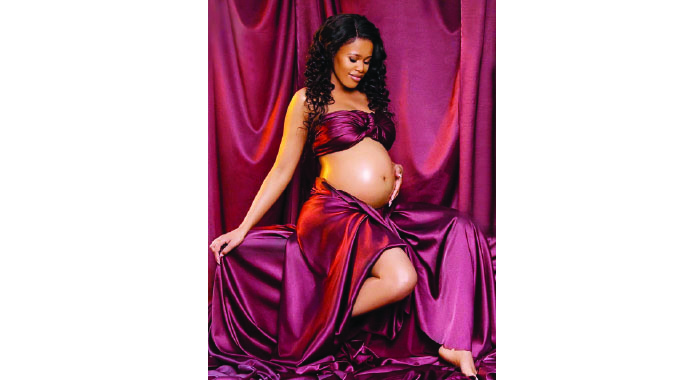
Yvonne Ncube, Showbiz Reporter
Imagine finding out you have a life growing inside you, the first thing you want to do is scream for the whole world to hear.
Finding out you are expecting is big and, in most cases, exciting news. Many individuals dream of the day when they can say “I’m pregnant.” But who you reveal this news to is another story.
You want to tell your family and friends about the good news.
In this digital age, you just want to pick up your phone and express your happiness in social spaces. The excitement is unmatched!
But can you truly achieve it in an African setting where superstitions and myths drive people’s daily lives and experiences?
The quest for the ideal time for pregnancy announcement is real.
The internal struggles between what you feel and what you are limited to are underrated.
In general, myths are made-up stories that serve as explanations in African perceptions of reality. A superstition, on the other hand, is an irrational or supernatural belief or behaviour attributed to fate or magic, imagined supernatural influence, or dread of the unknown.
It cannot be denied that myths and superstitions have endured through African history and that people have been affected by them since the beginning of time, and so pregnancy is no exception.
Pregnant women are frequently hesitant to announce their pregnancy in its early stages because they are afraid of being cursed. People are thought to be able to alter the pregnancy when the fetus is still weak, resulting in the birth of stillborn or strange creatures.
Chances are slim to none in Africa where women would reluctantly show off their bumps in public or even on social media. This is contrary to the West where women freely share the good news even when it’s weeks old.
We have seen the likes of Rihanna, Nicky Minaj and JLo photographed putting their baby bumps on full display while walking on the streets. Thanks to these women and the social media photoshoots trend, women have started letting go of their insecurities.
Last week, we saw Blood and Water actress Natasha Thahane gleefully disclosing her pregnancy to her five million Instagram followers. Draped in maroon/burgundy cloth that exposed her baby bump, the 26-year-old mother-to-be radiated her pregnancy glow.
“Is it safe?” remains the question.
Saturday Leisure went out on the streets of Bulawayo to ask women about the myths that have kept them from announcing their pregnancy.
“In as much as we’d like to show off the baby bump, we remember our social setup. This is Africa, people have their own science (black magic). Show off your bump, the next thing you’ll have a miscarriage we are often told.
“Personally, I’ve never experienced this in my circles, but I’ve known this since I was a child that someone can only announce pregnancy when the baby starts showing itself. It’s believed that when one shows off the bump at its infancy, they’re likely to lose it because not everyone will be happy about it.
“I thank the lockdown because it gave me the opportunity to hide away from people because the thought of someone jinxing you is really traumatising. We’ve also heard of other myths outside jinxing. As tempting as it may be, we’re often told that a pregnant woman should refrain from the excessive rubbing of her protruding tummy. If she indulges beyond reason, her baby will be spoiled. What the myth suggests is highly unlikely, during that nine months of our lives, the freedom we deserve has been stolen,” said *Nobuhle Sibanda.
Michelle Mguni said myths and superstitions are not real hence they should not guide how women should celebrate their pregnancies.
“For a woman, creating a life is the best thing hence many celebrate it in different ways. So if one cannot tell her friends, where is the happiness in celebrating alone? These superstitions we often hear that you’ll give birth to a creature or stillborn actually impact our mental health during that time.
“I believe these things are not true hence they should just be ignored and forgotten. It’s believed that buying, receiving, or opening baby gifts before the baby arrives attracts evil spirits or brings misfortune, such as miscarriage.
Based heavily on fear and belief in magic, this one bears the hallmarks of superstition.
“Women are also made to believe that the baby’s spirit will be scared away (in a miscarriage) if the pregnancy is announced too early. This, too, is based on a false understanding.
“The risk of miscarriage naturally is higher in the first trimester compared with the second and third trimesters.
Announcing a pregnancy in those first weeks has no influence on miscarriage risk, said Mguni.”
What is your take on myths and superstitions around pregnancy? Kindly share your opinions with us. — @SeehYvonne



 Online Reporter