admin
admin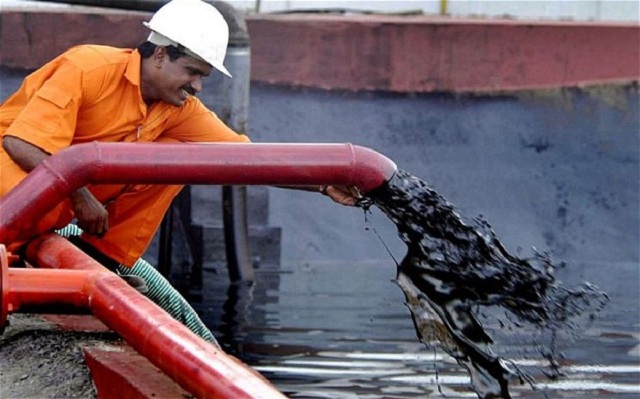

OPEC looked unlikely to take steps to cut oil production to lift languishing prices at a meeting yesterday, potentially worsening one of the worst crude gluts in history.
Benchmark Brent oil futures LCOc1 are below $45 per barrel, just a few dollars above their 6-year lows. The Organisation of the Petroleum Exporting Countries’ (Opec) own basket of crude grades is below $38 per barrel — a fraction of what most members need to balance their budgets.
Opec’s poorer countries have been piling pressure on its wealthier members, led by Saudi Arabia, to curb supply.
But Riyadh and its Gulf allies appeared yesterday to be ready to stick to their strategy of defending market share, hoping that lower prices would ultimately drive higher cost producers, such as US shale oil firms, out of business.
The Saudis have previously said they would be prepared to consider a cut only if Opec members Iraq and Iran agreed to cooperate and non-Opec members such as Russia joined in.
“We’ve said on more than one occasion, we are willing to cooperate with anyone who can balance the market,” said Saudi Arabian oil minister Ali al-Naimi.
But Moscow repeated this week it saw no chance of joint actions, and Iran and Iraq yesterday showed no willingness to curb supply either.
Iranian oil minister Bijan Zangeneh said Tehran would be prepared to discuss Opec quotas or other action only when his country reached full output levels, when and if Western sanctions on the country are lifted next year.
He said he expected Opec to maintain production policies on yesterday.
Naimi said he hoped growing global demand could absorb an expected jump in Iranian production next year.
“Everyone is welcome to go into the market,” Naimi said of Iran.
“(There are) absolutely no disagreements anywhere,” he added before the meeting started. By 1330 GMT, the ministerial meeting behind closed doors had been in progress for nearly three hours.
Iran has repeatedly said it would boost production by at least 1 million barrels per day (bpd) when sanctions are lifted.
This would add to the global glut as the world is currently already consuming up to 2 million bpd less than it is producing.
Iraqi oil minister Adel Abdel Mahdi said his country would further raise output next year after having steeply increased production in 2015.
While the Saudis can claim a partial victory over the US shale oil boom, production from top non-Opec rival Russia continues to surprise on the upside and world oil stockpiles are at record levels.
For Saudi Arabia, low oil prices and the prospects of big fiscal deficits have already prompted officials to float the idea of potentially unpopular reforms, including introducing a value added tax and cutting energy subsidies.
Reduced oil revenue is also causing some of the influential business class to push Riyadh to quickly seek an end to its expensive war in Yemen, the kingdom’s biggest strategic gambit in decades, and one that defines King Salman’s foreign policy.
However, while it has made steps to cut excess expenditure, the government has indicated it will use its vast foreign reserves and low debt levels to keep capital spending high in coming budgets to maintain private-sector growth.— Reuters.


 Online Reporter