

 daniel chigunwe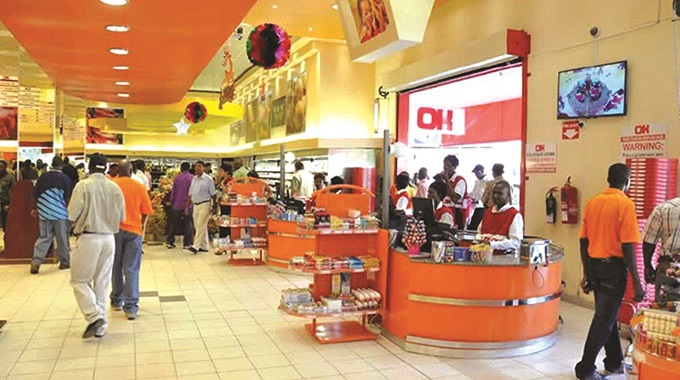
Michael Tome
OK Zimbabwe reported positive revenue and sales growth in the first half of 2024, driven largely by the success of the OK Grand Challenge promotion, which this year included OK Mart stores.
According to the group, this strategic initiative contributed significantly to an increase in the bulk sales segment when compared to previous periods, demonstrating the company’s resilience and adaptability in a challenging economic environment.
The company reported a 27,69 percent increase in sales volumes compared to the same period the previous year when it recorded a 22 percent decrease in sales volumes.
There was a marked improvement in the gross profit margin which rose to 19, 64 percent from 16,83 percent in the prior year in the latest review period.
Overall revenue experienced a notable 46,6 percent increase, to US$177 million from US$122 million recorded in the prior comparable period.
Consequently, this surge in revenue allowed OK Zimbabwe to have a modest five percent increase in profit, rising to US$3,7 million from US$3,5 million in the same timeframe last year.
The company’s performance was further aided by the introduction of the Zimbabwe Gold (ZiG) currency at the beginning of the group’s financial year which instilled a modicum of stability and helped to lower inflation rates during the first quarter.
“The group realised growth in both sales volumes and revenues. Sales volumes went up by 27, 69 percent as compared to the prior period while the gross profit margin improved from 16,83 percent in the prior period to 19, 64 percent in the current period.
“The growth in volume was bolstered by a successful OK Grand Challenge promotion which included the OK Mart stores for the first time which resulted in growth in the contribution of bulk sales compared to the prior period,” said OK Zimbabwe chairman Herbert Nkala in half-year review to September 2024.
However, the rise in the use of the United States Dollar (USD) in the market has led to an increase in USD-denominated transactions within the Group.
Multi-currency transactions in the market remain predominantly in USD, a trend that has been corroborated by the monetary policy statements issued by the Central Bank over the past year, thereby necessitating a review of the group’s functional currency at the beginning of the reporting period.
“Based on the review, the Directors concluded that the functional currency of the Group had changed from ZWL (subsequently, ZWG) in prior year to the USD with effect from April 1, 2024,” said Nkala.
The notable results achieved by OK Zimbabwe were realised against a backdrop of economic challenges, marked by accelerated growth in money supply during the second quarter, which resulted in an increase in Zimbabwean Dollar (ZiG) denominated transactions.
This situation has also exacerbated the disparity between official and parallel market exchange rates.
Suppliers accepting local currency for settlements, offered shorter trading terms or prepayments which placed additional pressure on the company’s working capital.
Exchange rate fluctuations during this period also led to pricing distortions, a position which was further complicated by the persistent shortage of foreign currency in the formal banking sector.
This exerted additional pressure on the exchange rate, resulting in greater insistence on USD settlements by suppliers and market participants alike.
Looking ahead, OK Zimbabwe expressed concern regarding the ongoing power outages, which continue to hinder business operations.
It also mentioned liquidity challenges saying they might further strain the operational environment, making it difficult for the company to maintain optimal performance levels.
These challenges are expected to be exacerbated by the tax proposals outlined in the 2025 budget statement, which may drive up operational costs and negatively affect profit margins on certain product lines, including alcoholic beverages and deli products.
OK Zimbabwe, however, noted that the company will need to navigate these complexities carefully while striving to sustain its positive momentum in the market.


 Online Reporter