Chronicle Editor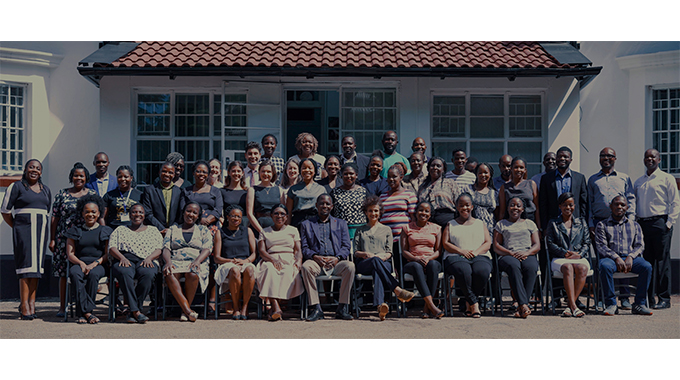
Stephen Mpofu , Perspective
MEDICAL aid is in the offing for Zimbabwean men and women aged 60 years and above and dogged by old age health challenges.
This follows workshops undertaken in Harare and Bulawayo by the Health Research Unit Zimbabwe funded by Welcome Trust to amplify the narratives of older people in this country and in the Gambia and build evidence to better the lives of the aged in the two countries in-point.
Two workshops took place in Bulawayo this week with the first on Tuesday for women and the second for men the following day with participants, including this communicologist, drawn from a cross section of the Bulawayo community.
What appeared from the discussions as a general feature vis-à-vis health conditions of elderly people in the urban setup is the flight of Zimbabweans from herbal medicine under which Africans in this country and elsewhere on our continent survived for many, many years before the arrival in Africa from overseas by those without knees who frowned on herbal medicines as primitive when compared with their “civilised modern medicines” that they introduced and in the process undermined the power of herbal treatment still available today in abundance in rural areas but kept in the shade by so-called civilised Zimbabweans.
Common among people aged 60 and above are health challenges that include hypertension, glaucoma, backaches, stomach aches and similar body health challenges that were, and still can be taken care of, by herbal medicines dug from roots of plants or from fruits but most of which have been rendered virtually extinct through deforestation by those clearing forests for agricultural purposes or for firewood to sell in urban centres and thus depriving old folk of handy, God-provided medicines in areas where health facilities are long distances away and out of reach by victims who then succumb to ailments that nature would otherwise have taken care of.
The importance of promoting herbal treatment where modern healthcare facilities are not easily accessible was probably emphasised not so long ago by a health specialist from the United States of America who visited some rural areas in this country to study the contributions that herbal treatment made to the health of people.
Born and raised in a rural area, this writer recalls how various ailments affecting eyesight, stomach and backaches and various other ailments were treated with herbs harvested from plants that no doubt still are bound in forested areas that have survived the axe and veldfires.
In the humble opinion of this writer, the kind of research through workshops as conducted in Harare and Bulawayo must surely be extended to the countryside where more Zimbabweans live today with most of them out of reach of very distant medical facilities.
Of course, a need also exists for the decolonisation of the mentality of foreigners who colonised us and threw herbal medicine out the window and in the process deprived rural folk of easy and inexpensive treatment of various ailments.
Some health experts at the Tuesday workshop pointed out that expensive medical care in the urban setup deprived some low-income earners of the healthcare that they require.
For instance, one may consult a medical specialist who does not provide medicine required for the ailment diagnosed but instead refers the patient to a pharmacy where the patient must pay an additional and even higher price for the prescription.
One health expert at the workshop gave advice against the storage of a cooked chicken in a fridge until it froze as the meat will pose risks to consumers.
To avoid conflicts in families and in general life, men of the cloth at the workshop advised the workshop audience that adherence to all the 10 commandments as enshrined in the Bible engendered obedience to God by shunning all evil acts and with that brought harmony to families.
With no news reporters covering the two workshops no one knows for sure for now what the old ladies said at their workshop.
The good news is that photographs were taken and voice contributions recorded which, according to one organiser of the workshop will be made public through videos and published recordings of the contribution by participants who were also urged by the men of God to emulate the love that mothers have for their children and for the Creator as demonstrated by women outnumbering men in church congregations.


 Online Reporter