Online Reporter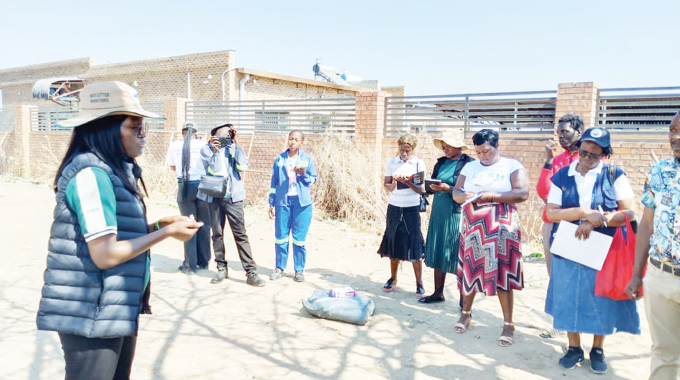
Sikhumbuzo Moyo, [email protected]
OLD Nic Mine is seeking to turn waste into wealth for surrounding communities by establishing a waste recovery centre modelled on a successful Luveve initiative that is generating income for more than 150 residents.
The mining company is spearheading plans to establish a waste recovery centre aimed at promoting environmental cleanliness while creating income-generating opportunities for local residents.
As part of preparations for the project, Old Nic Mine recently conducted a look-and-learn visit to the Mafakela Health and Environment Taskforce waste recovery centre in Ward 16, Luveve.
The Mafakela Health and Environment Taskforce, a community-based organisation with more than 150 members, has turned discarded plastics and beverage cans into a source of livelihood while contributing to a cleaner environment.
At its sorting cage at Chigumira Business Centre, members collect plastics and tins from across the community before sorting and preparing the recyclable materials for sale to a local recycling company.
The recycling firm in turn supplies the recovered materials to manufacturers locally and abroad.
Through the initiative, Mafakela members are supplementing household incomes while reducing the volume of waste that would otherwise be illegally dumped in the community or sent to landfill sites.
The Environmental Management Agency (EMA) facilitated Old Nic Mine’s visit, with the agency’s environment education and publicity officer, Ms Kayleen Dube, saying waste recovery centres provide a practical response to the twin challenges of environmental pollution and unemployment.
“Waste recovery centres address two issues, which are the cleanliness of the environment and income generation for the community,” she said.
Ms Dube said Old Nic Mine sought to learn from the Mafakela project before launching its own initiative, particularly on the importance of community participation and the challenges associated with operating a sustainable waste recovery centre.
“Old Nic Mine is doing its own waste recovery centre and came to Luveve for a look-and-learn visit.
They want to understand how this community has been running its waste recovery project,” she said.
Ms Dube said community ownership was essential to the long-term success and sustainability of such projects.
“These centres have their own challenges, so it is important that before another institution or community-based organisation undergoes the same process of establishing these sites, they understand what it means for them to be successful and what they need to do while working with the community,” she said.
“There has to be community buy-in for these projects to be successful. This is not a project that is driven by EMA, the local authority or, at times, a non-governmental organisation. The community must be involved first-hand.”
Ms Dube said Old Nic Mine had identified growing volumes of waste within its area of operation and was exploring alternatives to simply collecting and disposing of it at landfill sites.
Instead, the mine aims to turn recyclable waste into an economic resource that benefits surrounding communities.
“Old Nic Mine noted that their area of jurisdiction has a lot of waste and they don’t want to be collecting this waste and dumping it at the landfill site. They want the community there to benefit from this waste through recycling, which will financially benefit them,” said Ms Dube.
The project forms part of the mine’s corporate social responsibility programme.
Beyond creating livelihood opportunities, Ms Dube said waste recovery centres could help change public attitudes towards waste while reducing environmental pollution caused by illegal dumping and open burning.
“We believe these centres will help reduce illegal dumping and burning of the waste, which pollutes our airspace, because once residents realise that what they call waste is actually a source of income, they will change their behaviour,” she said.
The Old Nic Mine initiative comes at a time when communities, local authorities and private companies are increasingly turning to waste separation and recycling as sustainable solutions to mounting environmental challenges.