Online Reporter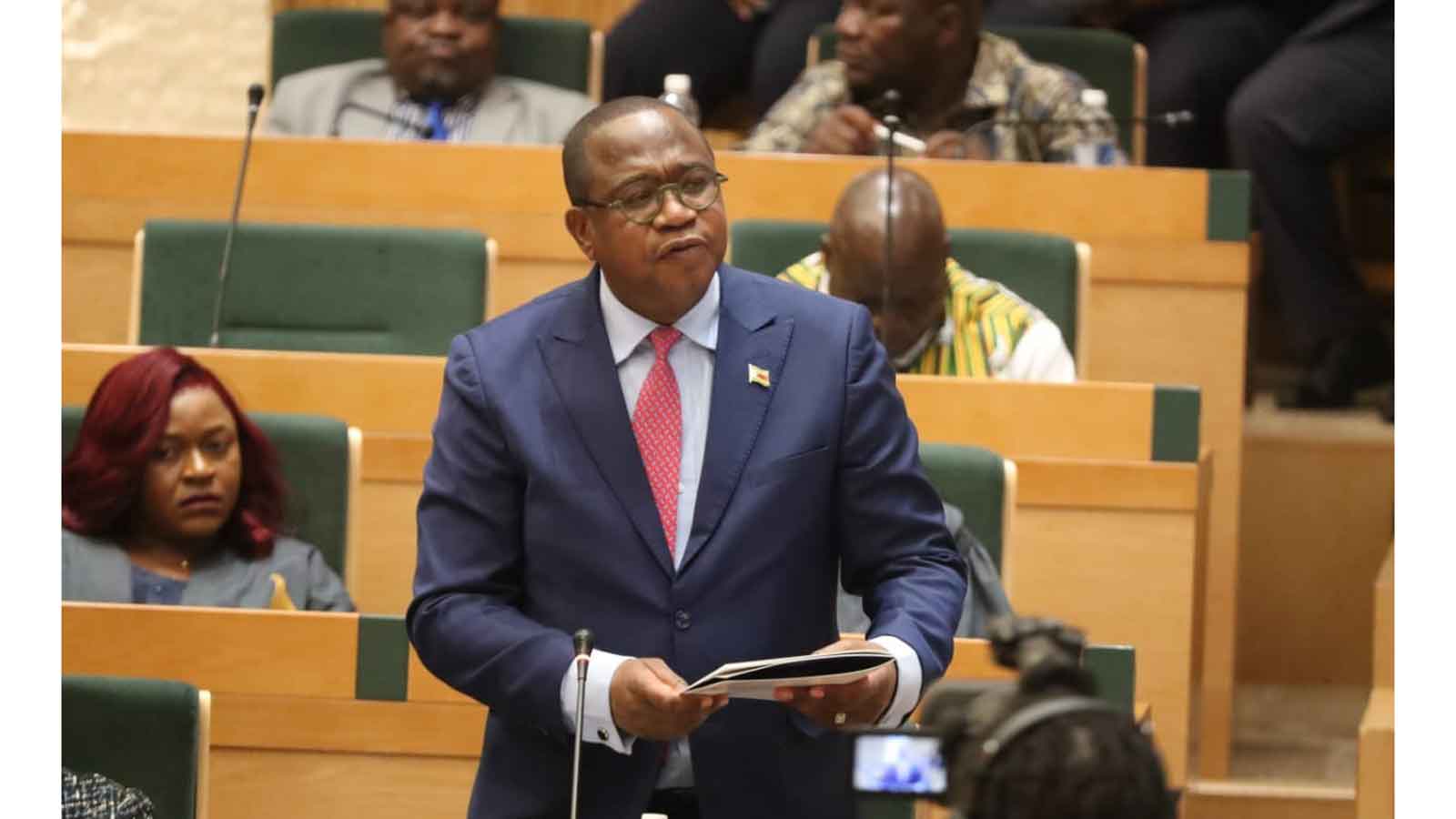
Business Reporter
ZIMBABWE has made significant progress towards achieving Upper-Middle-Income status, with Gross National Income (GNI) per capita growing by 84 percent since 2021, Finance, Economic Development, and Investment Promotion Minister Professor Mthuli Ncube has said.
Presenting the Mid-Term Budget Review Statement at the New Parliament Building in Harare on Thursday, Minister Ncube said since the implementation of the National Development Strategy 1 (NDS1), GNI per capita (person) has increased from about US$1 700 in 2021 to around US$3 200 in 2025.
To reach the World Bank threshold for Upper-Middle-Income status—defined as a per capita income between US$4 636 and US$14 375—the country will need an additional minimum per capita growth of US$1 400 between 2026 and 2030.
GNI per capita is essentially a measure of the average income earned by a country’s citizens in a year, spread out across the entire population.
“While the Government has made commendable progress towards the realisation of Vision 2030, there is a need to accelerate the implementation of strategies and policy reforms in the medium term to ensure the attainment of Vision 2030,” Minister Ncube said.
He emphasised that local currency confidence and price stability provide a firm foundation for upper-middle-income goals.
Minister Ncube said Zimbabwe’s economy posted a strong 6,8 percent growth in the first quarter of 2026, up from 4 percent in the same period last year.
“The economy performed impressively at 6.8 percent during the first quarter of 2026,” said Minister Ncube. “This is much higher compared to about 4 percent during the same period in 2025.
“If we continue on this trajectory, it is possible to meet or surpass the 8,3 percent recorded in 2025 for the full year of 2026.”
Minister Ncube highlighted major economic wins for the country, with annual ZiG inflation hitting 3,2 percent in July 2026 — the lowest level in decades- and foreign currency receipts surging 47.8 percent to US$$10,7 billion in the first half of the year from US$$7,3 billion in the same comparable period last year.
Month-on-month inflation stayed firmly below the 5 percent target despite a global oil price shock.
First quarter current account surplus reached US$606,3 million.