Chronicle Editor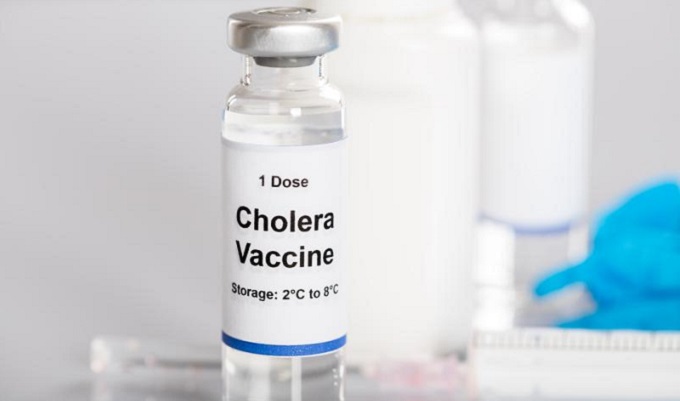
Thandeka Moyo-Ndlovu, [email protected]
MORE than a third of the targeted population has received the Oral Cholera Vaccine (OCV) in Zimbabwe amid reports that cases keep surging despite continued efforts to curb the spread of the water-borne disease.
Latest statistics from the Ministry of Health and Child Care show that on Sunday 130 more suspected cases and two cholera deaths were recorded in Zimbabwe.
An upward trend in week-by-week cholera cases continues being seen from week 50 in 2023 to week three this year with most cholera cases being reported from Harare, Masvingo, Manicaland, and Chitungwiza contributing about 84 percent of the national case load.
The country received International Coordinating Group approval for 2,3 million OCV doses targeting eligible populations aged one year and above in 160 wards within 24 high-risk districts in seven provinces.
These provinces exclude Bulawayo, Matabeleland North, and Matabeleland South.
“As of February 5, 2024 Zimbabwe had 22 632 suspected cholera cases, 2 395 confirmed cases, 21 940 recoveries, 71 confirmed deaths, and 428 suspected deaths.
“As of 3 February 2024, 697 550 people had received the Oral Cholera Vaccine,” reads a statement from the ministry.
In a statement, Unicef expressed concern over the continued increase in cases in Mashonaland Central, Mashonaland West and Mashonaland East Provinces from the beginning of 2024, which are related to the increased mobility of the population during the festive season as well as the rainy season.
However, it said week by week cholera case fatality has been gradually declining from September 2023 to week 3, 2024.
“Children, women of childbearing age, religious decliners, illegal miners, and farmers in rural settings continue being high-risk groups with 52 percent of the cumulative cholera cases being women while 14 percent are children under 5 years of age,” said Unicef.
“Key factors driving cholera transmission include the continued low access to safe water, inappropriate sanitation, and infection, prevention, and control (IPC), health system challenges (staff attrition, capacity, access, and quality issues), unsafe burial practices, declining immunity from last Oral Cholera Vaccine (OCV) campaign in 2019, multiple disease outbreaks (polio, measles), and limited funding among UN agencies and partners to scale up the response.”
In addition, Unicef said sub-regional population movements and large gatherings for economic, cultural, and religious reasons amidst ongoing cholera outbreaks across neighbouring countries (Zambia, Malawi, Mozambique) present continued risks for cross-border transmission had also led to an increase in cases.



 Online Reporter