Online Reporter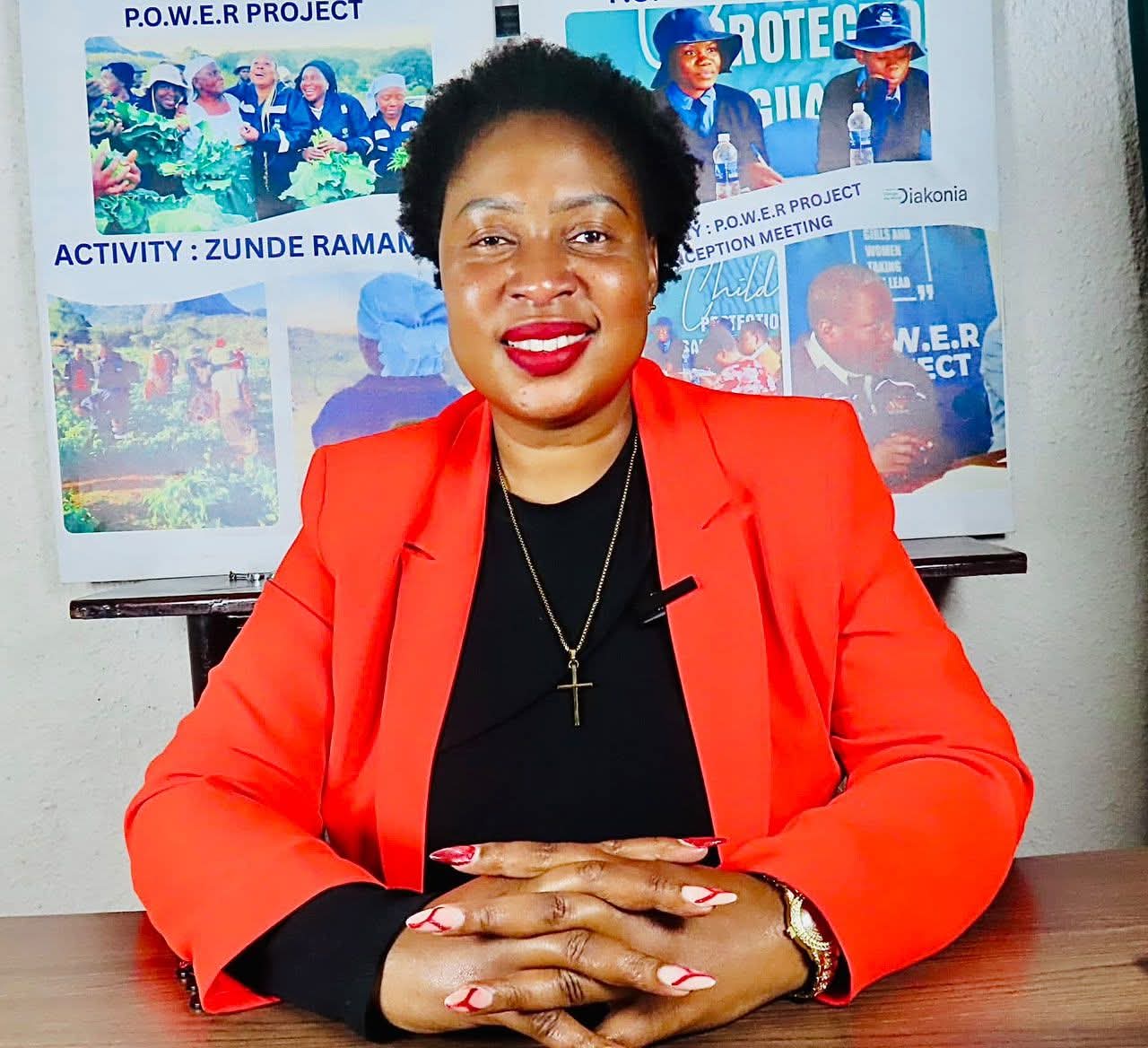
Theseus Mauruki Shambare
ZIMBABWE and Zambia are confronting similar challenges in the fight against child marriage, with poverty, adolescent pregnancy, school dropout and limited access to information continuing to expose girls to early unions.
The issue has gained renewed attention as Zimbabwean girls’ rights organisation Shamwari Yemwanasikana expands its work into Zambia, where it has established its head office in Lusaka.
The organisation’s director, Ms Ekenia Chifamba, said the challenges facing girls in the two neighbouring countries were similar despite differences in their national policy and legal frameworks.
She said child marriage could not be addressed through legislation alone, with communities requiring sustained interventions targeting education, economic opportunities and the protection of girls.
“Although we have different contexts, we are seeing very similar challenges affecting girls, particularly around child marriage, teenage pregnancy and keeping girls in school,” Ms Chifamba said.
Zimbabwe has strengthened measures aimed at protecting children from early marriage, while Government has also maintained policies allowing adolescent mothers to return to school after giving birth.
However, implementation remains a challenge, particularly for girls from poor households and those who lack support to resume their education.
Ms Chifamba said one of the practical challenges confronting adolescent mothers was the lack of childcare, which could undermine efforts to return them to school.
“If a girl is expected to go back to school, the question becomes: who looks after her child while she is in class?” she said.
The challenge highlights the need for interventions that go beyond preventing child marriage to addressing the circumstances that make girls vulnerable to dropping out of school and early pregnancy.
In Zambia, similar challenges have prompted continued efforts by Government and civil society organisations to strengthen child protection, keep girls in school and improve access to sexual and reproductive health information.
Ms Chifamba said regional cooperation could help organisations and policymakers share approaches to addressing problems that cross national boundaries.
The expansion into Zambia comes as Shamwari Yemwanasikana seeks to broaden its work on girls’ rights, including programmes aimed at supporting adolescent mothers, preventing gender-based violence and promoting economic opportunities for young women.
She said empowerment programmes also needed to evolve as the economic environment changed, with girls requiring skills that could enable them to participate in emerging sectors of the economy.
The emphasis on economic empowerment is significant because poverty remains one of the factors that can increase girls’ vulnerability to early marriage and other forms of exploitation.
Ms Chifamba said girls should increasingly be equipped with digital and financial skills alongside traditional livelihood training.
The Zimbabwe-Zambia experience points to a wider regional challenge: while laws and policies provide an important foundation for protecting girls, their effectiveness depends on whether communities have the resources, services and support needed to keep girls in school and out of child marriage.