


 Online Reporter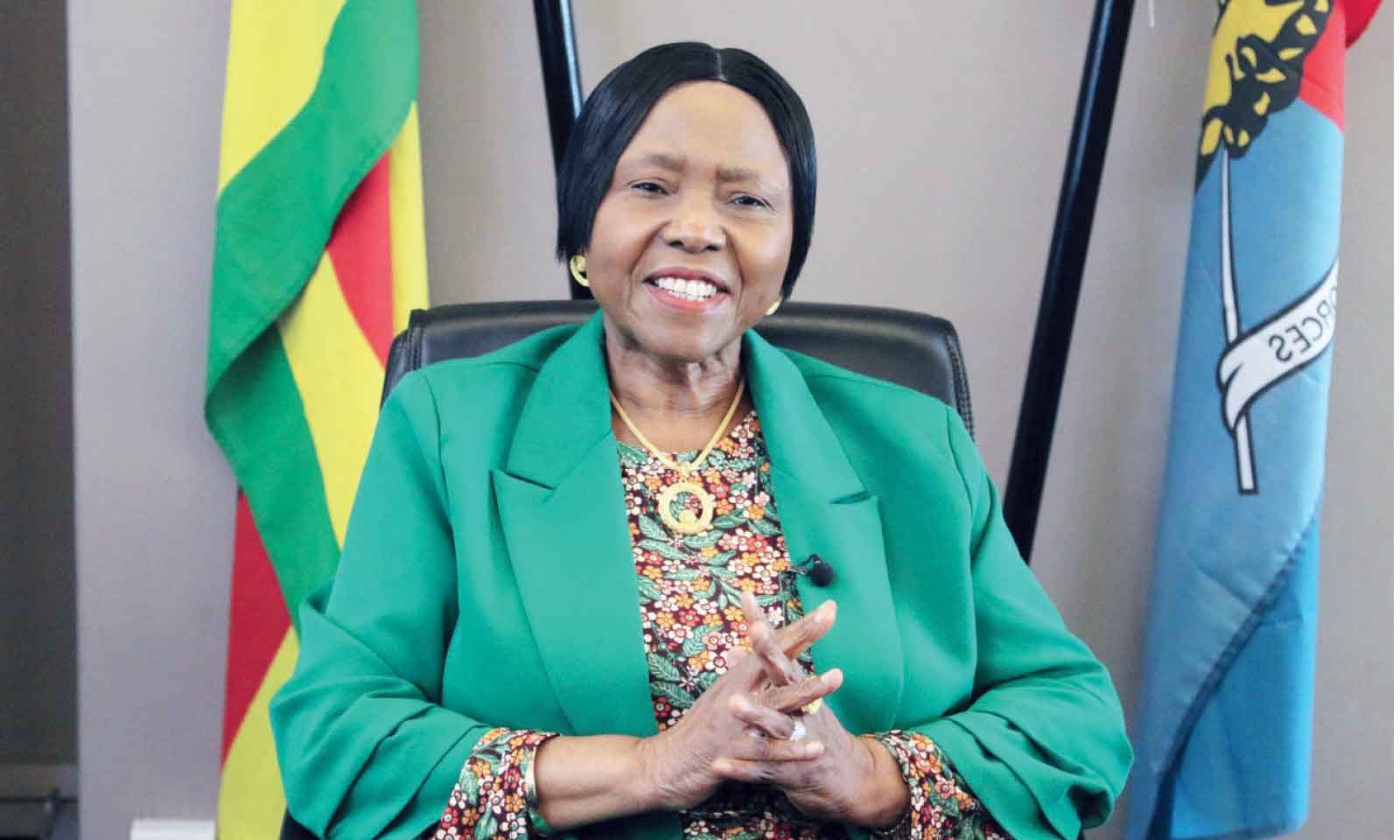
Zimpapers Politics Hub
ZIMBABWEANS should remain united, embrace dialogue and jealously guard the peace in the country, which is the bedrock of national progress, Defence Minister Oppah Muchinguri-Kashiri has said.
In a recent wide-ranging interview ahead of the Unity Day commemorations set for tomorrow, Minister Muchinguri-Kashiri said there is need for collective commitment to Vision 2030, a bold and transformative aspiration to become a modern and prosperous country within the next five years.
“We call upon all Zimbabweans across the political, social and economic spectrum to unite in the spirit of nation-building,” she said.
“Let us set aside division, embrace dialogue and protect the peace that is the bedrock of progress. Only through peace can sustainable development take place.”
Unity, Minister Muchinguri-Kashiri said, is crucial for development across various sectors, including infrastructure, manufacturing and agriculture.
“President Mnangagwa is saying he will not leave any community or individual behind under Vision 2030,” she said.
She highlighted the transformative progress that has been made in recent years, particularly in infrastructure development, food security, distribution of agricultural inputs and provision of boreholes in every village.
Minister Muchinguri-Kashiri said President Mnangagwa’s mantra “Zimbabwe is open for business” is not only for people outside the country, but also for locals who are being invited to take advantage of economic opportunities that are increasingly opening up.
“We are witnessing the establishment of business units that embody this spirit of development,” she said.
In the mining sector, Minister Muchinguri added, the President is encouraging the involvement of every community, including the youth, people with disabilities and women.
“We firmly believe that unity has significantly impacted our progress towards creating an upper middle-income economy by 2030.”
She encouraged the youth to uphold the legacy of unity left by the country’s forebears.
“My message to the young people is that we found this country in the good hands of our leaders, who believed that unity can open up all avenues so that every Zimbabwean is free to participate equally in any sphere, be it the economy, politics or social life.
“Opportunities were opened for every Zimbabwean to go to school. In the economy, we are seeing every Zimbabwean now playing a part in the good story of Zimbabwe, and we are now regarded as the fastest developing economy,” she said.
“Tourism is booming in Zimbabwe because there is unity and peace. What our forefathers left us are very important values that we should safeguard jealously. We believe the future is bright for the young people as long as they are united, working together and following the attributes left by our forefathers, making sure that there is no greediness.”
Since 1987, Zimbabwe has emerged as a symbol of enduring peace and stability as a result of the Unity Accord, which was signed between the country’s major political parties — ZANU and ZAPU.
The late former President Robert Mugabe and the late Vice President Dr Joshua Mqabuko Nkomo led the signing of the historic peace deal on December 22, 1987 to bring peace and unity to the country, especially after the post-independence disturbances in Matabeleland and Midlands provinces.
Meanwhile, Speaker of the National Assembly Advocate Jacob Mudenda said commemorating Unity Day helps us reaffirm the importance of unity and share common aspirations as a nation.
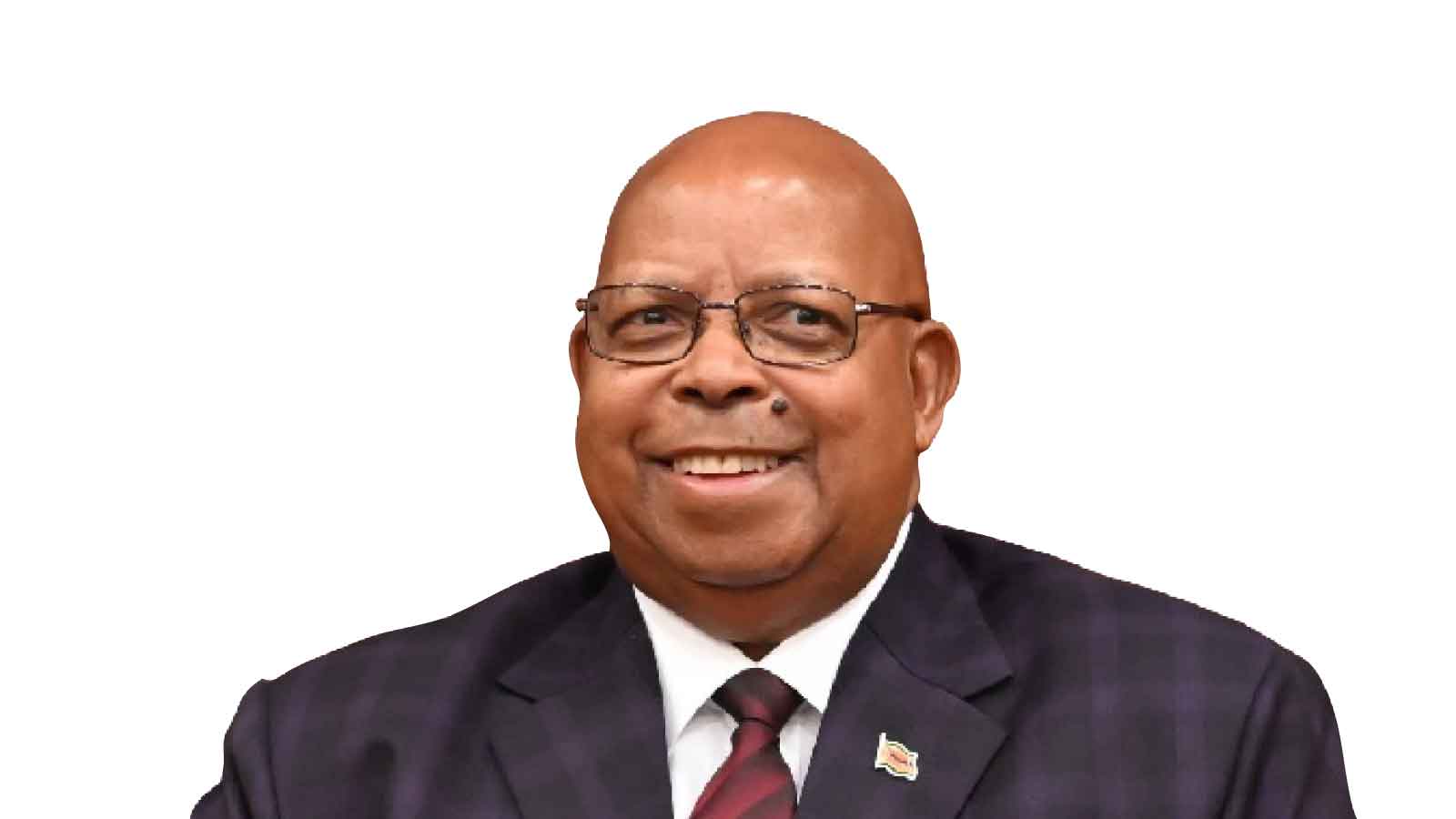
In an interview with our Bulawayo Bureau, Adv Mudenda said the country should support the current efforts towards national healing. Zimbabwe will mark Unity Day tomorrow, a significant national holiday commemorating the 1987 Unity Accord, a historic agreement that ended disturbances that mainly affected Matabeleland and Midlands provinces in the 80s.
The day serves as a solemn reminder of the covenant that brought together the two liberation movements, ZANU and ZAPU.
Signed on December 22, 1987, the accord united the country under ZANU PF.
Thirty-eight years later, that legacy remains central to Zimbabwe’s political and social agenda, especially under the Second Republic led by President Mnangagwa.
“When we celebrate Unity Day, what in fact we are doing is to affirm the criticality of unity in a nation. As His Excellency the President in the Second Republic has always announced, we must espouse national unity, a nation that is not divided, a nation that shares a national perspective,” he said.
He also commended President Mnangagwa’s efforts to promote national healing.
“Coming to the Gukurahundi hearings, I think all credit really goes to President Mnangagwa, who has visibly and practically demonstrated that what we experienced before unity is a chapter that was unfortunate. It is a remarkable effort which we all should support and must support.”
Minister of State for Matabeleland North Provincial Affairs and Devolution Richard Moyo described the Unity Accord as “a sacred covenant for peace, a definitive end to conflict and a bold blueprint for a unified, inclusive Zimbabwe”.
He hailed the Second Republic for upholding the values of the accord through its ambitious development agenda.
“Through the Second Republic’s devolution and decentralisation agenda, we are witnessing unprecedented infrastructure development,” Minister Moyo said, citing new dams, expanded road networks, clinics, schools and rural electrification projects.
He said Lake Gwayi Shangani Dam, long stalled but now under construction, was a powerful symbol of progress.
On national reconciliation, Minister Moyo highlighted ongoing peace-building efforts.
“The National Peace and Reconciliation programmes remain a cornerstone of our national healing. Significant ground has been covered,” he said, describing the consultative processes as essential to securing lasting peace.
The Government also continues to reiterate the importance of national unity and cohesion. Constitutional recognition of all official languages, merit-based appointments and calls for inclusive national dialogue are also being considered as critical pillars for development.



