Chronicle Editor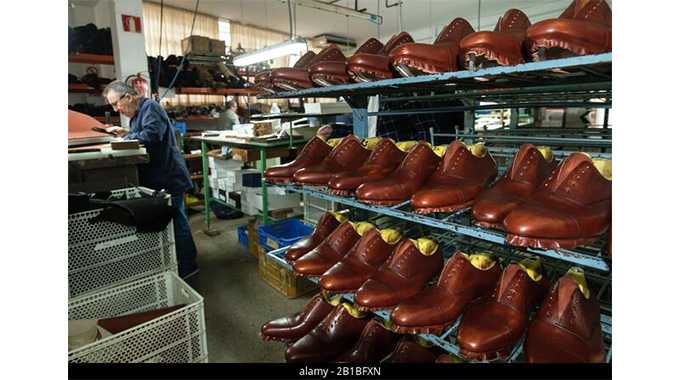
Senior Business Reporter
A shortage in key resources in shoe production is scaling down operations for Lupane leather cluster which is eager to contribute towards Matabeleland North’s Gross Domestic Product, members have said.
The cluster produces an average of 10 shoes per week, but lack of a key component —last — in the production process is hampering production.
A last is a mechanical form shaped like a human foot. It is used by shoemakers in the manufacture and repair of shoes.
It typically comes in pairs and made from various materials, including hardwoods, cast iron, and high-density plastics.
Mr Vuyisiwe Ngwenya, a member of Lupane leather cluster told Business Chronicle during a Lupane Business Expo that they are in great need of various sizes of last.
“It’s a tool that shapes a shoe. Without it, it’s impossible to produce a fine product that competes favourably in the market,” she said.
“Although it’s locally available in Zimbabwe, it’s expensive.
For instance, for a size five shoe for children it costs $10 000, so to acquire for all sizes it’s difficult without adequate funding.”
According to Mrs Ngwenya, they need more than $100 000 to secure various sizes of the component.
“We are planning to make a loan application with the Zimbabwe Women’s Micro Bank and we are in discussions with the Lupane branch.
“We are looking at $100 000,” said Mrs Ngwenya.
The cluster is a recipient of machinery from the Ministry of Industry and Commerce.
Zimbabwe used to be among the top leather producers in the region but over the years, due to a myriad of operational challenges, output has remained subdued.
Estimates indicate that leather shoes production has plummeted to 1,5 million pairs annually from a peak of 17 million in the 1990s after some of the established manufacturing factories closed shop in recent years.
However, the leather sector is geared to reclaim lost ground with a host of interventions being implemented under the Zimbabwe Leather Sector Strategy (2021-2030).
Going forward, the Lupane leather cluster which currently has 10 members plans to aggressively seek markets at schools throughout the district.
“We are in discussions with one organisation that pays school fees for some children to buy school shoes from us.
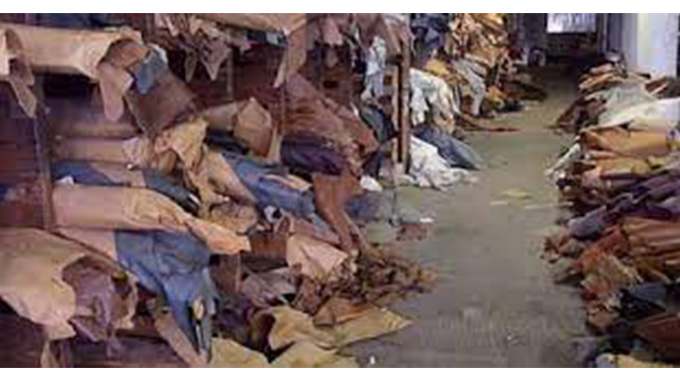
“We buy leather from Bulawayo and the quality is good. On expansion we are eyeing the whole of Lupane district.
For that to happen, we need to have our own building to house the factory, which needs substantial funding.
“However, most SMEs especially in rural areas are struggling to access funding.
We hope that Government will avail funds targeting rural SMEs.
We have the potential of contributing immensely to the country’s Gross Domestic Product of the province.”
The leather sector is regarded as a low-hanging fruit for the Zimbabwean economy given the country’s competitive advantages in livestock and crop production, which provide key raw materials.
— @nqobilebhebhe


 Online Reporter