Online Reporter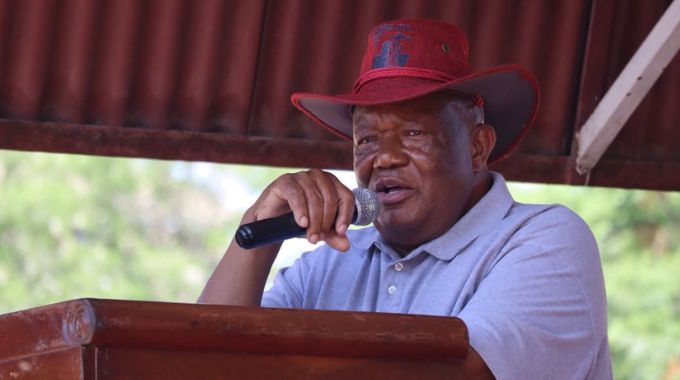
Gibson Mhaka, [email protected]
MEMBERS of opposition political parties, as well as previously politically neutral citizens, are joining Zanu-PF in recognition of development-oriented policies being implemented by President Mnangagwa, the party’s National Political Commissar Cde Munyaradzi Machacha has said.
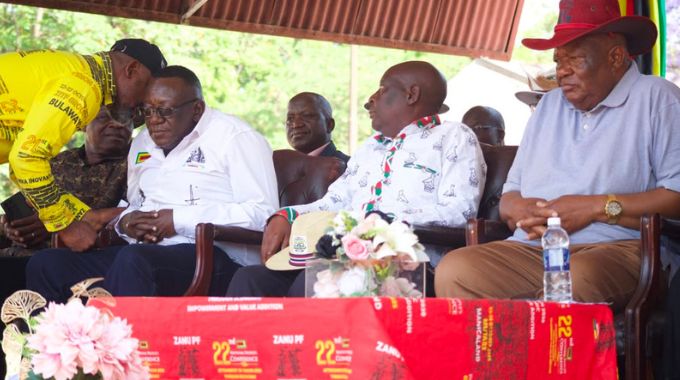
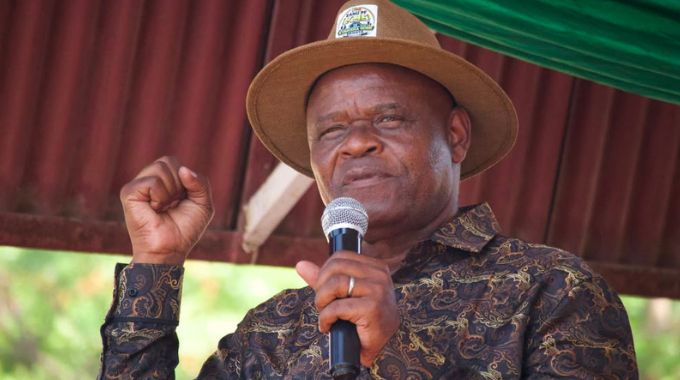
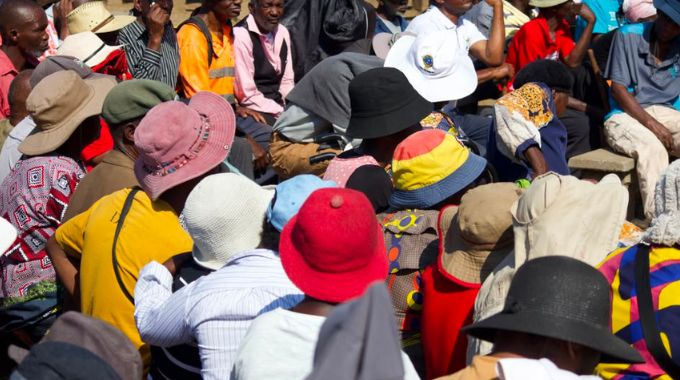
Speaking at a welcome reception for more than 3 000 new members from opposition political parties, including CCC, FreeZim and the Zimbabwe African National Congress (ZANC), as well as churches affiliated with the Organisation of African Instituted Churches (OAIC) Zimbabwe Chapter at Stanley Square in Makokoba, Bulawayo, at the weekend, Cde Machacha said the influx reflected what he described as growing alignment between the party’s development agenda, the objectives of the church and the aspirations of society at large.
“People are joining Zanu-PF from various opposition political parties, while others who previously remained politically neutral are also coming forward to be memberst of the ruling party,” he said.
“They are recognising the development-oriented policies being implemented by President Mnangagwa and the progress being made under the Second Republic,” Cde Machacha said.
“This is a clear indication that our development agenda is resonating with people across different sections of society.
“They are seeing the work being done in areas such as infrastructure, agriculture, education, healthcare and economic development, and they want to be part of the process of building the country towards Vision 2030.”
The event, organised under the party’s Kumusha Home Ekhaya (KHE) programme in partnership with the OAIC Zimbabwe Chapter, saw members from various churches and opposition political parties formally welcomed into Zanu-PF.
Cde Machacha said the churches’ objectives, particularly their emphasis on working with the Government in health, education, agriculture and social services, were consistent with the National
Development Strategy 1 (NDS1), NDS2 and Vision 2030.
“What this tells me is that the church, within its mission, vision and strategic direction, is already moving in the same direction as Zanu-PF,” he said.
“The church’s vision aligns well with NDS1, NDS2 and Vision 2030. They also align very, very well with what Zanu-PF is pursuing and implementing as a revolutionary party.”
Cde Machacha said the Government wants churches to go beyond preaching and become development partners by contributing to the provision of social services and creating economic opportunities.
“This is what the President has been preaching. This is the vision of President Mnangagwa — that churches must be development partners. They must not preach from the pulpit and end there,” he said.
“They must transform the word into action and deliverables by building schools, by building hospitals where they can, by farming and producing food so that we become food self-sufficient, and by making sure they have training colleges for our young people so that they are trained and have job opportunities, whether through self-employment or formal employment.”
Cde Machacha said churches could also complement Government efforts to combat drug and substance abuse and support vulnerable groups, including people living with disabilities.
“You are coming in to complement what the Government is already doing, and we sincerely thank you for this effort,” he said.
Cde Machacha said Zanu-PF was also prepared to assist churches with development projects, including facilitating access to water at church stands while encouraging them to turn idle assets into productive investments.
“We want to see churches becoming investors and development partners, making sure that we turn the assets they already hold into viable business enterprises that contribute to the growth of our economy,” he said.
Cde Machacha said churches with a presence beyond Zimbabwe could also promote what he termed “church diplomacy”, creating opportunities for regional cooperation, markets and sources of supplies for local industries.
“It also creates an opportunity to win friends on the African continent for our country, our President and our Government, so that together we can open new markets for goods manufactured here,” he said.
“Each one of us here has a role to play in building Zimbabwe and building our communities. We cannot look aside and blame the Government while we are doing nothing ourselves,” said Cde Machacha.
“We must be partners with the Government to make sure we build our country.”
Coordinator of the Dzokai Kumusha/Ekhaya programme in the Commissariat Department, Cde Blessing Chebundo, said the KHE initiative was facilitating the movement of opposition members into Zanu-PF.
He said more than 3 000 people had been registered for the Bulawayo event, including former Members of Parliament and councillors from opposition parties.
“KHE is a programme established to facilitate the smooth and friendly passage of people who are moving from opposition parties to join Zanu-PF,” said Cde Chebundo.
He said the programme, which he said began in 2021, had so far registered more than 290 000 people, including former MPs and councillors from opposition parties.
Cde Chebundo attributed the movement to Zanu-PF to what he described as the development trajectory under the Second Republic.
“You will agree with me that since the advent of the Second Republic, we have enjoyed peace — peace that we did not enjoy in the past,” he said.
Cde Chebundo said the programme was also seeking to ensure that no one was left behind in the country’s development programme.
“As the President says, no person and no place shall be left behind. We want to build one Zanu-PF. Our country is just one; it will never be two,” he said.
OAIC Zimbabwe Chapter chairman Bishop Ocean Moyo said the organisation, which brings together 23 churches, wanted to play a greater role in supporting national development.
“This organisation seeks to bring together all churches under one umbrella. As the name implies, this is not a Zimbabwean or national organisation, but an international organisation,” he said.
Bishop Moyo said the churches wanted to support efforts to address drug and substance abuse, poverty and other social challenges while working with the Government on development programmes.
“It is of no use to preach the Word of God without helping to transform people’s lives,” he said.
“We must work together for the development of our country and the wellbeing of our people,” said Bishop Moyo.
Zanu-PF KHE Diaspora Coordinator Cde Pardon Tapfumaneyi said the they were mobilising church members and opposition supporters to join the party.
He said the Bulawayo initiative had brought together members of about 23 churches, as well as people from opposition parties including CCC, FreeZim and Zimbabwe African National Congress (ZANC).
“In total, we mobilised about 3 000 people who have come to join Zanu-PF,” said Cde Tapfumaneyi.
He said the they will continue coordinating similar programmes in other countries, particularly in the United States, where he said another event was being planned.
“With the mantra of ‘no place left behind, no one left behind’, our President has given a very clear indication that, through Kumusha/Ekhaya, we want as many people as possible to come back to the ruling party and participate in the country’s development towards Vision 2030, through NDS2,” he said.
Cde Tapfumaneyi said the initiative willcontinue targeting Zimbabweans who wanted to join Zanu-PF from opposition parties and other organisations.
“We are seeing a coordinated effort from both the diasporans and here in Zimbabwe, and we are pleased with the momentum and the way this programme is being conducted,” he said.
Ends CKD PN