daniel chigunwe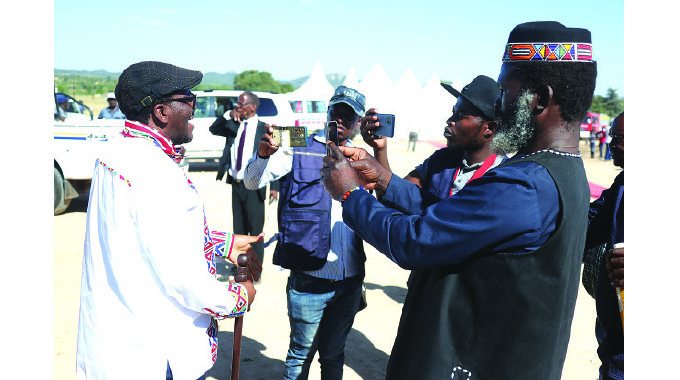
Innocent Mujeri
Herald Correspondent
In a significant display of unity and political maturity, the country’s recent Independence Day celebrations in Murambinda, Manicaland, saw some opposition political party members also attending.
The attendance of National Constitutional Assembly (NCA) leader Lovemore Madhuku, Citizens Coalition for Change (CCC) leader Welshman Ncube, LEAD president Linda Masarira, and opposition legislators such as Charlton Hwende, Sengezo Tshabangu, Cecilia Chimbiri, Richard Tsvangirai, and Happymore Chidziva was not only remarkable, but also a transformative step towards fostering a collaborative political atmosphere in Zimbabwe.
This year’s gathering not only commemorated Zimbabwe’s independence, but also symbolised the growing unity and maturity within its political landscape, suggesting a move away from the confrontational politics that had characterised much of Zimbabwe’s past.
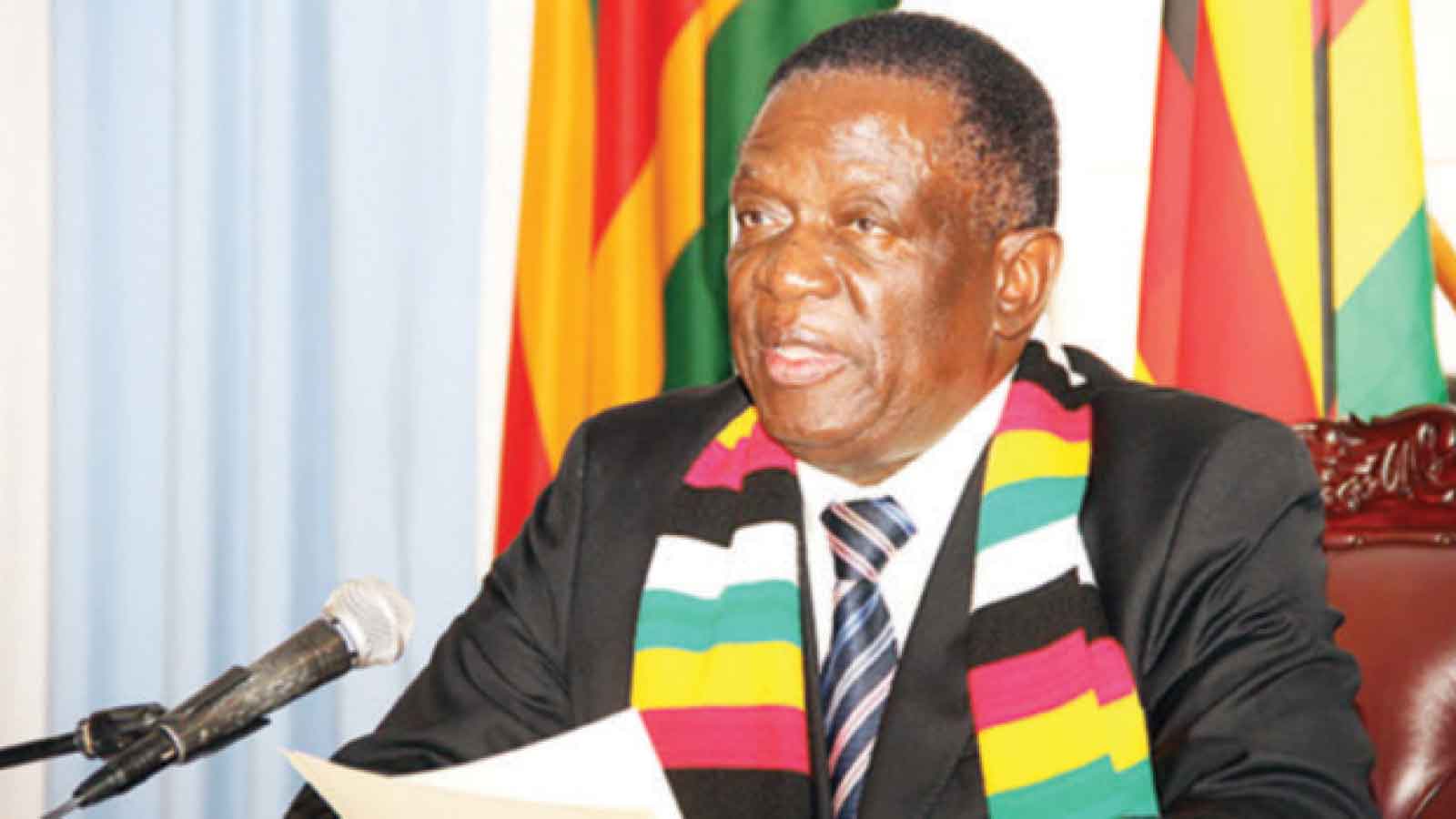
The significant shift in the political demeanour of the opposition can be attributed to the accommodating politics of President Mnangagwa, whose administration has opened the doors for more inclusive participation in national events.
President Mnangagwa’s approach has emphasised dialogue and inclusivity, encouraging opposition figures to participate in the broader national discourse, thereby enhancing the democratic process in Zimbabwe.
The participation of opposition leaders in national celebrations was crucial.
It sent a strong signal about the importance of inclusivity and collective responsibility in national affairs.
Engaging in these events was vital for demonstrating a united front in the face of national and international audiences, showcasing a commitment to a cohesive approach to governance.
Such engagement was not about losing ideological battles but about emphasising the collective welfare and development of the nation.
It could help foster a political culture where different voices are heard and respected and where common ground is sought despite existing differences.
Moreover, the participation of opposition figures at national events such as the Independence Day celebrations serves as a vivid demonstration of unity, which is critical for steering national development.
When leaders from diverse political backgrounds come together, they exemplify the potential of collaborative effort and unity necessary to address major national challenges. These include not only economic recovery but also the enhancement of social cohesion, which is vital for the progress and stability of the nation.
The solidarity shown by these leaders sends a powerful message to the citizenry that above all political differences, the well-being of the country takes precedence.
This unity among political leaders is indispensable as it fosters an environment ripe for transparency and accountability, the fundamental tenets of a robust democracy.
Opposition members attending these events act as guardians of these principles by providing necessary oversight and introducing checks and balances into the governance process. Their involvement ensures that a variety of perspectives are considered in policymaking, thereby enriching the democratic dialogue and decision-making process.
Such inclusive practices help in creating policies that are not only comprehensive but also equitable, reflecting the diverse needs and aspirations of all Zimbabweans.
The positive response to the participation of opposition figures at the Independence Day celebrations highlights a promising shift towards greater involvement and co-operation in Zimbabwe’s political arena.
This enthusiasm should serve as a strong impetus for deeper and more consistent engagement across all facets of national governance.
While attending significant national events is crucial, it is just the beginning.
The true value of this participation will be realised when opposition members also engage actively in legislative and policy-making processes. By doing so, they bring diverse viewpoints to the table, ensuring that a broader spectrum of the population is represented in the decisions that shape their lives.
Active engagement from the opposition not only diversifies the perspectives in policy discussions but also strengthens the overall democratic process in Zimbabwe.
When opposition parties take part in the crafting and deliberation of policies, they contribute to a more balanced and comprehensive development agenda.
This involvement is essential for creating policies that are not only effective but also equitable, addressing the needs and aspirations of all sectors of society.
Furthermore, such participation underscores the commitment of opposition parties to constructive politics, moving beyond mere criticism of the Government to taking a proactive role in national development. As they continue to participate, they help to knit a tighter, more inclusive fabric of democracy that upholds the ideals of transparency, accountability, and collective progress.
As Zimbabwe continues to navigate its complex political terrain, the critical role of the opposition in promoting national unity and fostering development cannot be overstated.
Their sustained participation in national events and active involvement in governance processes are essential for constructing a resilient, inclusive, and prosperous nation.
The inclusion of opposition figures in such activities not only enhances national unity but also exemplifies the collaborative spirit needed for addressing the country’s multifaceted challenges. This ongoing engagement serves as a cornerstone for a robust democracy, where diverse voices contribute to the national dialogue, ensuring that all segments of society are represented and heard.
This year’s Independence Day celebration clearly demonstrated the potential for significant achievements when all political actors collaborate towards shared objectives.
It was a vivid illustration of what can be accomplished when unity transcends political rivalry.
This should serve as a motivating call to action for all political leaders and citizens alike to embrace a new era of political maturity and constructive engagement.
As Zimbabwe stands at this crossroads, the commitment to work together in the spirit of national interest, setting aside differences, will undoubtedly pave the way for a brighter and more stable future.
Thus, the continuous involvement of opposition parties in every aspect of national life is not just beneficial but imperative for the sustained growth and stability of Zimbabwe.


 Online Reporter