

 Online Reporter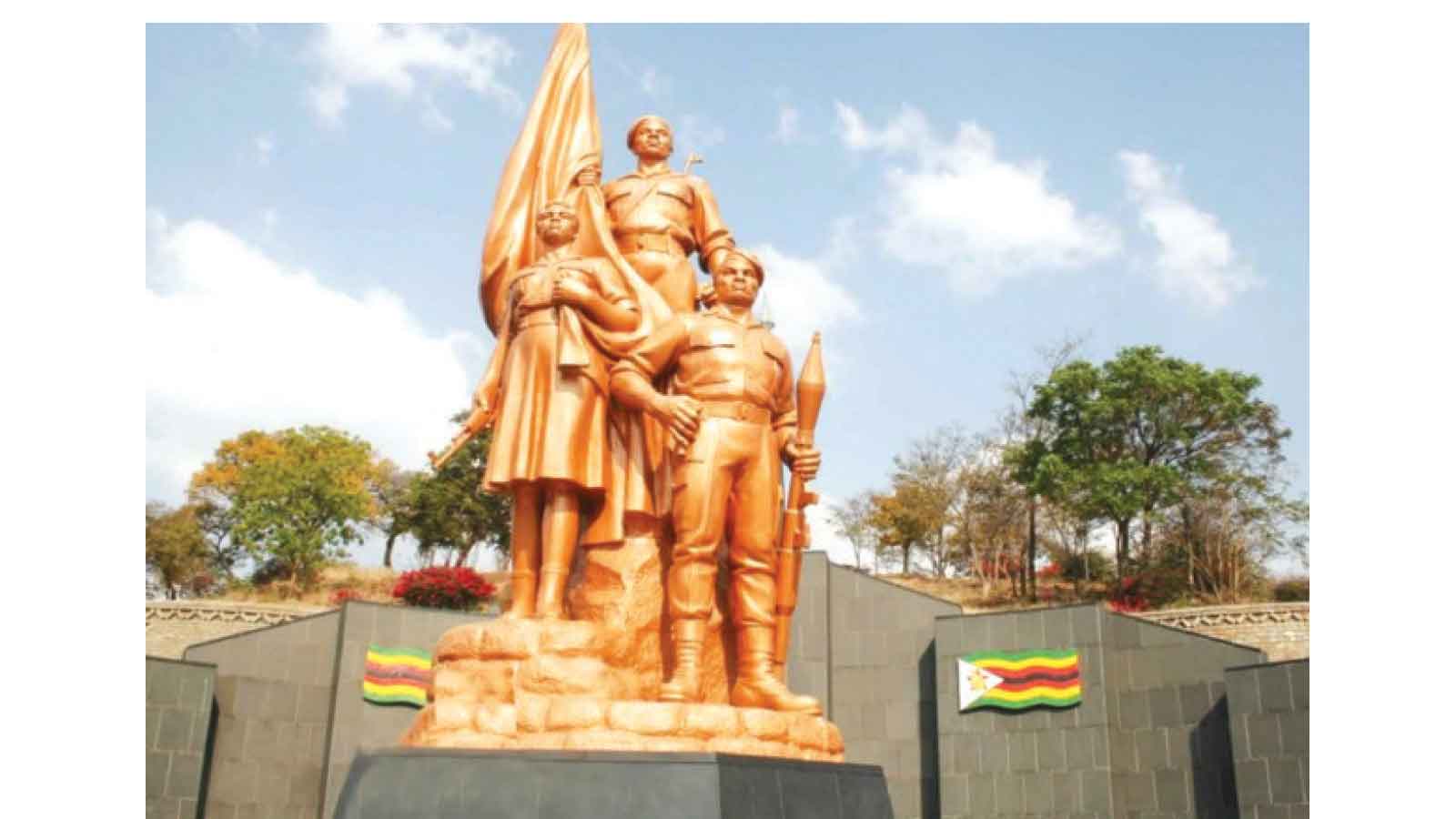
Richard Muponde
Zimpapers Politics Hub
IN 2025, Zimbabwe once again paused in mourning and gratitude as the nation laid to rest several of its bravest — those who, with courage and conviction, helped secure the nation’s freedom and shaped its future.
Among those who died and were accorded the highest honour of National Hero status in 2025 were: Major-General (Rtd) Solomon Siziba, Cde Chen Chimutengwende, Ambassador John Shumba Mvundura, General (Rtd) Cde Jack Mpofu (born Makhethi Ndebele), Cde Kenny Constantine Ridzai Mabuwa (K.C.R. Mabuwa), Cde Luke Mushore, Brigadier-General (Rtd) Victor Mpandasekwa Mzheri, Brigadier-General Shadreck Vezha, Brigadier-General (Rtd) Victor Tapiwa Chashe Rungani, Cde Walter Basopo and Mutumwa Paul Mwazha.
The count also included those posthumously declared national heroes in August 2025: Cde Benjamin Burombo, Brigadier General (Rtd) Lameck Francisco Mutanda, Cde John Mbedzi and Cde Jairos Jiri, all of whom had died much earlier.
The conferment of National Hero status is the highest honour in Zimbabwe and entitles the recipient to be buried at the National Shrine, though some families opted for burial at a place of their choice.
These men and women, born of diverse backgrounds, dedicated their lives to the liberation struggle and to the building of an independent Zimbabwe.
Their sacrifice, often at great personal cost, won the nation the right to self-rule; their post-independence service helped shape national institutions, governance, diplomacy, and development.
The Meaning of Heroism: Legacy of Sacrifice and Service
For those declared heroes, burial at the National Heroes Acre symbolises the nation’s lasting gratitude.
The monument, with its grave-plots, the Tomb of the Unknown Soldier, the Eternal Flame, and memorial walls, stands as a permanent testament to the blood, sweat, and sacrifice of countless men and women whose lives were given for Zimbabwe’s freedom.
In 2025, the triple burial of late heroes underscored how the nation continues to evolve, yet remains anchored in its founding ideals.
During the procession, banners bearing messages in Shona, Ndebele, and other local languages fluttered – a poignant reminder that the struggle touched all corners of the land, and freedom was a shared dream.
Honouring the Fallen — Caring for Those Left Behind
Honouring heroes does not end at a tombstone. The Second Republic, under the stewardship of President Mnangagwa, recognising that many heroes left behind dependants, instituted a legal framework to ensure their welfare.
The National Heroes Act establishes the Heroes’ Dependants Assistance Board, tasked with registering dependants and administering support from the Heroes’ Dependants Assistance Fund.
The law defines “dependant” broadly, including children (adopted or posthumous), widows and widowers, and any person who was maintained by the hero before death.
State assistance under the Fund can include education support, healthcare, and other welfare benefits.
This year, the Government intensified a nationwide awareness and education campaign so that surviving dependants could claim their entitlements.
Many beneficiaries have expressed relief and gratitude; some children are now in boarding school with the support, and widows and widowers are being guided through the registration and application process.
Despite these strides, gaps remain.
As Parliament debates petitions from veteran associations calling for proper exhumation and decent reburial of fallen liberation fighters, including those whose remains lie in foreign countries, the limitations of current legislation are evident.
The Veterans of the Liberation Struggle Act (Chapter 17:12) does not cover reburials or repatriation for those who died during the struggle and could not be vetted while alive.
However, the Cabinet approved a Bill addressing such shortfalls a fortnight ago. The amendments are meant to expand legal protection, and progress is expected as the Government is committed to adequate funding and has shown the necessary political will.
Thus, while many families of declared heroes enjoy the benefits of the Heroes Dependants Fund, thousands of dependants of freedom fighters, especially those who died before vetting, remain in limbo.
The Government in 2025 allocated resources for memorialisation, identification, exhumation, and reburials.
2025 in Reflection: New Heroes, Expanded Recognition
This year also saw a broader, more inclusive application of hero status. For example, on November 22, 2025, the Government announced that Mutumwa Paul Mwazha, a revered 107-year-old religious leader, had been declared a national hero.
This marked a discernible continuation under the Second Republic that heroism is acknowledged not only in political or military spheres but also in spiritual, social, and cultural leadership, reflecting a recognition that the struggle and contribution to national identity extend beyond the battlefield.
That decision reinforced a commitment to inclusivity and broad national unity, aligning with the Government’s vision of a Zimbabwe where all who contribute to the country’s well-being are honoured, remembered, and respected.
The President’s Voice: Unity, Progress, and Never Forgetting
At the 45th commemoration of Heroes Day held on August 11, 2025, at the National Heroes Acre, President Mnangagwa paid glowing tribute to both fallen and living heroes and heroines.
He described them as the “gallant sons and daughters of the soil” whose selfless struggle secured the freedom Zimbabwe enjoys.
He urged all Zimbabweans—youth, women, and men—to let that legacy galvanise national unity, patriotism, hard work, and commitment to national development under the country’s Vision 2030.
At the funeral of Cde Tinaye Elisha Nzirasha Chigudu, the President solemnly declared: “You fought a good fight. You finished the race. Go well son of the soil.” In another burial, that of Cde Mpandasekwa Mzheri, the President urged citizens to draw courage, unity, and discipline from the lives of their heroes.
“Our enduring philosophy, Nyika inovakwa, inotongwa, inonamatigwa nevene vayo/ Ilizwe lakhiwa ngabaninilo . . . is a continuous call to action,” said the President.
These were not mere speeches; they were calls to remember — to transform grief into action, and remembrance into progress.
Challenges and the Road Ahead: From Memory to Responsibility
Yet, even with these advances, 2025 exposed lingering challenges. The issue of reburial and repatriation for liberation war dead, especially for those who died outside Zimbabwe or before vetting, remains unresolved.
As debated in Parliament, the existing laws do not guarantee decent reburial for many veteran fighters.
Families of deceased veterans, many languishing for decades without closure, continue to wait.
The Government has acknowledged the gaps and submitted amendment proposals to the Veterans Act to cover posthumous recognition and reburial.
However, success depends largely on funding and prioritisation.
Moreover, many dependants of heroes remain unaware of their rights. Despite the nationwide campaign by the Heroes Dependants Assistance Board, some widows, widowers, and children have yet to claim the benefits due to them.
In this climate, the task of remembrance extends beyond monuments and ceremonies.
It must involve social justice, ensuring that families of the fallen are not forgotten, that every child born of a hero finds access to education and opportunity, that no widow or widower is left in poverty, and that the promise of the liberation struggle — dignity, equality, and shared prosperity — is fulfilled.
A Call to Honour: Unity, Respect, and Shared Responsibility
As we close 2025, let us, as citizens of Zimbabwe, renew our commitment to the memory of those who paid the ultimate price for our freedom.
Let us honour their lives not only with words at Heroes’ Day or during funerals, but with deeds — by helping widows and orphans access their entitlements; by supporting calls for proper reburial and memorialisation of those still in unmarked graves; by working with discipline, unity, and patriotism towards the ideals that our heroes laid down their lives for.
We must also hold ourselves, and our leaders, accountable to the promise enshrined in laws such as the National Heroes Act.
Let the benefits pledged to dependants become living reality, not just statutory print. Our heroes fought for a Zimbabwe where all citizens could thrive.
As we push forward under Vision 2030, let us build that Zimbabwe together — a land where no one is left behind, where the past is honoured, and where the future is shaped by unity, dignity, and shared prosperity.


I am not surprised that nowhere in this report was Sydney Gata mentioned. Indeed he doesn’t qualify to have been declared a hero.