Chronicle Editor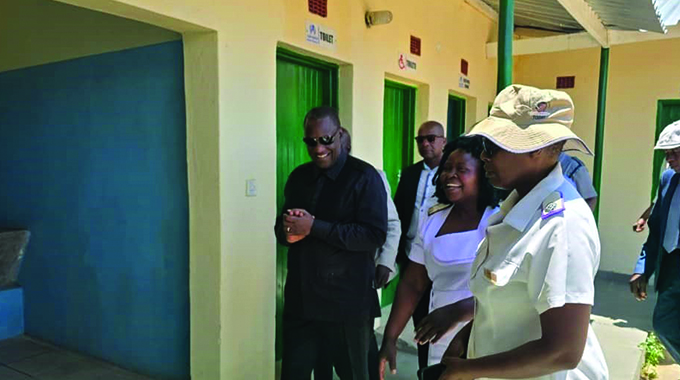
Patrick Chitumba, [email protected]
OVER 1 000 rural institutions in the Midlands Province have been connected to the power grid providing crucial electricity services to community centres, schools, clinics, business centres and homes by the Rural Electrification Fund (REF).
This achievement is a testament to the progress made by President Mnangagwa’s Second Republic in bringing reliable electricity services to the country’s rural regions.
Recognising the importance of modern infrastructure for economic development, the Government is committed to further expanding rural electrification efforts.
Midlands Provincial Affairs and Devolution Minister, Owen Ncube, shared this determination during a power switching-on ceremony held at the Gatawa Clinic in Sogwala area, Lower Gweru, on Friday.

Addressing villagers, health personnel and Government officials, Minister Ncube emphasised the significance of this achievement in improving access to essential services and enhancing the quality of life for rural citizens.
“More than 1 000 rural institutions have so far been connected by REF in the Midlands Province, covering schools, clinics, business centres, villages, farms, and chiefs’ homesteads. Among them are Nyoka Village, Chikutubwe Business Centre, and Fairview Primary School in Gweru District; Chaora Clinic, Chaora Primary School and business centre in Mberengwa; Mapirimira Primary School and Chief Hwenje homestead in Zvishavane; and Zvibomvu Primary School. Additionally,
Wozoli Secondary School, Sibangani Primary and Secondary schools will be switched on next week,” he said.

Nationally, Minister Ncube said the Second Republic’s efforts to electrify rural areas are transforming lives and contributing to Zimbabwe’s vision of becoming an upper middle-income economy by 2030.
“It is my singular honour and privilege to switch on power to Gatawa Clinic here in Sogwala following similar events at Chief Chiwundura’s homestead and Senkwazi Clinic. Today’s occasion is yet another notable milestone achievement by the Second Republic under the visionary and able leadership of President Mnangagwa, as we pursue rural industrialisation, modernisation, and quality health service delivery,” he said.
Minister Ncube said the Gatawa Clinic switch-on ceremony comes as a major relief to both patients and nurses, marking the end of using candles and torches at night when attending to patients. Furthermore, he said, the power will allow for the storage of vital drugs in refrigerators and attract and retain qualified staff due to improved conditions of service.
“I am reliably informed that Gatawa Clinic has two nurses and an Environmental Health Technician to help in the provision of health services, which is in line with the Second Republic’s strategic policy decision to transform and provide quality health for all by 2025, underpinned by equitable development that leaves no one and no place behind,” he said.
Minister Ncube said in the face of Mpox cases recorded in Mberengwa and Harare, clinics play a pivotal role in the early detection of such cases.
“I urge our communities to remain vigilant, as early diagnosis and treatment are key to containing infectious diseases like Mpox, spread through routine close contact,” he said.
Minister Ncube stressed the importance of safeguarding public infrastructure from theft and vandalism to ensure the facilities benefit current and future generations.
“Furthermore, I urge communities to embrace alternative energy technology to relieve growing demand on the national grid,” he said.



 Online Reporter