Chronicle Editor
Lawson Mabhena, [email protected]
IN global politics, the concept of a benevolent benefactor often refers to nations or leaders who provide significant aid and support to other countries, usually to foster goodwill, stability, and influence.
This can take many forms, such as humanitarian aid, economic assistance, or diplomatic support.
The United States’ Marshall Plan after World War II is a classic example. The US provided extensive financial aid to help rebuild European economies, which not only aided recovery but also helped establish strong political and economic ties.
These actions can significantly impact global relations, often enhancing the benefactor’s standing and influence on the international stage. However, they can also be viewed with scepticism, as recipients may question the underlying motives.
There’s no guessing the US’s motives. On paper, America has historically promoted “democracy, free markets, and human rights” as part of its foreign policy, and this ideological stance can drive its decisions to provide aid or intervene in other countries. In reality, these actions are meant to spread influence and align other nations with US interests.
Some countries view this “Big Brother” role as an overreach or interference in their sovereignty. The “Big Brother” role of the US in global politics is a well-known concept. This role often involves the US acting as a protector or leader, offering support and guidance to other nations.
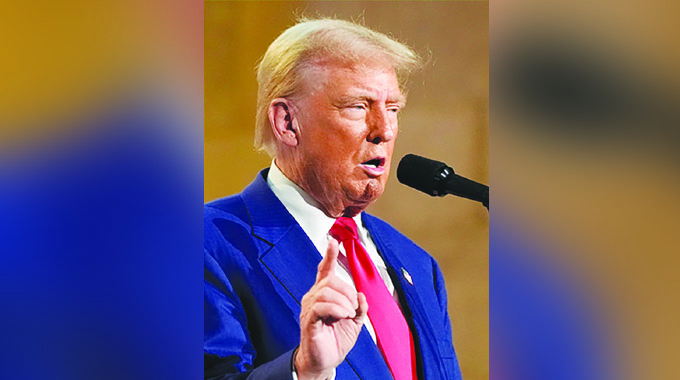
Former president and Republican party presidential nominee, Donald Trump might play a big role in reducing American influence on global affairs.
Trump’s “America First” policy has marked a significant shift in US foreign policy. This approach prioritises American interests, reduces international commitments, and focuses on domestic issues. While the “America First” policy aims to prioritise American interests, its implementation often leads to a more isolated and less influential United States.
Trump’s “America First” policy was a cornerstone of his presidential campaign and administration. Promising to prioritise American interests, the policy aimed to reshape the US’ role on the global stage.
However, critics argue that “America First” has often translated into “America Alone”, isolating the country from its traditional allies and undermining its global influence.
One of the most significant aspects of the “America First” policy was its approach to trade. Trump withdrew the United States from the Trans-Pacific Partnership (TPP) and re-negotiated the North American Free Trade Agreement (NAFTA), resulting in the United States-Mexico-Canada Agreement (USMCA). While these moves were intended to protect American jobs and industries, they also strained relationships with key trading partners and created uncertainty in global markets.
Trump’s foreign policy decisions often alienated long-standing allies. The withdrawal from the Paris Agreement on climate change and the Iran nuclear deal (JCPOA) were seen as steps that disregarded international consensus and cooperation. These actions not only isolated the US but also diminished its leadership role in addressing global challenges.
The “America First” policy also impacted military alliances. Trump’s criticism of Nato and demands for increased defence spending from member countries created tensions within the alliance. While some argue that this pressure led to fairer burden-sharing, others believe it weakened the unity and effectiveness of Nato.
Domestically, the “America First” policy manifested in stricter immigration controls and travel bans, which were criticised for being discriminatory and damaging to America’s image as a welcoming nation. These policies not only affected immigrants and refugees but also strained diplomatic relations with countries targeted by the bans.
On a good note, if Trump wins the forthcoming elections, his policy, which emphasises non-interventionism and prioritises domestic interests over international engagements, could reduce the US’ imperialistic tendencies.
By focusing on internal affairs and reducing foreign interventions, the “America Alone” policy might seem to align with anti-imperialist and anti-colonial principles.
However, critics argue that “America First” is more about economic protectionism and nationalism rather than a genuine move towards anti-imperialism. The policy has been seen as a way to assert American dominance in a different form, focusing on economic and military strength rather than traditional imperialistic expansion. Its implementation and broader implications suggest a more complex and often contradictory reality.
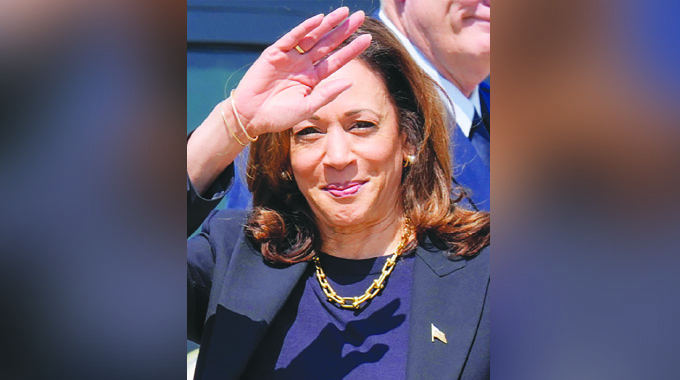
It is not yet clear whether America will continue with her old ways or return to the new path mapped by the controversial Trump. The 2024 presidential race between Vice- President Kamala Harris and Trump is extremely close. Recent polls show a dead heat, with both candidates working hard to gain an edge. Betting odds have also fluctuated, with Trump recently taking a slight lead. If this lead turns into a final result, the global political scene will never be the same again.
As the world becomes increasingly interconnected, the challenge for future US administrations will be to balance national interests with the need for international cooperation and leadership. The shift from multilateralism to unilateralism under Trump’s administration has had and — if he wins the latest elections — will continue to have a lasting impact on America’s global standing.


 Online Reporter