Vusumuzi Dube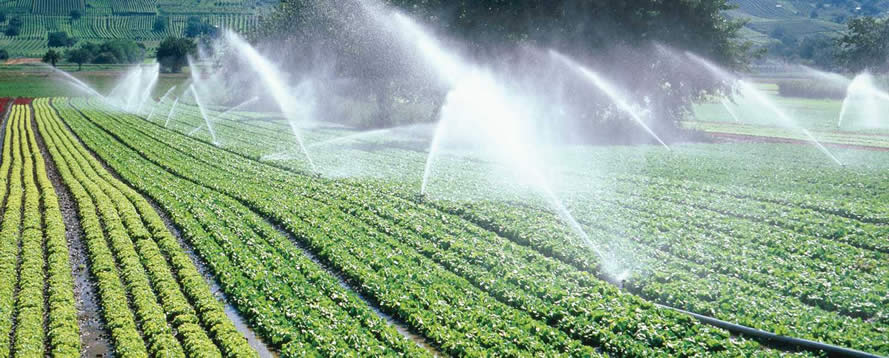
Theseus Shambare, Harare Bureau
AT LEAST 203 000 hectares have been put under irrigation since 2020 through Government initiatives, as the country moves to climate-proof its agriculture sector.
Zimbabwe is moving away from rain-fed agriculture, as a strategy to counter climate fluctuations and boost production.
From 2020, US$2 billion has been invested towards the construction of dams, water harvesting and rehabilitation of irrigation infrastructure.
The country’s area with functional irrigation now represents 58 percent of the target of 350 000 hectares by 2025.
The progress comes as the World Meteorological Organisation (WMO) has predicted that Zimbabwe is likely to experience a drought in the 2023/2024 cropping season, due to the El Niño phenomenon.
According to the WMO report, the country will experience extreme conditions such as heat waves and floods, which may negatively affect the growth of the agriculture sector.
Permanent Secretary in the Ministry of Lands, Agriculture, Fisheries, Water and Rural Development Dr John Basera said Government is alive to the imminent damaging effects of climate change.
“As we target our goal of a climate-proofed and resilient agriculture sector, all eyes are on the ball, which is irrigation.
“By the end of 2022, we had achieved 203 000 hectares under functional irrigation.
“The country is now targeting at least 350 000 hectares under functional irrigation by 2025, up from 150 000 hectares prior to 2020, under the Accelerated Irrigation Rehabilitation and Development Plan,” said Dr Basera.
He said over 100 irrigation projects have been completed to date.
“Flagship programmes such as the Smallholder Irrigation Revitalisation Programme; the Turnkey Irrigation Programme; the National Enhanced Agricultural Productivity Scheme, supported by Maka Resources and CBZ Bank; and the Pedstock Facility, administered through the AFC Land and
Development Bank, are aimed at harnessing the country’s water bodies’ potential to irrigate over two million hectares,” he said.
The massive investments in the agriculture sector, Dr Basera said, have enabled the country to shatter records through increased productivity, which is already positively impacting downstream industries, while creating more job opportunities.
Through the Agricultural and Rural Development Authority (ARDA), more irrigation projects have been achieved.
ARDA chief executive officer Mr Tinotenda Mhiko said the parastatal, which has undergone a robust transformation, has seen increased hectarage under irrigation.
“We are currently mobilising funds to unlock an additional 10 000 hectares of irrigable land, which will translate to an additional 170 000 tonnes of grain annually and an additional 11,3 percent contribution to the National Strategic Grain Reserve requirements.”
As grain reserves are full for domestic consumption, Zimbabwe is now aiming at exporting excess wheat and maize to the region and globally. Going into the 2023/2024 summer cropping season, the Zimbabwe National Water Authority (Zinwa) has assured farmers that the country’s dams have sufficient water to support the established irrigation systems for both current winter cropping activities and the early summer crops.
Zinwa corporate communications and marketing manager Mrs Marjorie Munyonga said, as at August 21 2023, the national dam level average stood at 85,3 percent, which is 19 percent higher than the 66 percent national dam level average expected at this time of the year.
The Second Republic has embarked on the ambitious construction of 12 high-impact dams countrywide, including Lake Gwayi-Shangani and Ziminya Dam in Nkayi, Matabeleland North; and Tuli Manyange Dam in Matabeleland South.
Others include Kunzvi Dam in Mashonaland East; Marovanyati in Manicaland; Muchekeranwa Dam, bordering Manicaland and Mashonaland East provinces; Vungu Dam in the Midlands; and Silverstroom, Dande, Bindura and Semwa dams in Mashonaland Central.
Matabeleland South has benefitted through the rehabilitation of irrigation infrastructure, including the procurement of equipment for Mtshabezi Dam, Silalabuhwa Dam, Tuli River-Sebasa and Makwe Dam, leading to increased land under irrigation.
In Matabeleland North, Government has rehabilitated the Bubi Lupane Irrigation Scheme, which has transformed livelihoods for villagers.


 Online Reporter