Online Reporter
Freeman Razemba, Zimpapers Writer
In a sweeping nationwide crackdown, authorities have arrested and convicted 31 789 suspects for drug and substance abuse, handing down sentences of up to 15 years in prison, while publicly naming and shaming offenders.
The Government has also destroyed 665 drug dens and is converting 67 facilities into rehabilitation and skills development centres, as part of a major offensive against an epidemic ravaging communities.
The alarming rise in drug abuse has become a public health emergency, with 60 percent of patients in mental health institutions battling drug-related disorders.
The scourge has fuelled violent crimes — robberies, murders, gender-based violence, and reckless driving — while tearing families apart.
Yesterday, a drugs and substances abuse dialogue aimed at addressing the causes and coming up with solutions in the country was held in Harare, under the theme: “From Addiction to Action: Addressing the causes and building solutions for drug abuse in Zimbabwe.”
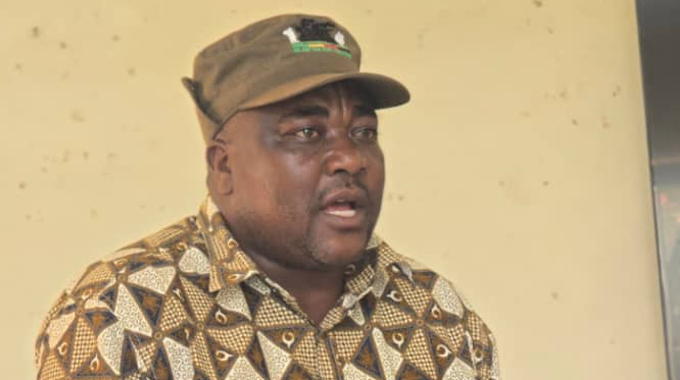
The event was attended by Local Government and Public Works Minister Daniel Garwe who was representing Defence Minister Oppah Muchinguri-Kashiri, the chairperson of the National Committee on Drug and Substance Abuse (DSA), Information, Publicity and Broadcasting Services Minister Dr Jenfan Muswere, Public Service, Labour and Social Welfare Minister Edgar Moyo, Mashonaland West Provincial Affairs and Devolution Minister Marian Chombo, Public Health Advisor to the President and Cabinet, Dr Agnes Mahomva, Deputy Chief Secretary to the President and Cabinet and NECF Steering Committee Co-Chairperson, Mr Willard Manungo, and members of the National Committee on Drug and Substance Abuse.
In her speech, Minister Muchinguri-Kashiri said drug and substance abuse (DSA) was becoming a public health, security, economic, and social stability concern.
“Globally, the number of drug and substance abuse victims reached 316 million in the year 2024. An increase from the estimated 246 million people in 2023. Some scholars predict that if the menace is unabated, it will increase by 40 percent on the African continent by the year 2030.
Coming home, approximately 60 percent of the patients admitted to mental health institutions suffer from drug use-related disorders, which is a clear indication that Zimbabwe is not spared by the menace.
“The Second Republic under the astute and sound leadership of His Excellency Dr ED Mnangagwa is alive to the growing concern over drug and substance abuse.
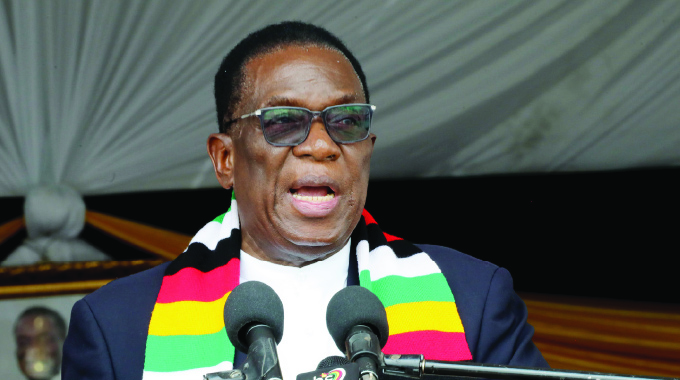
It is in this regard that within the broader NDS1, there is a focus on an integrated public health approach that emphasises the health and well-being of Zimbabweans. In the year 2023, His Excellency the President elevated the Inter-Ministerial Committee on Drug and Substance Abuse to a Multi-Sectoral National Committee.
Under the pragmatic leadership of our President, Zimbabwe is among the few countries to launch a Drug and Substance Abuse Multi-Sectoral Action Plan in accordance with the demands of Sustainable Development Goal 3.5, compelling Governments to strengthen prevention and treatment of drug and substance abuse in the context of sustainable development,” she said.
The President, she added, went further to mobilise US$3,1 million to augment funding from the central Government to support the holistic implementation of the Multi-Sectoral Action Plan 2024 to 2030.
Minister Muchinguri-Kashiri commended the National Economic Consultative Forum (NECF) for holding the dialogue, saying it has brought them together in their varied professions.
“As we gather today, may we reflect on the gravity and impact of drug and substance abuse on our societies.
Our youth, who are the current and future drivers of our economy, the engines of innovation, economic transformation, and national development, are being destroyed by drug and substance abuse.
Regrettably, our young people are losing healthy years of their lives as a result of drug and substance abuse addiction illnesses.
“Drug and substance abuse is tearing apart the family fabric unit. The nexus between drug and substance abuse and violent crimes, including robberies, murder, hooliganism, gender based violence, rape, and negligent driving, cannot be overstated.
Drug use burdens and disrupts health, economic, and justice systems.
The illicit economy generates super profits, which can undermine the rule of law and state security. Due to the multi-currency regime in which the US dollar is dominant and widely available, Zimbabwe is further exposed to this devilish economy.
The traffickers are pumping drugs into our communities, even in our rural areas, in pursuit of the US dollar.
“Being that case, we are all not spared; in our individual capacities, families, churches, learning institutions, and the corporate world. Our dialogue today is therefore a clarion call to action. An appeal for evidence-based, multi-sectoral, and co-ordinated responses as articulated by the Multi-Sectoral Action Plan,” she said.
She said the success of the plan is premised on partnerships, co-operation, and concerted efforts by all stakeholders.
Minister Muchinguri-Kashiri encourage all of them to commit to the strategic responses provided by the action plan as explained by the seven pillars, which are: Supply Reduction Pillar, Demand Reduction Pillar, Harm Reduction, Treatment, and Rehabilitation Pillar; Resource Mobilisation and Economic Strengthening Pillar; Community Reintegration Pillar, Legal and Policy Pillar and the Media and Communications Pillar.
“The supply reduction pillar seeks to reduce the supply of illicit drugs and substances through proactive law enforcement and effective multi-sectoral cooperation and responses to drug-related criminal activities.
Anti-drug surveillance systems are being strengthened at our ports of entry and throughout the country as part of our supply reduction efforts.
The CID Drugs and Narcotics Unit was decentralised to all 10 provinces of Zimbabwe to curb in-country trafficking of drugs.
“We have enhanced international cooperation through Interpol and the United Nations Office on Drugs and Crime (UNODC). Over 31 789 suspects were arrested and convicted to sentences of up to 15 years.
The convicted are being named and shamed without fear or favour. A total of 665 bases were destroyed across the provinces during the period under review.
Disruption of supply networks within our communities is critical to the pillar, and it necessitates greater collaboration among all stakeholders,” Minister Muchinguri-Kashiri said.
She said in their collective efforts, their mission to achieve a drug-free society by 2030 is within reach.