Online Reporter
Rutendo Nyeve in Victoria Falls
OVER US$200 million was paid out in healthcare claims last year, prompting the Association of Health Funders of Zimbabwe (AHFoZ) to call on medical aid societies to shift their focus from treating illnesses to promoting wellness among their members.
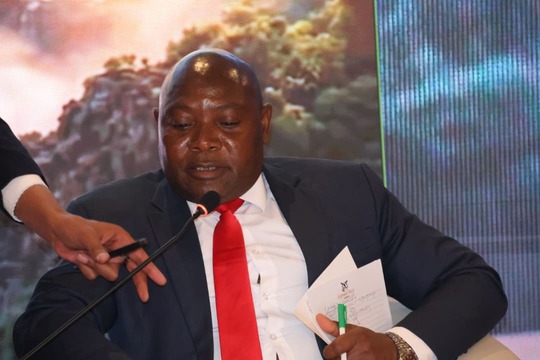
The call was made by AHFoZ Chief Executive Officer, Ms Shylet Sanyanga, during her keynote address at the recently held 2025 Annual All Stakeholders Conference on Health in Victoria Falls.
Ms Sanyanga emphasised that medical aid societies are in the business of health, not illness. She urged them to proactively incentivise members to maintain good health through lifestyle and disease management programmes, rather than simply paying for treatment once members fall ill.
“The claiming pattern shows that a significant percentage is spent only on sick members, whilst those who are well are ignored until they fall sick,” she said.
Ms Sanyanga also expressed concern over the low penetration of medical aid coverage in Zimbabwe, attributing it to the shrinking formal sector and the reluctance of individuals who can afford coverage but choose not to enrol.
“Trying to join medical aid after 65 is difficult and expensive. The payments required to catch up with contributions later in life are usually unaffordable. It is therefore advised that people join medical aid early in life, ideally before the age of 60,” she said.
Ms Sanyanga lamented the tendency of many people to prioritise funeral cover over health insurance.
“This culture needs to change. People should value the importance of enjoying good health before their funeral,” she said.
Another major concern raised was the rise of bogus health practitioners. Ms Sanyanga revealed that AHFoZ has received reports of unqualified individuals operating in both public and private institutions, along with allegations of fraudulent practices by some service providers.
“We are also concerned about media reports of bogus doctors arrested at some public institutions, as well as reports of the selling of healthcare diplomas and degrees. As AHFoZ, we have an accreditation process to weed out bogus providers. We need to work together on this challenge, which threatens our healthcare sector,” she said.
Despite these challenges, Ms Sanyanga praised the quality of Zimbabwe’s healthcare workforce.
“Despite the challenges affecting the health sector, Zimbabwe still boasts top-notch healthcare personnel qualified enough to work anywhere in the world,” she said.
Ms Sanyanga commended the Government and training institutions for their role in producing highly skilled professionals and acknowledged those who have returned to Zimbabwe after specialising abroad.
She further called for collaboration among all stakeholders to build a sustainable healthcare system.
Ms Sanyanga urged the Ministry of Child Care to lead nationwide wellness campaigns and reinstate advisory committee meetings to improve communication and policy alignment.
“Many challenges can be addressed through collaboration. We therefore extend an invitation to all stakeholders to feel free to collaborate with AHFoZ,” she said.
The conference was held under the theme: “Promoting Innovation to Achieve an Equitable and Sustainable Healthcare System.”