malvernmugadzikwa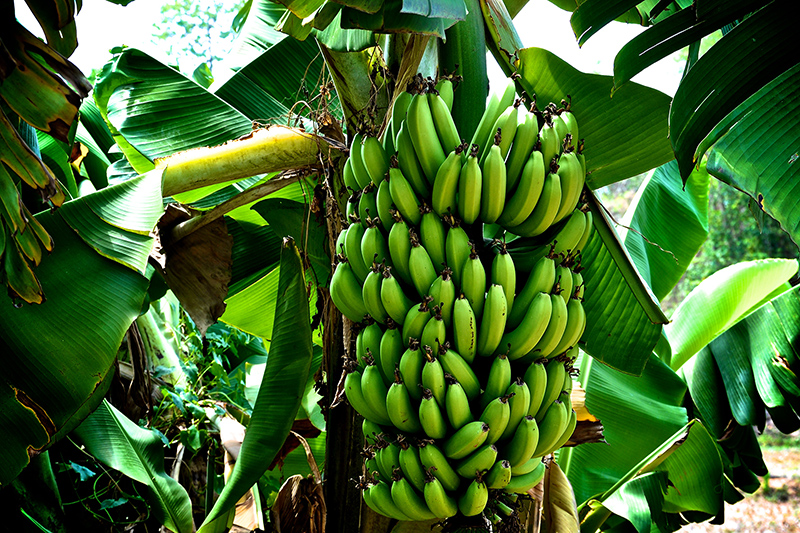
Trade Focus
Allan Majuru
Agriculture remains a vital cog in Zimbabwe’s economy, particularly for rural communities.
This explains why the Second Republic prioritises the agriculture sector to drive economic development and improve livelihoods.
On many occasions, President Mnangagwa has underscored the pivotal role played by agriculture in fostering economic growth and improving livelihoods.
Government initiatives like the climate-proofed Pfumvudza/Intwasa scheme, which promotes broad-based economic empowerment, have boosted agricultural productivity and ensured no one is being left behind.
Integrating modern agricultural techniques with traditional knowledge has helped increase resilience against climate change, ensuring sustainable farming practices. Efforts to improve infrastructure, such as the ongoing construction of dams and rehabilitation of roads, further support the agriculture sector by facilitating easier market access.
With renewed focus, the sector has been transformed into a key driver in unlocking economic opportunities, including access to export markets by rural communities, who constitute most of Zimbabwe’s population. What is important going forward is focusing on high-value crops such as bananas that do well on Zimbabwe’s soils.
Bananas are among the most widely consumed fruits globally, making their export a significant aspect of international trade.
The main reason for increased banana consumption is the fruit’s nutritious benefits like guaranteeing a healthy heart and blood pressure.
With its favourable climate and rich soils, Zimbabwe is well-positioned to capitalise on this demand and increase its exports.
Global market demand
According to Trade Map, the market for bananas grew from US$16,2 billion in 2016 to US$16,9 billion in 2023.
The major importers of the fruit include the United States (US$3,15 billion), Germany (US$1,16 billion), China (US$1,08 billion), Japan (US$961 million) and the Netherlands (US$911 million).
Varieties
The global banana export industry thrives on the demand for varieties.
Zimbabwe’s farmers can consider focusing on the popular banana varieties that are in high demand in the global market, such as Cavendish, Gros Michel, Lady Finger, Williams and plantains.
Cavendish is the most widely traded and consumed banana variety worldwide due to its consistent quality and longer shelf life.
It has a firm texture and a creamy, sweet taste, and is suitable for various uses, including fresh consumption, baking and processing into banana-based products.
This type is grown in several countries, including Ecuador, the Philippines, Costa Rica and Honduras.
The Gros Michel variety, even though it is susceptible to the Panama disease, is still in demand due to its sweet taste and creamy texture.
Also, Lady Finger bananas are popular in Asia and are gaining traction in Western markets. Overall, most varieties cater for specific consumer demands and regional culinary traditions.
Understanding the range of banana exports and their unique characteristics helps meet the global demand for the fruit and supports the economies of the exporting countries. By focusing on these varieties, Zimbabwean farmers can tap into the global market demand and increase their export potential.
However, it is essential to consider factors like climate, soil and disease resistance when selecting varieties for cultivation.
To increase productivity and competitiveness, local farmers must address challenges like disease management, irrigation and logistics.
Market behaviour
The market for bananas is complex in nature and farmers are encouraged to invest their time in understanding market dynamics so that they get the best out of it.
For a start, buyers are price-sensitive. Prices fluctuate based on supply and demand. Although banana demand is relatively consistent, supply varies by season, affecting prices in general.
Farmers must take advantage of their window periods to maximise profits.
Consumer preferences are changing.
Recently, there has been increased demand for organically certified, fair trade and sustainable products.
The market has also witnessed an increase in demand for value-added products like banana puree, juice and chips.
Most buyers prefer to deal with markets which their countries have trade agreements with.
Zimbabwe can leverage its proximity to South Africa, a significant market for bananas, and explore opportunities in the Southern African Development Community (SADC) region.
Zimbabwe can also increase its banana exports to the European Union (EU), taking advantage of the EU’s duty-free and quota-free access, under the EU-SADC Economic Partnership Agreement.
The main competitors for bananas in the global arena include Costa Rica, the Philippines and Ecuador.
They are the price setters due to the volumes they supply to the market.
Some market requirements
To be able to supply the international market, farmers are advised to observe specific requirements such as quality, packaging and certification.
In terms of quality, the product should be bright yellow in colour, and have a firm texture and no bruises or blemishes.
Attaining global certifications and standards will create easy access to markets, and farmers are encouraged to consider Global GAP, Fairtrade and Organic certifications.
Packaging also influences buyer decisions.
It must be attractive, functional, durable and food grade to maintain freshness.
Buyers also insist that labelling must be clear, with product information, country of origin and handling instructions.
Products must also comply with food safety regulations, like the Hazard Analysis and Critical Control Point, as well as the International Organisation for Standardisation.
Allan Majuru is the chief executive officer of ZimTrade.



 Online Reporter