Moffat Mungazi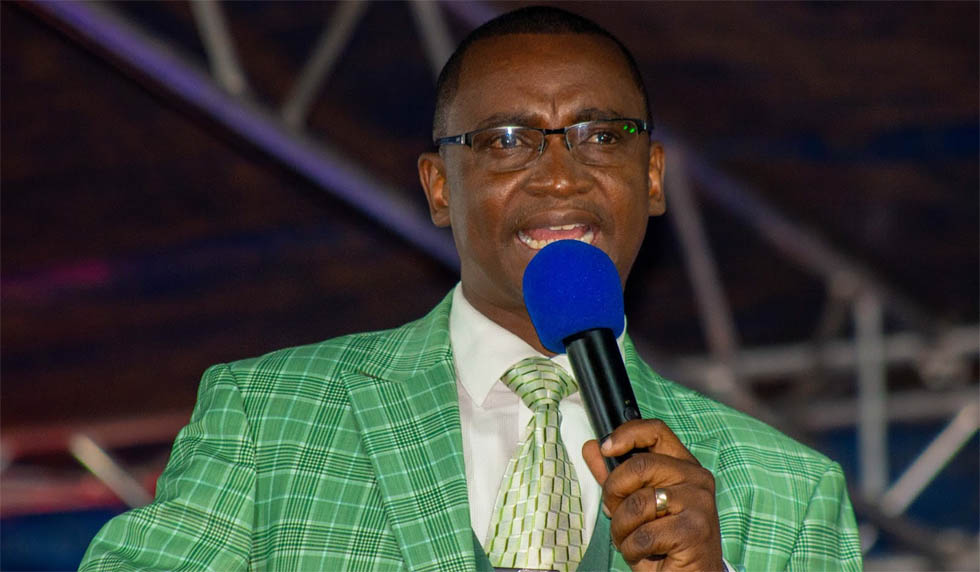
Samuel Kadungure
News Editor
EASTER is a profoundly significant holiday in the Christian faith, commemorating the death and resurrection of Jesus Christ.
It signifies hope, renewal, and salvation for Christians.
The death and resurrection of Jesus Christ are central to Christian theology, representing a pivotal moment in human history.
The worth of Easter to Christians lies in its representation of Jesus’ sacrifice and triumph over death.
According to Christian beliefs, Jesus’ death on the cross was a redemptive act that atoned for humanity’s sins, offering salvation and eternal life to those who believe in Him.
His resurrection on Easter Sunday demonstrates His power over death and sin, providing a promise of new life and spiritual rebirth for Christians.
The impact of Christ’s death and resurrection extends beyond spiritual realms, influencing art, literature, music, and culture throughout history.
Easter serves as a reminder of the enduring power of faith, hope, and love, continuing to inspire and transform lives around the world.
As a result, churches in Manicaland, and countrywide have lined up events that will be filled with the glory as Christians from all walks of life congregate and have a deeper reflection of the final week of Jesus Christ’s mission before offering His body and blood on the cross at Golgotha (Matthew 26-27; Mark 14-16).
He was crucified and buried for three days, and rose from the dead on Easter Sunday.
Apostolic Faith Mission in Zimbabwe president, Reverend Amon Madawo said their members will congregate at their Chatsworth Shrine in Gutu from Thursday to Sunday, for the Young People Union (YPU) Expansion Conference, giving them an opportunity to broaden their understanding about the history of the Easter concept, the mystery of the Lord’s supper and Biblical relevance of partaking of the Holy Communion.
“Through the fall, mankind became a slave to sin and Satan. Sin and Satan gained mastery over the human race. The power of the cross breaks the dominion of sin and Satan over our lives. In Adam, we are slaves to sin.
In Adam, we came under the dominion of Satan.
“In the Second Adam, Christ, we are set free from sin. In the Second Adam, Christ, we are set free from Satan’s dominion over our lives. If we live out of our identity in Adam, we live under the control of sin and Satan. If we live out of our identity in Christ, we live a life free from the dominion of sin and Satan.
To understand the power of the cross, we must understand “identification”.
Hebrews 2:10 –14 states that Jesus identified with us in His birth, so that we could be identified with Him in His death. Jesus became like unto us, so that He could represent us on the cross.
In the mind of God, we were in Him, on the cross.
“What happened to Christ on the cross, happened to you and me, because we were in Him. The cross gives us power over sin and Satan. Christ broke sin’s power over our lives (Romans 6:6 –13),” said Reverend Madawo.
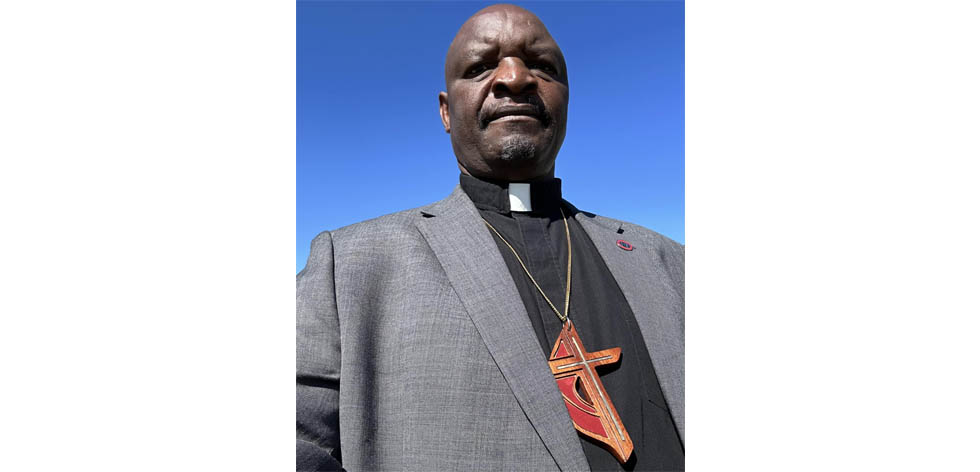
Reverend Lloyd Nyarota of the United Methodist Church (UMC) in Zimbabwe said the word Easter was substituted for the word “Pesach” which is translated as Passover.
Passover foreshadowed the death of Jesus.
The Bible records that Christ died on the cross, which begs the question — why is it called “Good” Friday?
“It is called Good Friday because of its significance to Christians. Jesus’ death on the cross was the ultimate sacrifice for humanity’s sins. He was buried for three days and resurrected on Easter Sunday. Therefore, Easter commemorates the resurrection of Jesus Christ.
“During the holy week which stretches from Palm Sunday (Matthew 21:1-11) to Good Friday (John 19: 17-30), we read that on a Thursday, according to Luke 22:19, Jesus commanded his disciples to commemorate his Passover death, as the sign of the new covenant. Then based on the wording in 1 Peter 3:19, some traditions argue that Jesus spent the weekend between His death and resurrection in hell preaching to the souls there, giving them a chance at the forgiveness available through sacrifice not previously available before His death. Easter celebrates the defeat of death and the hope of salvation.
“Therefore, it is important to celebrate Easter because it helps us as Christians to — remember the reality of sin, depth of our sin and the serious consequences for sin and always remember the grace and mercy of God,” he said.
As a build up to Easter, various churches across Manicaland commemorated Palm Sunday, a significant event on the Christian calendar that marks the triumphal entry of Jesus Christ into Jerusalem.
Falling on the last Sunday before Easter, Palm Sunday heralds the beginning of the holy week, the most sacred period in Christianity, which culminates in Good Friday and Easter Sunday.
Churches held long processions, with believers waving palm branches and crosses, singing victory songs and retracing the Biblical moments when crowds welcomed Jesus by laying palm leaves along his path as he rode into Jerusalem on a colt.
The palm branches, which must be blessed by a cleric before the rituals begin, symbolise peace and victory.
For many Christians, the day is, not only symbolic, but also deeply spiritual.
It served as a moment to reflect, confess sins, and rebuild spiritual bonds with God.
As part of the celebrations, church leaders used the occasion to educate their congregations on the meaning of holy week, and what is expected of believers in this season of faith and sacrifice.
Mr Richard Takainga, of the Roman Catholic Church, had this to say: “Palm Sunday is the first day of the holy week leading up to the Jewish holiday of Passover. Jesus rode on a donkey through the town of Jerusalem on His way to conquer death and bring us life through His sacrifice on the cross,” he said, adding that the event symbolises Jesus’ humility and servant-hood, as he rode a donkey, an animal representing peace, rather than a horse, which symbolised war.
The connection between Palm Sunday and Easter lies in the events that unfold during the holy week.
Mrs Elita Manjokoto said: “Jesus’ fulfilment of the Old Testament scriptures on Palm Sunday is recorded in all four New Testament. The day sets the stage for the Easter narrative, showcasing Jesus’ sacrifice and ultimate triumph over death,” she said.
Mr Samuel Zvomoyo said resurrection validates Christ’s atoning sacrifice on the cross, while Easter demonstrates God’s victory over the ultimate consequence of sin — death itself.
“The resurrection reveals that the power of sin has been broken at its deepest level. According to Apostle Paul — “If Christ has not been raised, your faith is futile,” he said, quoting 1 Corinthians 15:17.



 Online Reporter