Bunjiwe Mkwananzi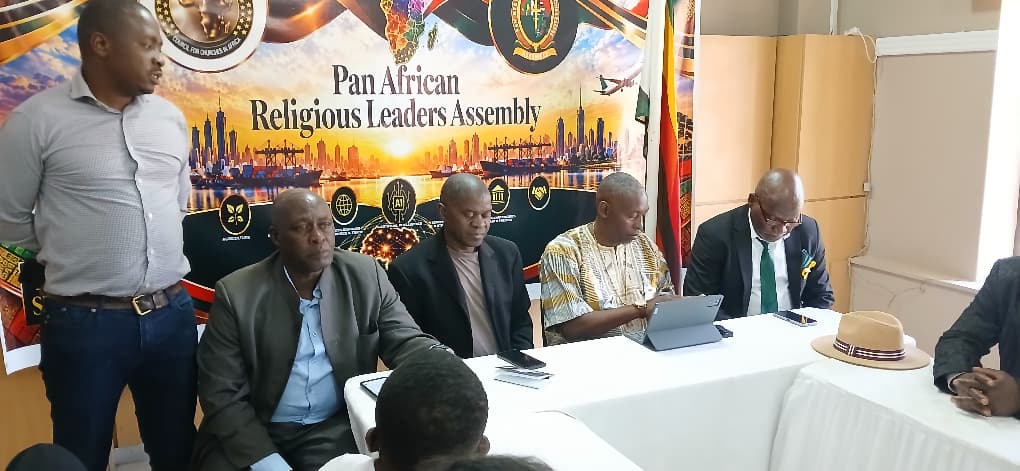
Danisa Masuku [email protected]
REPRESENTATIVES from 36 African countries are set to participate at the Pan African Religious Leaders Assembly Summit to be hosted by the Council for Churches in Africa (CCA) in Bulawayo this week.
The conference is slated for 6 to 10 October 2026, under the theme: “Rise Up: From Dependency to Self-Sufficiency — Every Nation is Built by Its Own People” and will deliberate on strategies to move the continent from dependency to self-sufficiency.
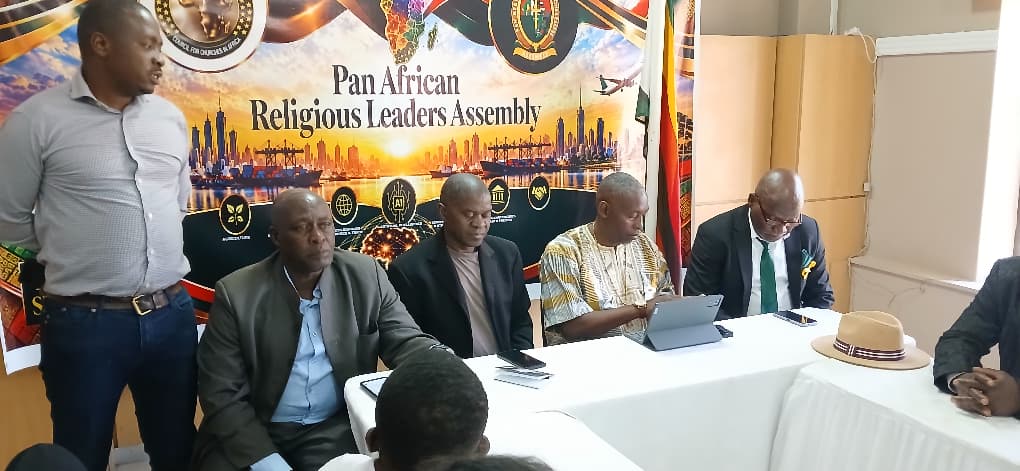
CCA founding president, Bishop Professor Rocky Moyo, said the time had come for churches in Africa to lead the continent’s economic transformation.
“For too long, the church in Africa has been a pillar of hope, but our nations and ministries have remained dependent on external aid. We’ve prayed for Africa, and now God is telling us to build Africa,” said Bishop Moyo.
“The time has come for the church in Africa to shift the narrative, from survival to dominion, from aid to productivity, from dependency to self-sufficiency.”
He said the summit will be anchored on seven pillars, including mobilising African self-sufficiency through church-led strategies for economic empowerment, agriculture, enterprise development and job creation.
Bishop Moyo said the summit will also honour faith leaders who have championed Zimbabwe and Africa’s development and recognised Heads of State, including President Mnangagwa, for their support for the church and national sovereignty.
The third pillar, he said, focuses on restoring dignity for church leaders through the establishment of a Pan African Clergy Welfare Framework that will address housing, funeral cover, medical aid and pensions for pastors.
“We cannot preach prosperity when our pastors have no housing, funeral cover, medical aid, and pension,” he said.
Other pillars include empowering women and youth through skills training and entrepreneurship, taking a bold stand against early child marriages, addressing drug and substance abuse, environmental degradation and public health gaps, as well as building Kingdom infrastructure such as churches, schools, universities, clinics and media platforms owned by Africans.
Bishop Moyo said the seventh and newly added pillar is the promotion of religious tourism as a driver of self-sufficiency.
“Africa is blessed with sacred sites of revival. Zimbabwe is a religious tourism destination. From the holy shrines of Johane Masowe in Chitungwiza and Gandanzara, to Zion and Apostolic gatherings in the mountains of Manicaland and Masvingo, thousands travel across borders seeking spiritual encounter,” he said.
“Religious tourism is not just spiritual, it is economic. It creates jobs, fills hotels, supports transport, markets our country.”
Bishop Moyo said the summit will deliberate on a Pan African Religious Tourism Framework to map, protect and develop sacred sites and work with Government to ensure visas, roads and facilities are in place.
Expected outcomes from the five-day summit include resolutions on the Pan African clergy welfare framework, the African church investment fund, the Zimbabwe and Africa leadership declaration on self-sufficiency, women and youth empowerment charter, a joint action plan against drugs, early marriages and environmental damage, and a Pan African religious tourism blueprint for Zimbabwe and Africa.
Bishop Moyo appealed to the media to partner with the church in telling the African story.
“Help us tell this African story. This is not just a church conference; it is a developmental revolution led by the Church,” he said.
“This is our Jerusalem moment. As Nehemiah said: ‘Come, let us rebuild the wall of Jerusalem, and we will no longer be in disgrace.’ Let us rebuild Africa. Let us build Zimbabwe. With our own hands, with our own resources, with our own tithe and seed — without foreign strings.”