admin
admin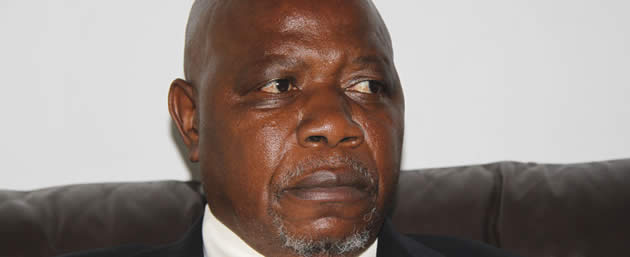

Harare Bureau
The Information and Media Panel of Inquiry (IMPI), which was established last year to promote and elevate the standards of media practice in Zimbabwe, will today start a nationwide tour to look into challenges affecting media operations and identify opportunities and prospects for the industry.
In an interview yesterday, IMPI chairman Geoffrey Nyarota, said the outreach programme would commence in Marondera, Rusape, Mutare, Chimanimani and Masvingo before visiting other areas.
“The outreach programme will involve public meetings, interviews and general discussions with media and information stakeholders as well as members of the public on various issues concerning the media,” Nyarota said.
He said there were seven thematic committees set up to cover issues including media as business, information platforms and content of media products, media training capacity building and ethics, media law reform and access to information, employment opportunities and conditions of service of journalists, polarisation, perception and interference as well as gender issues and media advocacy.
“We will be inquiring into all these issues that have aroused complaints and concerns.
“When we finish we transcribe the information from the thematic committees and go through it before we submit our final report of our findings to the Information, Media and Broadcasting Services Ministry,” he said.
Nyarota said the panel had been given four months to undertake the inquiry and had already received nine Isuzu twin cabs to undertake their mandate.
He said the reports would be forwarded to Parliament by the ministry.
IMPI, which comprises 28 members including several senior journalists and experts from other professions, was launched last year by the Ministry of Information, Media and Broadcasting Services to assess the state of the information and media industry in the country.
Some of the experts include deputy chairperson, Thembe Khumalo and members Dumisani Muleya, Pikirai Deketeke, Chris Chivinge, Foster Dongozi, media lecturer Dr Nhamo Mhiripiri and Plaxedes Wenyika.



 Online Reporter