admin
admin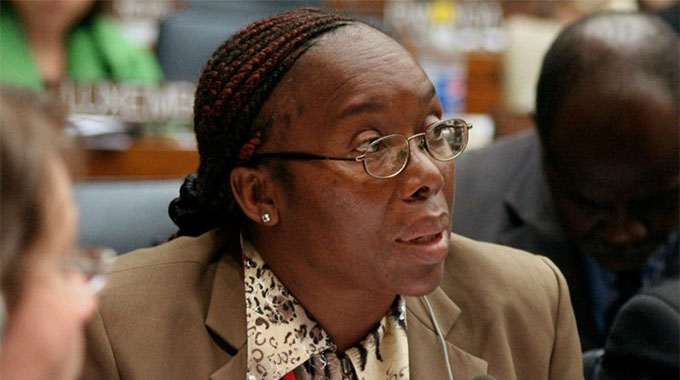
Peter Matika, Senior Reporter
THE Ministry of Women’s Affairs, Community, Small and Medium Enterprise Development is preparing a document that will compel Government to disqualify any board of parastatals and State enterprises that do not reflect gender equality.
Permanent Secretary in the Ministry, Dr Rudo Chitiga, during a briefing with the Parliamentary Portfolio Committee on Women last week, said there was an urgent need to implement a policy that requires gender balance in the appointment of parastatal boards.
“We are in the process of preparing a document that will allow Cabinet to decide on issues to do with gender equality. We see the appointment of the five judges as a gender push back on gender equality,” she said.
Chairperson of the Zimbabwe Gender Commission (ZGC) Mrs Margaret Mukahanana-Sangarwe said when Cabinet was appointed last year, the commission sent advisory notes to all ministers on the need to embrace gender equality.
“Despite these diplomatic engagements, there have been no measures taken by ministries to use emerging opportunities to ensure the gender gaps are closed as far as representation on boards of State enterprises and parastatals is concerned,” she said.
Gender equality, also known as sexual equality or equality of the sexes, is the state of equal ease of access to resources and opportunities regardless of gender, including economic participation and decision-making; and the state of valuing different behaviours, aspirations and needs equally, regardless of gender.
Gender equality is the goal, while gender neutrality and gender equity are practices and ways of thinking that help in achieving the goal. Gender equality is more than equal representation; it is strongly tied to women’s rights and often requires policy changes.
Unicef notes that gender equality means that women and men, and girls and boys, enjoy the same rights, resources, opportunities and protections.
“It does not require that girls and boys, or women and men, be the same, or that they be treated exactly alike.”
On a global scale, achieving gender equality also requires eliminating harmful practices against women and girls, including sex trafficking, femicide, sexual violence and other oppression tactics.
UNFPA stated that despite many international agreements affirming their human rights, women are still much more likely than men to be poor and illiterate.
They have less access to property ownership, credit, training and employment.
“They are far less likely than men to be politically active and far more likely to be victims of domestic violence.”
@peterkmatika


 Online Reporter