admin
admin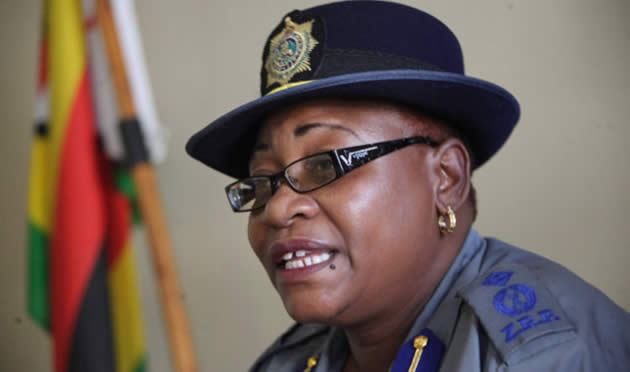
Peter Matambanadzo Harare Bureau
Parastatal and local authority bosses implicated in salarygate scandal, believed to have cost Government over $600 million since 2009, are unlikely to face the music as long as no formal complaints are made to the police, it has been learnt.
Although the media has highlighted several cases where corruption could be taking place, it appears the fight might soon be deflated because no investigations follow after the exposures.
Legislators have also complained that police were failing to make arrests following revelations that government officials who sat on boards or chief executive officers and senior managers pocketed millions unprocedurally.
In an interview on Friday police chief spokesperson Senior Assistant Commissioner Charity Charamba, said police could not arrest anyone before the entities made formal reports.
She said police should not be accused of failing to conduct their duties when there was clear protocol that has to be followed to enforce an arrest.
She said the Police Commissioner General Augustine Chihuri had always denounced corruption and continued to denounce corruption even within the force.
“The police came up with various mechanisms to curb corruption such as taking stern measures against corrupt elements in the force,” she said.
Chief Secretary in the Office of the President and Cabinet, Dr Misheck Sibanda, said he could not comment as the issue was still pending.
“Executives in State linked firms gobbled $600 million in salaries and allowances since 2009 and $133 million last year alone.
The public funds were pocketed by 3,000 individuals who sat on boards or were chief executives and senior managers of the country’s 78 parastatals and State enterprises.
Information, Media and Broadcasting Services Minister Professor Jonathan Moyo, recently said Government was turning the recently adopted policy framework on parastatals and State entities into an Act of Parliament to legally punish officials who deviated from good corporate governance.
The Corporate Governance and Remuneration Policy framework was established to monitor operations of parastatals and local authorities as well as curb corruption and awarding of unrealistic packages in the public sector.
Parliamentarians recently said they had become impatient and accused the executive for allegedly “dragging its feet in dealing with corruption and good governance issues”.
National Assembly representative for Mudzi South (Independent) Jonathan Samukange, said when newspapers report on corruption, the police should carry out investigations immediately, but they were not doing that.
Samukange said this revealed a lot about the police and their willingness to fight corruption and Parliamentarians have lost faith and patience and cannot wait



 Online Reporter