
Moses Magadza
THE Parliament of Zimbabwe, in partnership with the SADC Parliamentary Forum, has commenced a series of provincial public awareness hearings and youth engagement dialogues on Sexual and Reproductive Health and Rights, HIV and AIDS Governance aimed at placing young people’s voices at the centre of policy-making, legislation and service delivery.
The public engagements, running from June 22 to 26 in Bulawayo, Masvingo, Kwekwe, Kadoma and Harare, are being conducted under the Sweden-funded SADC PF SRHR, HIV and AIDS Governance Project.
They seek to strengthen public understanding of SRHR issues while creating inclusive platforms through which adolescents and young people can share their experiences, concerns and recommendations regarding access to SRHR information and services.
The dialogues are being held under the guiding principle, “Nothing For Us Without Us,” in line with the Parliament of Zimbabwe’s commitment to ensuring that young people are not merely recipients of policies and programmes but active participants in shaping them.
Ten MPs from the youth caucus are participating in the public outreach under the chairpersonship of lawmaker Honourable Stanley Sakupwanya.
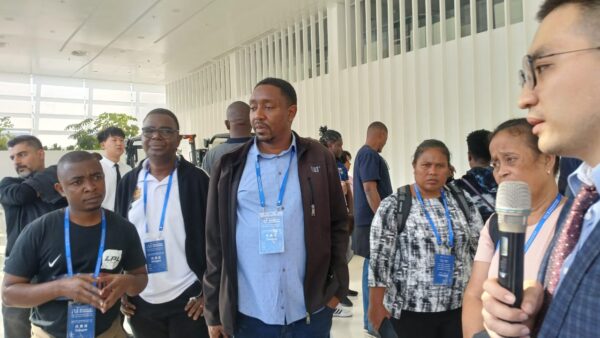
The nationwide engagements follow a Technical Working Group meeting convened in Harare on 19 June 2026, where Members of Parliament, researchers and key stakeholders were equipped with practical advocacy, programming and budget literacy tools ahead of the provincial consultations.
Held at a Harare hotel, the preparatory meeting reviewed evidence, experiences and lessons from previous SRHR interventions and agreed on strategies to strengthen evidence-informed, youth-centred and sustainably financed responses to HIV and AIDS challenges facing young people in Zimbabwe.
Participants stressed the importance of ensuring that future parliamentary interventions are informed by first-hand community perspectives and grounded in credible evidence generated directly from young people.
The Technical Working Group noted that the provincial dialogues present an important opportunity to deepen the national evidence base by capturing youth voices from diverse communities across the country. Through safe and inclusive spaces for open discussion, Parliament aims to gain a better understanding of what is working, where gaps persist and what practical measures are required to improve access to youth-friendly SRHR services.