Chronicle Editor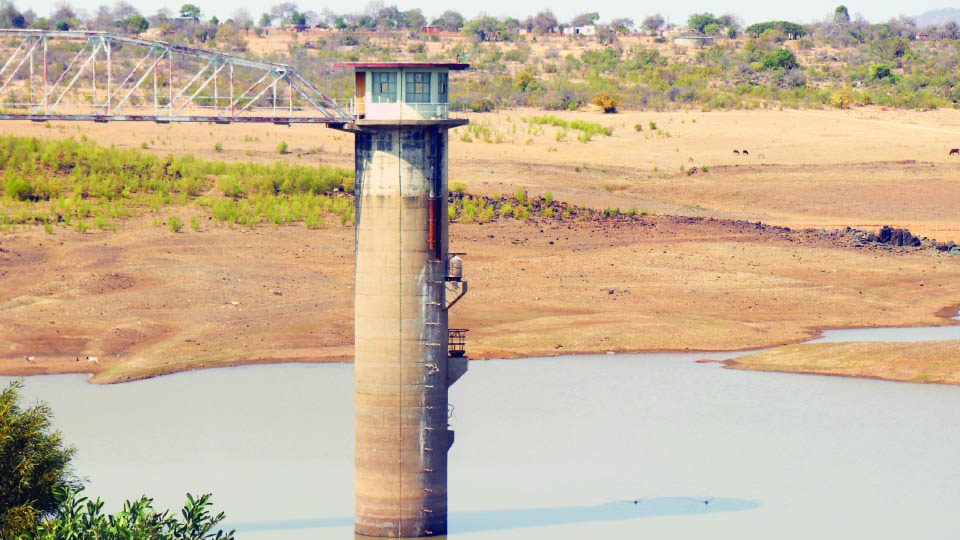
Nqobile Tshili, [email protected]
PARLIAMENTARIANS yesterday came face-to-face with the reality of escalating water shortages in Bulawayo amid a tight water shedding regime as the city’s supply dam levels continue to decline while only 23 out of 40 Nyamandlovu Aquifer boreholes are said to be operational.
The city expects to decommission Upper Ncema Dam next week Monday followed by Lower Ncema in November. Umzingwane Dam was decommissioned late last year. With a combined holding capacity of 28 percent, Bulawayo is now left with Insiza and Mtshabezi as major anchors while Inyankuni Dam is also in the red with supplementary inflows from Nyamandlovu Aquifer.
The decommissioning of Upper and Lower Ncema will result in Bulawayo losing about 35 million litres of water that was delivered to the city every day. Although it has adopted a 120-hour water shedding programme, the city council has failed to maintain the schedule with some places going for almost a month without the precious liquid.

A joint Parliamentary Portfolio Committee on Local Government, Public Works and National Housing and a committee on Sustainable Development Goals met Bulawayo City Council officials and councillors on Monday and conducted a tour of supply dams and Nyamandlovu Aquifer boreholes.
The committee will tour the Lake Gwayi-Shangani project in Hwange district today and is expected to make urgent recommendations to the Government soon after the visit.
During the tour, Bulawayo City Council’s director of Water and Sanitation, Engineer Sikhumbuzo Ncube, dispelled allegations that the city’s supply dams were silted noting that the major challenge was upstream gold panning activities and diversion of tributaries.

Gold panners have wreaked havoc mainly on Umzingwane River catchment and council has lobbied for the deployment of soldiers to manage the situation.
“Over the last three years, we started having some disturbing mining activities upstream and we have gone there with policy makers and they have observed the huge pits from mining activities,” said Eng Ncube.
“It’s a massive operation and we believe it’s one of the contributors to why we are now realising bad inflows. Of course we had a bad rainy season but inflows are not so good and this is one of the engagements at a high level that we think can assist clear the illegal mining activities.”
He said council pumps, which for decades have never faced a threat from vandalism, are also being threatened by gold panners resulting in additional security costs to protect the critical infrastructure.
“We have security staff that are here at Umzingwane. We are in the process of building staff quarters to ensure that we protect the infrastructure. Over the years, there was actually no need to build the staff houses because that culture was not there,” said Eng Ncube.

He said council is installing new pumps at Umzingwane and the project is expected to be completed by the end of next month. Should funds be provided, the council will improve the pumping capacity at Mtshabezi, which still has water, said Eng Ncube.
His deputy, Eng Kwanele Sibanda, said the city’s water situation was worsening with each passing day.
“We are predicting that by the end of this month, Upper Ncema will be decommissioned and we will only have 18 percent from Lower Ncema,” she said.
“Based on our predictions, we are going to decommission Lower Ncema early November.”
The levels of the city’s supply dams have dropped to 28 percent and the city’s chamber secretary, Mrs Sikhangele Zhou, said legislators should lobby Treasury to release US$14 million to avert disaster.
The engagements were robust as the visiting delegation and councillors tried to find common ground with councillors proposing declaring Bulawayo as a water shortage area to unlock international funding.

Hopes are also high that Nyamandlovu Aquifer boreholes could ease the situation but there are concerns over rampant vandalism and theft. The legislators were briefed that following stakeholder engagements, security has been beefed up and processes have been set in motion to establish a Police Base to protect the water infrastructure.
Pelandaba-Tshabalala legislator, Cde Joseph Tshuma, who is part of the delegation, said they will take up some of the recommendations to lobby the executive to urgently provide resources to address the city’s water crisis.
“We had a meaningful engagement with council management, councillors and other stakeholders,” he said.



 Online Reporter