Online Reporter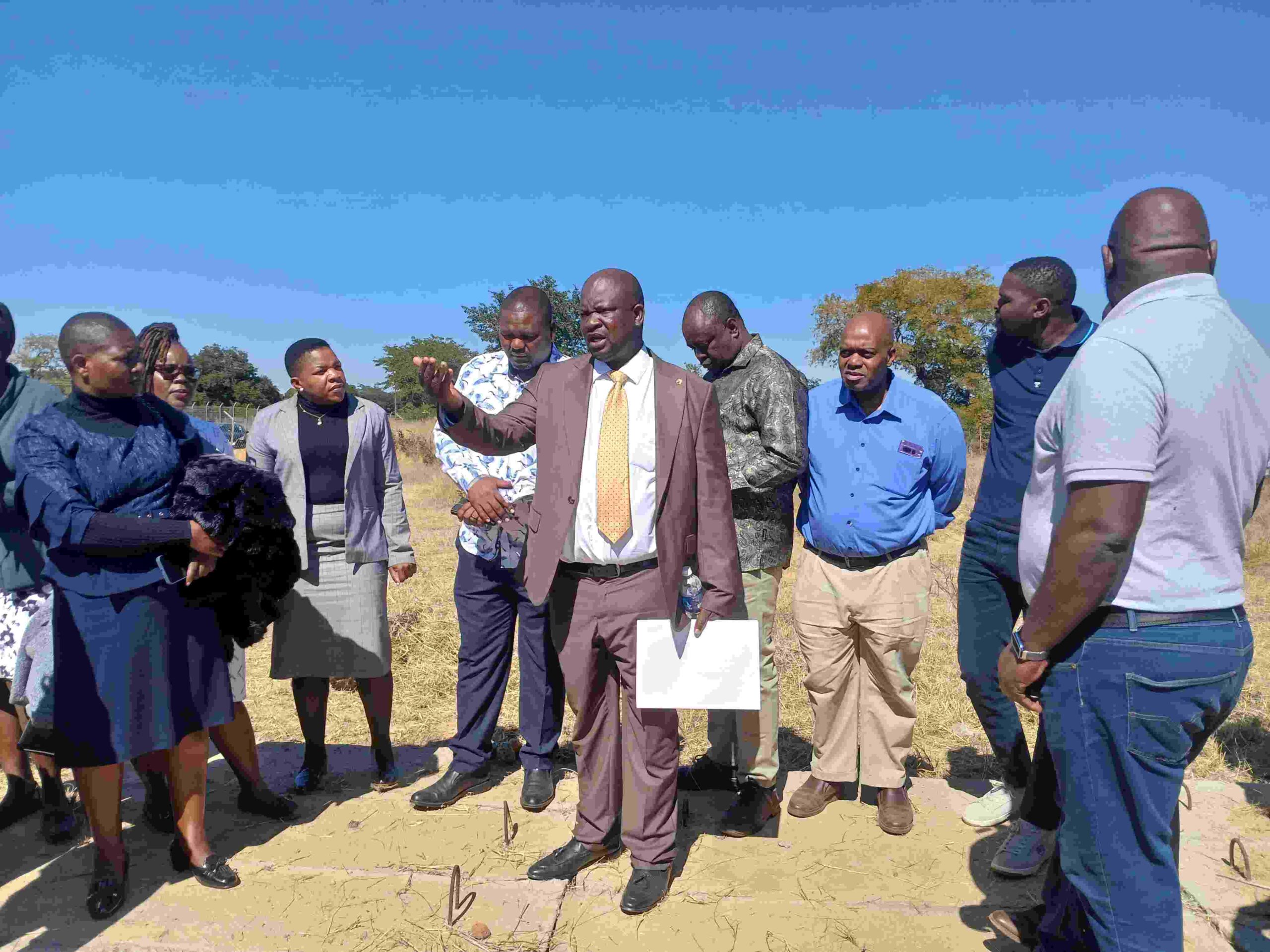
Daniel Chigunwe in LUPANE
PARLIAMENT has pledged to support Government efforts to transform Lupane into a modern provincial capital through enhanced investment in housing and sanitation infrastructure, as Zimbabwe moves to close urban development gaps in line with global trends.
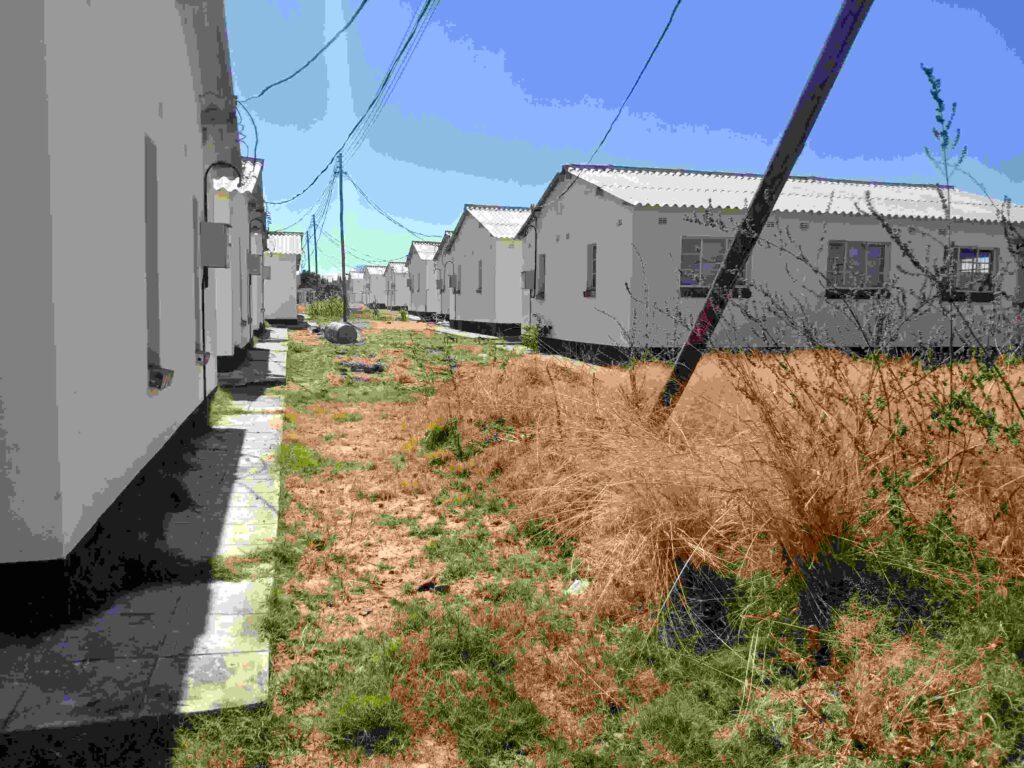
The commitment was made during an oversight visit by the Parliamentary Portfolio Committee on Local Government, Public Works and National Housing, chaired by Mazowe Central legislator Dr Maxmore Njanji, to the Garikai/Hlalani Kuhle housing and sanitation project in Lupane.
The visit, which forms part of Parliament’s constitutional oversight mandate, comes as Government intensifies implementation of the Human Settlements Policy and Vision 2030, underpinned by the principle of leaving no one and no place behind.
Speaking after touring the project, Dr Njanji said Parliament would continue working with Government ministries and local authorities to ensure that infrastructure development in Lupane matches its status as the capital of Matabeleland North Province.
“As Parliament, our constitutional obligation is to ensure that Government programmes are implemented effectively and that communities derive maximum benefit from public investments,” said Dr Njanji.
“Lupane is an important administrative centre and its growth trajectory must reflect the aspirations of the Second Republic to build modern, sustainable and inclusive settlements.”
The Garikai/Hlalani Kuhle project, which currently services 403 residential stands, including 19 designated for civil servants, is approximately 53 percent complete and requires about US$700 000 for completion.
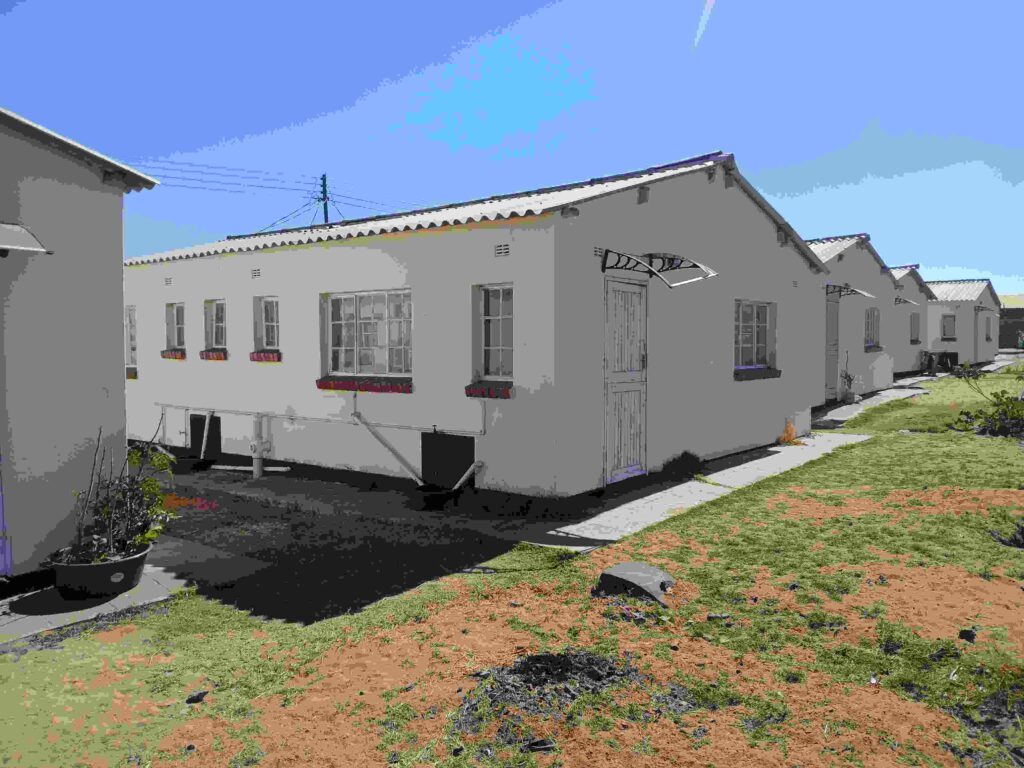
Officials from the Ministry of National Housing and Social Amenities told the committee that the project seeks to regularise settlements and provide residents with access to sanitation, water and storm-water drainage infrastructure.
Dr Njanji said the committee’s visit was intended to identify implementation gaps and facilitate recommendations that would strengthen service delivery.
“Our role is not to apportion blame, but to ensure that Government projects achieve their intended objectives. We are encouraged by the progress made thus far and remain confident that, with continued support, Lupane will attain the infrastructure befitting a provincial capital,” he said.
The committee heard that although Lupane was declared the provincial capital in 1999, the town is yet to establish a comprehensive sewer reticulation network and sewer treatment plant.
However, Government has already initiated plans for a long-term solution after engaging consultants, through devolution funds, to design a town-wide sewer system and treatment facility.
Dr Njanji said the development demonstrated Government’s commitment to modernising urban settlements and improving the quality of life for citizens.
“Across the world, countries are investing heavily in housing and urban infrastructure to accommodate growing populations.
Zimbabwe is equally committed to ensuring that our communities have access to decent housing, clean water and proper sanitation facilities,” he said.
The parliamentary intervention aligns with international calls by the United Nations Human Settlements Programme (UN-Habitat), which estimates that about 90 000 houses are built globally every day to meet rising urban demand.
Through programmes spearheaded by the Second Republic, Zimbabwe has accelerated housing delivery and infrastructure development as part of broader efforts to attain an upper-middle-income economy by 2030.
Dr Njanji said Parliament would continue exercising its oversight role to ensure that strategic projects receive the policy and budgetary support necessary to bridge infrastructure deficits.
“The observations made during this visit will assist Parliament in strengthening recommendations aimed at accelerating development and ensuring that communities benefit from quality infrastructure,” he said.
Local authorities expressed optimism that ongoing Government interventions, coupled with future investment partnerships, would position Lupane as a modern and vibrant provincial capital capable of supporting economic growth and improved service delivery.