admin
admin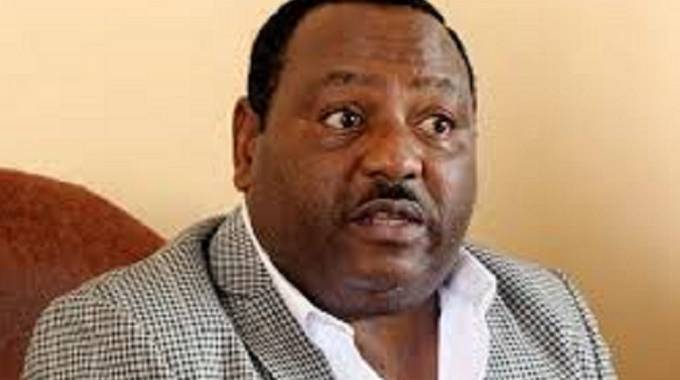
Sunday News Reporter
THREE Parliamentarians from Zimbabwe have been elected to the executive committee of the African Parliamentarians Network on Development Evaluation (APNODE).
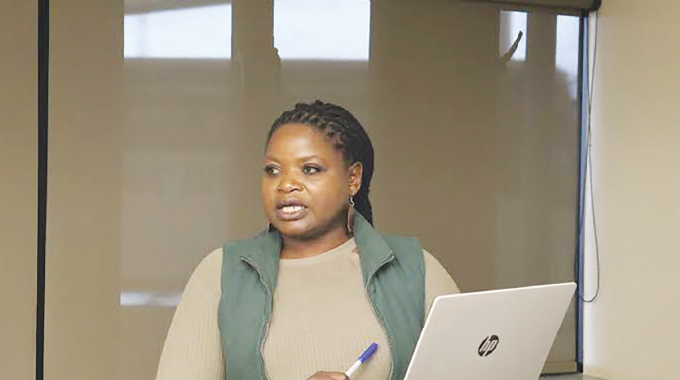
Vungu Constituency MP Cde Omega Sibanda, Senator Langton Chikukwa and Paurina Mpariwa (Mufakose) will serve in the executive until 2021. The elections were held at the organisation’s annual general meeting in Abidjan, Côte d’Ivoire recently. Other executive members are from Burkina Faso, Benin, Cameroon, Morocco and Gabon.
In a statement, the organisation said over 60 African parliamentarians from 13 countries attended the meeting which was hosted by Independent Development Evaluation (IDEV) at the African Development Bank.
“Themed Shaping the Africa We Seek: The Vital Role of Parliamentarians in Evaluation Capacity Development, APNODE’s 5th AGM focused its discussions on the work of African parliamentarians in their role as catalysts of change and drivers of an evaluation culture.
The AGM agenda covered: (i) APNODE’s Annual and Financial Report, (ii) a training and panel session on evaluation at the legislative level; (iii) panel sessions on ‘Diversifying APNODE’s Resource Pool’ and the ‘African Continental Free Trade Agreement (AfCFTA); and (iv) election of a new Executive Committee (EC).”
The event was also attended by Advocate Jacob Mudenda, Speaker of the National Assembly.
Founded in March 2014, the objective of APNODE is to enhance the capacity of African parliamentarians to improve their oversight, policy making, and national decision making by ensuring it is evidence based.
The network works to bridge the gap between evaluators, who provide impartial evidence and parliamentarians, encourage parliamentarians to institutionalise evaluations and support them in ensuring that evaluations conducted at country level are responsive to the needs of women and vulnerable groups.
Membership of the Network is open to current and former parliamentarians from Africa and other regions, civil society organisations, private sector organisations, research institutions, national and regional evaluation associations, African national parliaments, development partners and other individuals and organisations demonstrating a keen interest in the network.



 Online Reporter