

 Online Reporter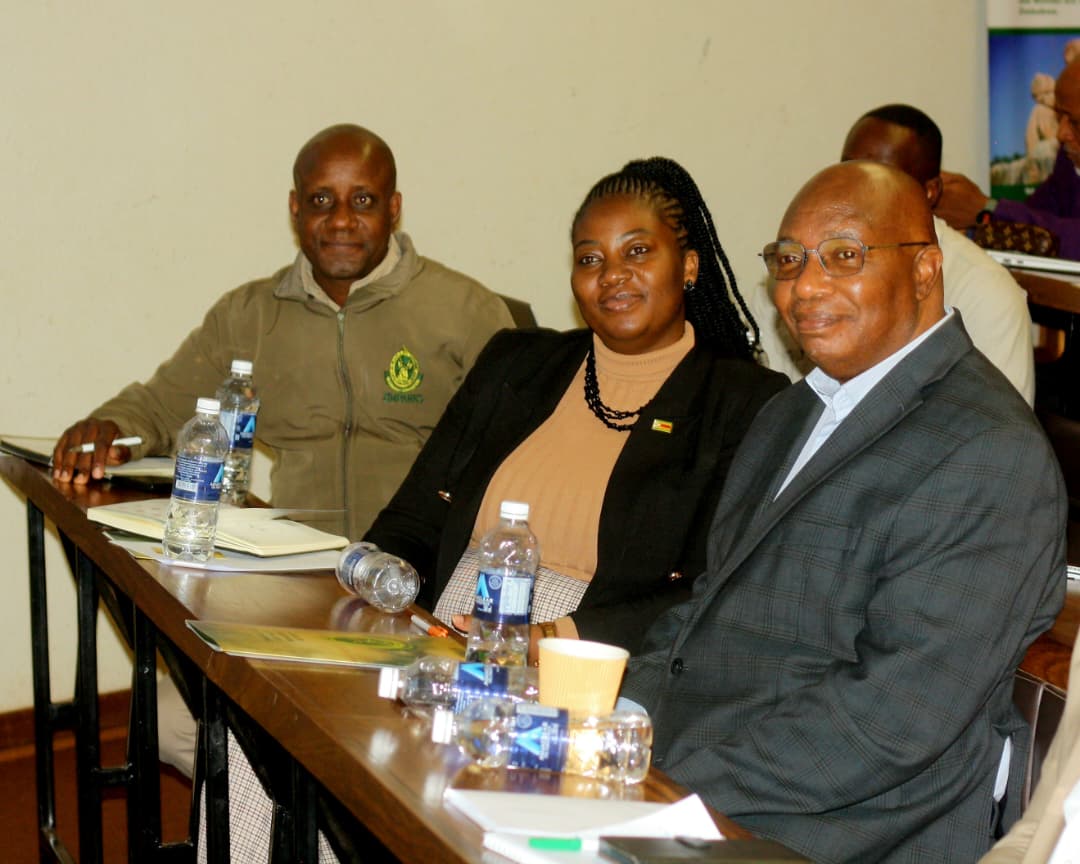
Trust Freddy
Herald Correspondent
THE Parliamentary Portfolio Committee on Tourism and Hospitality Industry and the Zimbabwe Parks and Wildlife Management Authority (ZimParks) recently held a meeting in Harare to hammer out lasting solutions to infrastructure and connectivity deficits affecting the country’s premier wildlife destinations.
The indaba, convened at the ZimParks Headquarters, comes at a time when the tourism sector is experiencing a massive rebound, with the latest official data showing that first-quarter tourism receipts for 2026 jumped 14 percent to US$251 million, up from US$221 million during the same period last year.
To ensure this upward economic trajectory is not stalled under the National Development Strategy 2 (NDS2: 2026-2030), lawmakers and conservation authorities shifted focus from merely identifying structural gaps to enforcing immediate, long-term legislative and fiscal remedies.
Speaking during the engagement, the Chairperson of the Portfolio Committee, Joanah Mamombe, described tourism as a strategic economic pillar with powerful cross-sector linkages, requiring immediate infrastructural backing to maintain regional competitiveness.
“The committee, in its preliminary investigations, has noted with concern challenges relating to road accessibility to major national parks, limited aviation connectivity, weak telecommunications infrastructure, ageing tourism facilities and water and energy supply constraints,” Mamombe said.
She also added that the focus must move entirely toward concrete results.
“Our objective today is not simply to identify challenges but to collectively develop practical, lasting recommendations to unlock the immense tourism and economic potential of Zimbabwe’s national parks.”
Confronted by deteriorating access roads, weak telecommunications networks and ageing visitor facilities in flagship estates like Hwange, Mana Pools, and Gonarezhou, the meeting locked down a decisive four-point intervention framework to serve as a permanent fix.
Under the agreed roadmap, Parliament committed to pushing through enhanced, direct budgetary allocations specifically ring-fenced for road rehabilitation, ranger operations and tourism camp upgrades across the five million hectares managed by ZimParks.
The committee also agreed to expedite the crafting of enabling legal and policy frameworks to safely mobilise and insulate private-sector capital for large-scale infrastructure development through structured Public-Private Partnerships (PPPs).
The meeting also adopted an immediate digital transformation pact to install high-speed broadband infrastructure, electronic ticketing platforms and real-time communication systems across all major reserves to bring the parks in line with modern international travel expectations.
Under the agreed roadmap, Parliament committed to pushing through enhanced, direct budgetary allocations specifically ring-fenced for road rehabilitation, ranger operations and tourism camp upgrades across the five million hectares managed by ZimParks.
Welcoming the legislative commitments, ZimParks Director General Professor Edson Gandiwa stated that opening transparent legal pathways for private capital is the most sustainable mechanism to clear the authority’s deferred maintenance backlog and combat climate-induced operational costs.
“A significant proportion of road networks within our parks and safari areas has deteriorated over time due to limited capital investment, recurring climatic shocks and increasing traffic volumes,” Prof Gandiwa explained.
“…..We strongly believe that enhanced fiscal support for conservation infrastructure rehabilitation, road development, ranger operations and tourism facilities is essential to unlock the full economic value of our protected areas,” he said.
“ZimParks is also facing growing pressures from climate change, human-wildlife conflict, poaching threats, invasive species management and rising operational costs.
“These challenges demand not only administrative responses but robust legislative and budgetary support.”
Despite these challenges, he assured the committee that ZimParks remains committed to its mandate to conserve wildlife and promote sustainable tourism development for the benefit of present and future generations.



 Peter Tanyanyiwa