Online Reporter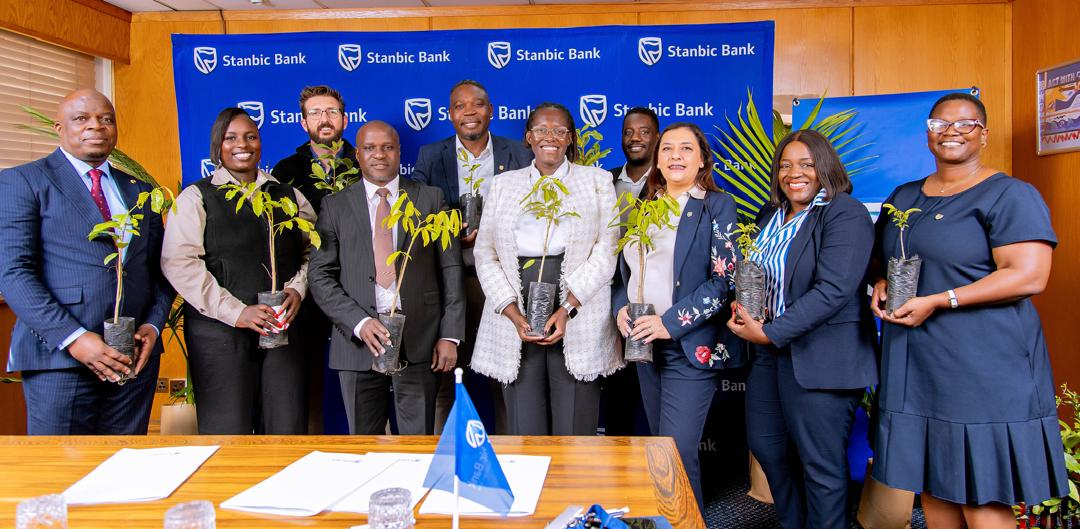
Obey Musiwa
Herald Reporter
Stanbic Bank Zimbabwe has committed US$100 000 to a major afforestation programme that will see 40 000 indigenous trees planted in Hurungwe District over the next three years, combining environmental restoration with efforts to improve rural livelihoods.
The initiative, being implemented in partnership with My Trees Trust under the Standard Bank Group’s Blue Roots Initiative, is expected to benefit 40 smallholder farmers while contributing to climate resilience, biodiversity conservation and sustainable land management.
Beyond restoring degraded landscapes, the project is designed to strengthen household incomes and food security by ensuring that local communities play a central role in environmental stewardship.
Speaking at the launch of the programme, Stanbic Bank Head of Business and Commercial Banking Mr Patson Mahatchi said the initiative reflects the bank’s commitment to supporting both environmental sustainability and economic development.
“This initiative is not only about environmental restoration, but it is also about strengthening the foundation of Zimbabwe’s agricultural economy, which includes our environment and farmers,” he said.
“Through our partnership with My Trees Trust, we are supporting the planting of more than 40 000 indigenous trees while addressing environmental sustainability, which remains a key priority for us as a bank.”
Stanbic Bank Head of Legal and Governance Ms Neeta Joshi described the programme as a significant milestone in the institution’s sustainability journey, highlighting its potential to deliver long-term environmental and social benefits.
“It is more than the signing of an agreement. It is the affirmation of a shared responsibility to leave the environment stronger, healthier and more resilient for future generations,” she said.
“It is about restoring ecosystems, protecting water sources, improving biodiversity, supporting livelihoods and contributing meaningfully to climate resilience and carbon sequestration.”
My Trees Trust Country Director Dr Rory Pilossof said the partnership marks an important step towards scaling up reforestation efforts while creating opportunities for rural communities to benefit from emerging carbon markets.
“Forty thousand trees are a remarkable achievement, and we are building something sustainable and long-term,” he said.
“If we can successfully develop the carbon project and generate carbon credits, while at the same time improving livelihoods, it has the potential to transform the lives of people in rural communities.”
Dr Pilossof said the project demonstrates how environmental conservation can be aligned with economic empowerment, creating a model that benefits both people and the planet.
The programme is expected to contribute to national climate action goals while providing participating farmers with opportunities to improve productivity, diversify income streams and build resilience against the effects of climate change.
As Zimbabwe continues to confront environmental degradation and the growing impact of climate change, initiatives such as the Stanbic-My Trees partnership are increasingly being viewed as practical solutions that combine ecological restoration with sustainable rural development.