Vusumuzi Dube
Mthokozisi Ncube and Sikhumbuzo Moyo, Zimpapers Writers
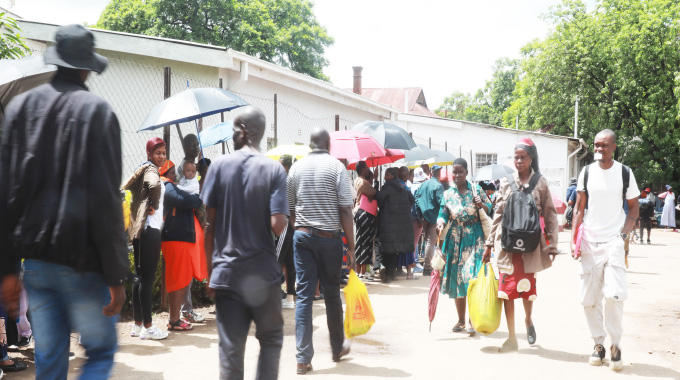
THE Bulawayo Civil Registry Offices were yesterday a hive of activity as scores of people, including Zimbabweans based in the diaspora, jostled to obtain identity and travel documents, taking advantage of the festive season.
An ordinary passport costs US$170 and is obtainable within 7-14 working days, while the emergency passport costs US$270 and is obtainable within 3-4 days.
A Zimpapers news crew observed long, winding queues stretching outside the Civil Registry premises, with hundreds of applicants waiting patiently to be served.
Security guards manning the premises struggled to maintain order as the numbers swelled, although senior citizens were prioritised in line with Government policy.
Among those in the queues were diaspora-based Zimbabweans taking advantage of the festive holidays to process travel documents, as well as parents applying for passports for children hoping to visit relatives abroad during the school break.
“This is the only time we get to be off work and free from other commitments, so we take the opportunity to sort out our passports,” said one resident waiting in the queue.
A security guard on duty said the surge in applications had caught many by surprise.
“To my surprise, on December 1, there was hardly anyone here. Now, as Christmas approaches, people are flocking in large numbers,” he said.
Some applicants expressed concern over the pace of service, fearing they might not be attended to after waiting for hours. “I don’t know if I will be served today. I have been here since 6AM,” said one applicant.
Over the past several years, passport services in Bulawayo have been characterised by long queues, backlogs and frustration among applicants, particularly during peak travel periods.
However, Registrar-General Mr Henry Machiri said there was no cause for panic, assuring the public that the department was prepared for the seasonal surge.
“The festive season is traditionally our busiest period, and we were expecting an increase in numbers again this year. There is no need for the public to panic,” he said.
“Our citizens in the diaspora usually return home for Christmas and take advantage of this period to apply for or renew passports.”
Mr Machiri said industry shutdowns and school holidays also contribute to the spike in applications, but stressed that the Civil Registry Department was coping well.
“The increase is normally experienced up to the first week of January. We are on top of the situation and everyone who applies will be served. Those applying for passports will get them on time,” he said.
Mr Machiri said the Civil Registry Department plays a pivotal role in complementing Government efforts towards the attainment of Vision 2030 through computerisation and decentralisation of services for both citizens and non- citizens.
The department has decentralised issuance of vital civil registration documents to 10 provinces, 62 districts and 206 sub-offices across the country to accelerate service delivery.
The Government introduced a new e-passport system in December 2021, significantly improving efficiency and clearing long-standing backlogs through digital enrolment and enhanced security features.
An electronic passport or e-passport contains an electronic chip, which holds the same information that is printed on the passport’s data page.
It contains the holder’s name, date of birth, and other biographic information. An e-passport also contains a biometric identifier.
All of these features are designed to protect citizens from identity theft because it is difficult and expensive to steal the information stored on the document’s encrypted digital record.
The Government entered into a partnership with a Lithuanian company, Garsu Pasaulis, on a build, operate and transfer (BOT) basis to produce the new passports that meet modern international standards and allow Zimbabweans to travel without additional complications.
Since then, a systematic rollout of additional passport offices across the country has helped decongest major centres such as Bulawayo and Harare.
E-passport services have also been extended to Zimbabwe’s busiest foreign missions, where basic biometric data is captured, allowing passports to be processed efficiently even when collected by relatives in Zimbabwe.
The reforms have transformed what was once a bureaucratic and organisational challenge into a more streamlined, secure and reliable service.
As more Zimbabweans replace expiring passports under the new system, authorities say service delivery will continue to improve, in line with standards set under the Second Republic to ensure citizens no longer endure outdated and inefficient public services.



 Online Reporter