Online Reporter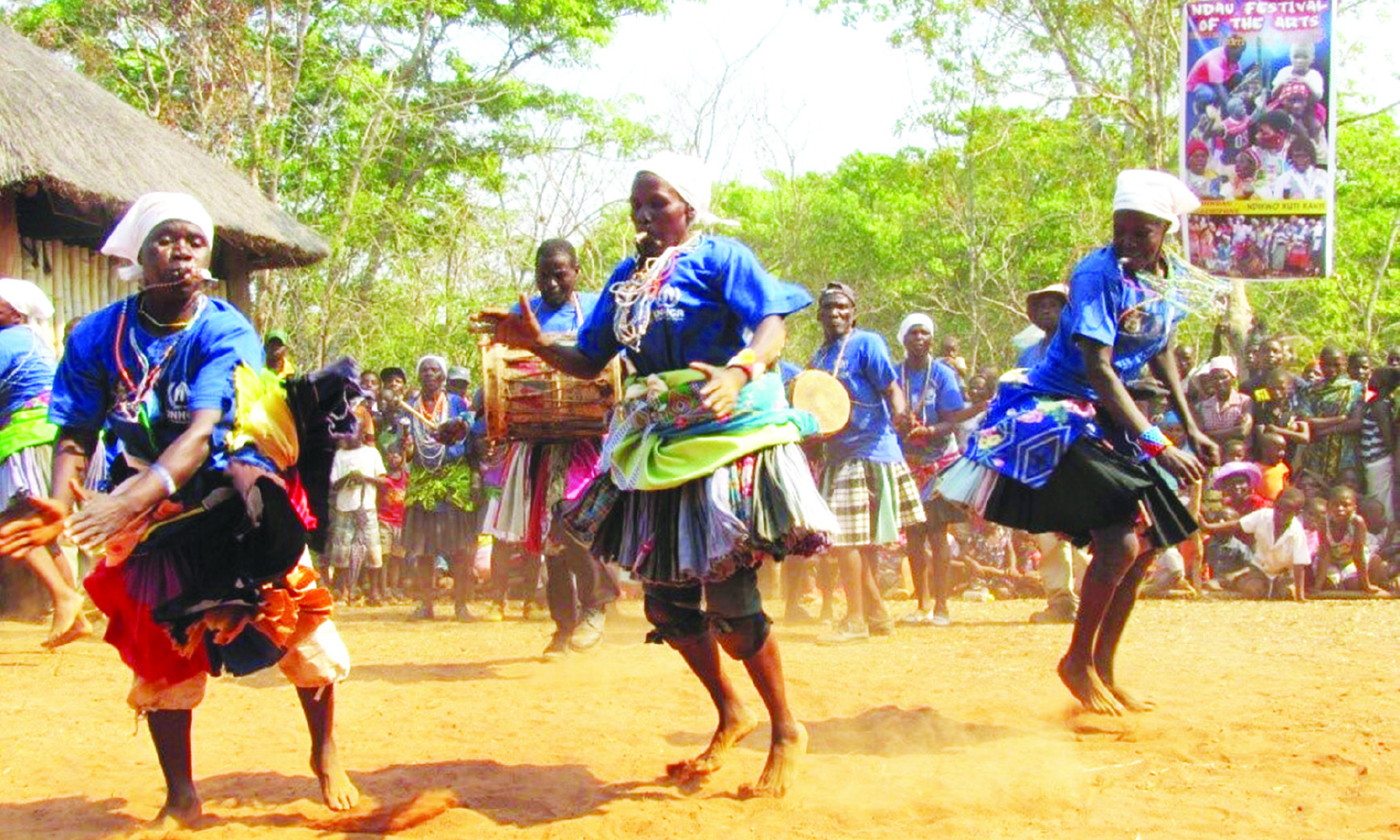
Charles Mavhunga
Tourism Branding
Cultural invasion has profoundly impacted Africa’s originality in values, heritage systems and cultural identity, with Zimbabwe being particularly affected by the legacy of colonialism.
The imposition of foreign values and systems has led to a loss of cultural heritage and identity, necessitating a strategic approach to reclaim and promote Zimbabwe’s unique cultural narrative.
Prioritising tourism branding can be an effective strategy to revive innovation, cultural connection and respect for nature.
Through showcasing Zimbabwe’s rich cultural heritage, traditional practices and natural beauty, tourism branding can help to remove and cleanse many years of mindset status imposed by colonialism, promoting a renewed sense of pride and ownership among Zimbabweans.
Effective tourism branding can also attract tourists, generate revenue and promote economic development, while fostering cultural exchange and education.
Through leveraging tourism branding, Zimbabwe can redefine its cultural identity, promote sustainable development and showcase its unique cultural narrative to the world.
Tourism Branding Strategies
National Dress Code:
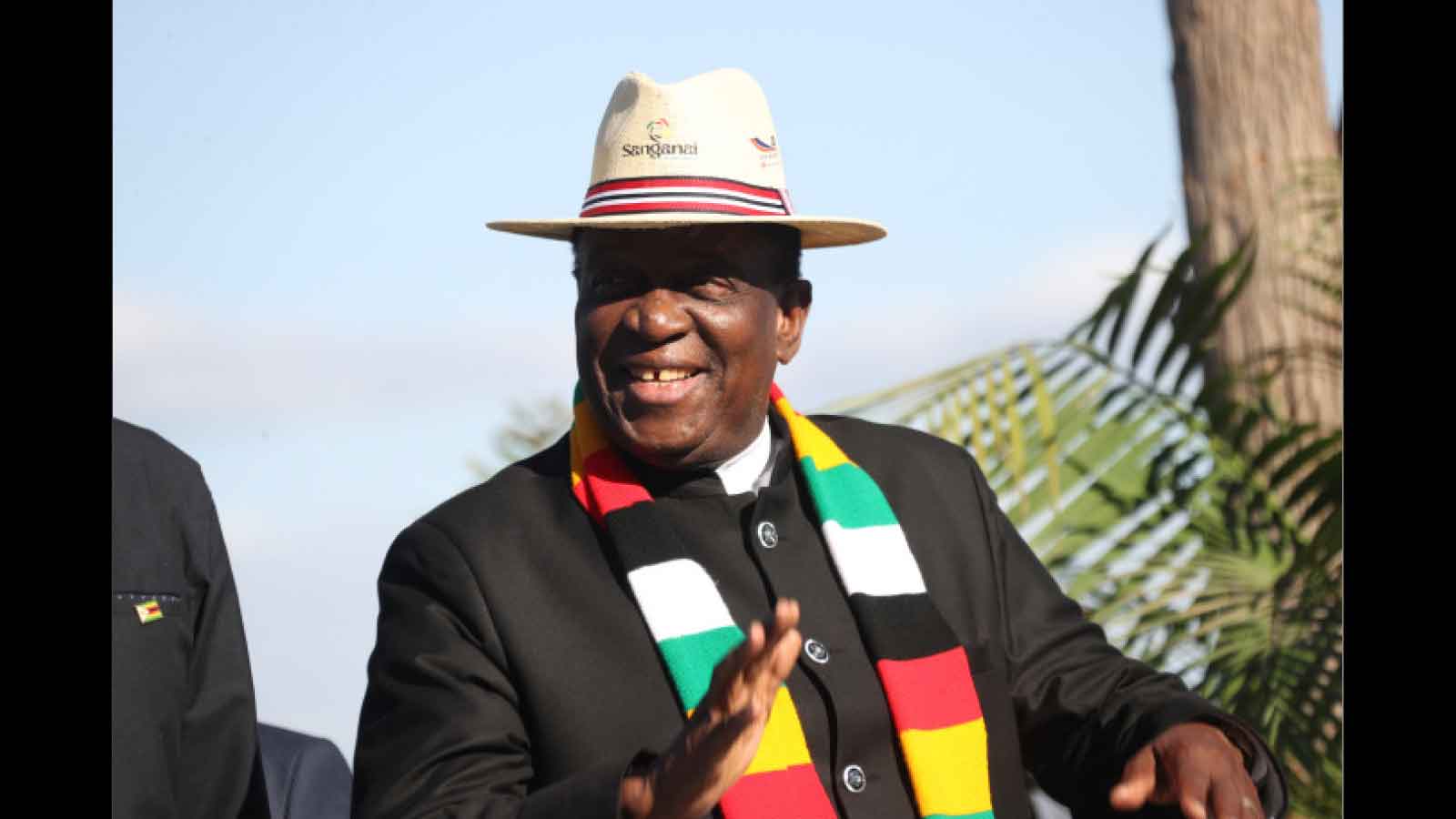
Promoting Zimbabwe`s unique national dress code can be a key aspect of cultural branding, as seen in initiatives led by Her Excellency, Dr Auxilia Mngangagwa, which aim to revive the originality of Zimbabwean culture.
For instance, the promotion of traditional attire, cooking competitions showcasing local cuisines, small grains initiatives that promote indigenous crops and Agric-for-She programmes empowering women in agriculture have all contributed to preserving and promoting Zimbabwe’s cultural identity.
These national programmes, focused on celebrating and preserving Zimbabwe’s heritage, have helped to reclaim and showcase the country’s rich cultural narrative, providing a platform for economic empowerment, innovation and national pride, in the end contributing to Zimbabwe’s distinct identity.
Galleries and Heritage:
Showcasing Zimbabwe’s rich cultural heritage through galleries and heritage sites can attract tourists and promote the country’s heritage value. Museums such as the National Museums and Monuments of Zimbabwe, the Liberation War Museum, and the Zimbabwe Museum of Human Sciences play a crucial role in collecting and preserving artefacts that tell the story of Zimbabwe’s history, including the liberation struggle.
To bring back the identity and originality of Zimbabwe, it is essential to continue collecting new artefacts and revising galleries and heritage sites to reflect the country’s diverse cultural narrative.
This can include showcasing traditional dress, behaviours, and customs, as well as highlighting the country’s natural heritage.
Through adding new values and original narratives of the liberation struggle, galleries can provide a more comprehensive and nuanced understanding of Zimbabwe’s history and culture. This can help to promote the country’s heritage value, attract tourists and foster national pride and identity.
The development of new galleries and exhibitions can also provide opportunities for economic empowerment and innovation, while promoting cross-cultural understanding and education.
Through preserving and showcasing its rich cultural heritage, Zimbabwe can differentiate itself and establish a unique identity that showcases its history, culture and natural beauty.
Originality in Values:
Highlighting Zimbabwe’s distinct cultural values and traditions can help differentiate it from other tourist destinations. For instance, promoting traditional music and dance, such as the Mbira and Muchongoyo, can showcase the country’s rich cultural heritage.
In addition, highlighting the importance of respect for elders, community solidarity, and hospitality can provide tourists with a unique insight into Zimbabwean culture.
Community-based initiatives, such as cultural villages and homestays, can also provide opportunities for tourists to experience traditional Zimbabwean life first-hand.
Through emphasising these unique cultural values and traditions, Zimbabwe can establish a distinct identity that sets it apart from other tourism destinations.
Community Participation: Involving local communities in tourism development can ensure that cultural preservation goals are met and benefits are shared equitably.
For example, community-led tourism initiatives, such as the development of cultural tourism sites, can provide economic benefits to local communities while promoting cultural preservation.
Community-based projects, such as traditional craft production and cultural performances, can also provide opportunities for local communities to showcase their skills and traditions.
Furthermore, involving local communities in tourism decision-making processes can ensure that their needs and concerns are taken into account, promoting sustainable and responsible tourism practices.
Through working together with local communities, Zimbabwe can develop an economically viable tourism industry, and also be culturally sustainable and beneficial to all stakeholders. This approach can also help to promote cross-cultural understanding and education, while fostering national pride and identity.
Benefits of Cultural Tourism:
Cultural tourism in Zimbabwe can have numerous benefits, including economic empowerment, cultural revival, and innovation and creativity. Through leveraging its rich cultural heritage, Zimbabwe can generate revenue for local communities and promote economic development through sustainable tourism practices.
This can be achieved through community-led tourism initiatives, cultural villages, and homestays that showcase traditional Zimbabwean life and provide opportunities for tourists to experience the country’s unique culture.
In addition, tourism can incentivise the preservation of traditional practices and cultural heritage, promote cultural revival and help to safeguard Zimbabwe’s distinct identity.
Furthermore, cultural tourism can foster innovation and creativity in local communities, encouraging the development of new products, services, and experiences that showcase Zimbabwe’s unique cultural narrative and differentiate its tourism industry.
Conclusion
In conclusion, Zimbabwe`s cultural identity, profoundly impacted by colonialism, can be revitalised through strategic tourism branding that showcases the country’s rich cultural heritage, traditional practices, and natural beauty. Through prioritizing tourism branding, Zimbabwe can reclaim its unique cultural narrative, promote innovation, and foster a renewed sense of pride and ownership among its people.
This approach can also drive economic development, attract tourists, and facilitate cultural exchange and education, in the end contributing to sustainable development and a redefined cultural identity that proudly showcases Zimbabwe’s distinct heritage to the world.
Through effective tourism branding, Zimbabwe can reclaim its originality, preserve its cultural values, and emerge as a vibrant nation with a strong sense of identity and purpose.
Charles Mavhunga co-authored textbooks in Business Enterprising Skills and is currently studying for a PhD in Management at Bindura University. He can be contacted at [email protected]. Cell:0772989816