admin
admin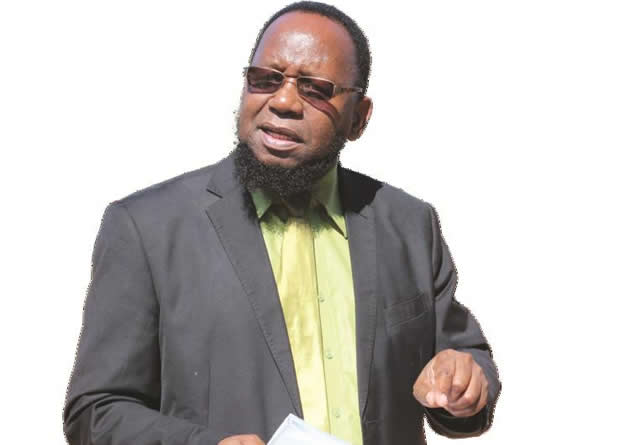
- Minister Dokora promises immediate action
- Union representatives decry red tape delays
 Harare Bureau
CIVIL servants will today engage the government over non-payment of their salaries after the employer instituted an audit that saw thousands struck off the payroll.
Half of the 3,000 government workers not getting their salaries since July are said to be teachers.
Some of the civil servants who were not at their work stations when the audit was conducted in April were deemed ghost workers.
Yesterday Primary and Secondary Education Minister Lazarus Dokora told teachers attending the Zimbabwe Teachers Association annual conference in Harare that his ministry was engaging the Ministry of Public Service, Labour and Social Welfare over the matter.
He said the ministry also wanted to know why some of the teachers were struck off the payroll.
“The move has also affected students. What will happen to the students whose parents have been struck off the payroll? We’re working on establishing how ghostly the ghost workers are. The process is almost complete. The head count was done by the Civil Service Commission. The hardship experienced due to the job losses has also affected staff from head office,” said Dokora.
“This is an area of concern to us. If we confirm that there are persons who were paid government salaries and don’t exist, it’s a crime,” he said.
Civil servants unions told our Harare Bureau yesterday that red tape was making it difficult for the affected workers to have their papers processed and salaries reinstated.
The government directed the affected workers to submit affidavits signed by their heads of department detailing their whereabouts at the time of the audit.
Zimbabwe Teachers Association chief executive Sifiso Ndlovu said most of the affected members had submitted the relevant documentation but the government had remained mum on their status.
“Teachers who were on study leave, maternity leave, or other official assignments during the head count, have since submitted the required documentation to the relevant authorities but they’re yet to get their salaries since July,” he said.
“Tomorrow (today) we’ll demand an explanation from the government at a meeting that’s expected to clear the air on the status of the affected civil servants. We’ll hear the government’s position on the workers who had genuine reasons to be away during the audit.”
The audit report revealed that some civil servants were drawing salaries without setting foot at their workstations while some schools were manned by two headmasters.
People who left the civil service years ago were still drawing salaries while some went on leave without signing any documents.
Progressive Teachers Union of Zimbabwe secretary general Raymond Majongwe said while their members had complied with the conditions set by the employer, red tape in the government made it difficult for the papers to be processed swiftly.
“They (affected members) are submitting the required papers but some of the papers haven’t been deposited with the relevant authorities to have the salaries processed,” he said.
“The papers are taking long to be transferred from the district to the provincial level and eventually to head office. Some who submitted early this month have been told that their papers are not yet at head office. This is something that will take centre stage at tomorrow’s meeting.”
College Lecturers Association of Zimbabwe president David Dzatsunga said: “Members are going through the necessary steps. The problem is that no one has found joy even after submitting the required documentation.
“We’re meeting them and we hope they’ll clarify how we’re moving so that we pacify our members who’ve been unsettled by this move.”
Public Service, Labour and Social Welfare Minister Prisca Mupfumira is on record urging civil servants to prove their employment status.
She said the government was not retrenching or firing anyone but only wanted to establish and pay bona fide civil servants.
In one of the cases traced by the government, a former civil servant now based in Australia was still getting a salary.



 Online Reporter