admin
admin
Paidamoyo Chipunza in VICTORIA FALLS
Government has ordered all medical aid societies to pay gazetted medical tariffs with immediate effect or risk de-registration while consumers say the tariffs are not affordable.
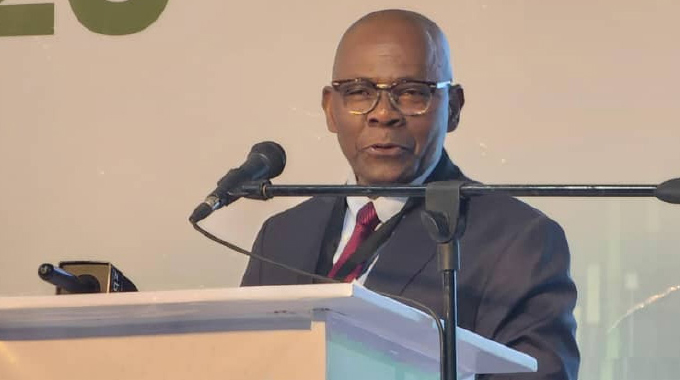
Officially opening the Association of Health Care Funders of Zimbabwe (AHFoZ) annual conference here yesterday, Health and Child Care Deputy Minister Dr Paul Chimedza, said Government took cognisance of the current operating environment and challenges affecting either side.
He said Government would always intervene as provided in the Statutes in order to protect the patient.
“The idea is not to drive any of the parties out of business or out of the country but we strive to strike a balance in line with our current macro-economic situation. We actually prefer no casualties and therefore still expect the involved parties to engage,” he said.
Dr Chimedza said service providers have officially approached Government for intervention following non-compliance by health funders.
“Very soon we will be calling in some medical aid societies who have failed to reimburse service providers at the gazetted tariffs. If they fail to give convincing explanations we will de-register them,” said Dr Chimedza. He said the societies would be given 14 days to pay up or face de-registration.
Dr Chimedza urged both medical aid societies and health service providers to continue negotiating on common tariffs.
He said Government was mooting ways of funding a National Health Insurance Scheme expected to cater for the majority of Zimbabweans, who do not have medical cover.
Speaking at the same occasion, Institute of People Management of Zimbabwe vice president Mr Simisani Makeba, said consumers felt betrayed by Government by allowing doctors to increase tariffs in a deflationary economic environment.
Mr Makeba said consumers were on the receiving end in the war between medical aid societies and service providers as they were left to pay co-payments, shortfalls and sometimes cash upfront.
“The intervention taken by the regulator (Government) was very controversial. It affects the consumer more than the doctors and the medical aid,” said Mr Makeba.
AHFoZ chief executive officer, Mrs Shylet Sanyanga, had earlier on recommended formation of an “expert group” to look into inflationary index in the country with a view to guide in the setting up of tariffs.
Mrs Sanyanga said the current economic environment could sustain any increase on subscriptions as it would remove members from medical aid schemes.
“In order to find a lasting solution to the issue of fees, it is recommended that the regulator establishes an expert group on tariffs. The expert group would determine an annual inflation index to be used to adjust tariffs annually,” she said.
Mrs Sanyanga also urged medical aid societies to come up with innovative schemes based on customers’ needs citing an example of Switzerland where medical aid did not cover health services such as dental.
Private Hospitals Association chairperson, Mrs Merisa Kambani, said the collapse of medical aid societies impacted negatively on their survival as well.
Government gazetted new medical tariffs in May, which saw an increase of general practitioners consultation fees from US$20 a visit to US$35 and from US$80 for specialist services to US$120.
About 1,5 million people in Zimbabwe are on medical aid while 31 medical aid societies have been registered. Over 100 delegates from different medical aid societies and other stakeholders are attending the conference, which is running under the theme; “Healthcare puzzle: Retracing the steps and sustaining the momentum.”


 Online Reporter