peter
peter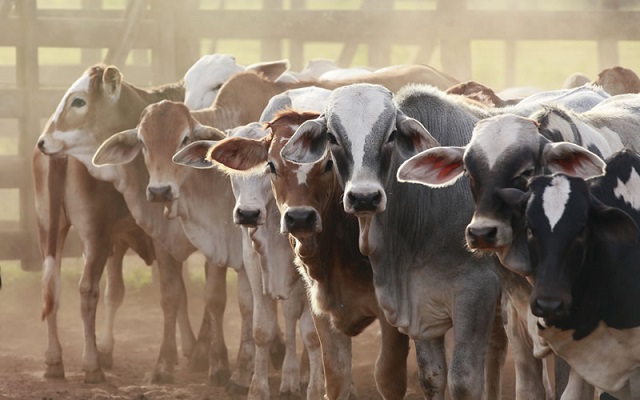
WE have just gone past November and still no meaningful rains have been received in most parts of the Matabeleland region and other drier regions of the country.
Ordinarily at this time of the year some rivers would have reached their banks and it would be wet all over but not this time around. The temperatures have also been unforgiving, further exacerbating the situation.
Inevitably animals have started dropping in droves and mortalities are recorded everyday due to poor health. Farmers are now busy trying to rescue animals either stuck in the mud of drying dams or simply failing to rise on its own due to poor condition.
Strips of dried meat are common sights in most rural households as farmers try to preserve the meat from animals dying of poverty deaths. Farmers are running all over the place looking for feed to give to their animals and save the situation. It’s a dire situation.
In normal years it would have rained already and there would be grass all over and many drinking points for animals. This is not a normal year and therefore it requires extra-ordinary intervention from all concerned, the farmer, private sector and the Government.
Now would be the right time for the Government working together with the private sector, to provide stock feed at the farmer’s access point. This could be at ward centres and farmers collect and save their animals.
The feed could be something as simple as hay bales with molasses or commercial feed itself. The Government can then work out modalities of recovering the cost from the farmer at a later date having saved loss of animals.

If no intervention is done and a week or two goes by with no rains received, the livestock losses will be calamitous, and we will be collating mortality figures for some months to come. We can heap the blame on the farmer for failing to plan despite all the early warning information provided and all the self evident drought signs, but now is not the time. Let’s save the situation and chastise the errant child later! It is no doubt a farmer’s responsibility to plan and prepare for such situations for his/her animals. However, it is not called a national herd for nothing. It is a national investment and it should be treated as such in terms of saving the situation.
Non-Governmental Organisations with an interest in livestock production should also come in and prevent a total wiping of the Matabeleland herd by the drought. The call is for powers that be, in their important different spaces, to act and save the situation before it escalates into a massive loss of the national herd. It will be extremely helpful now if the Government could move massive quantities of hay bales from places of abundance like Mashonaland areas to drier and needy areas like Matabeleland.
If these are brought closer, farmers can actually buy and save their animals because what tends to happen is that at the peak of the dry season like now, even simple feed like hay bales become scarce in traditional feed stores. Commercial feed become even more exorbitant, in fact, a bag of stock feed in some rural shops is now selling at $25.
Farmer unions also need to play a vital role under such situations, activating their structures like commodity associations to aggregate farmers and make bulk purchases of feed. It is in such times of need that farmers’ unions should come to the party and show relevance and thereafter you will have very loyal and pliable members.
Uyabonga umntakaMaKhumalo.
Mhlupheki Dube is a livestock specialist and farmer. He writes in his own capacity. Feedback cell 0772851275


 Online Reporter