Online Reporter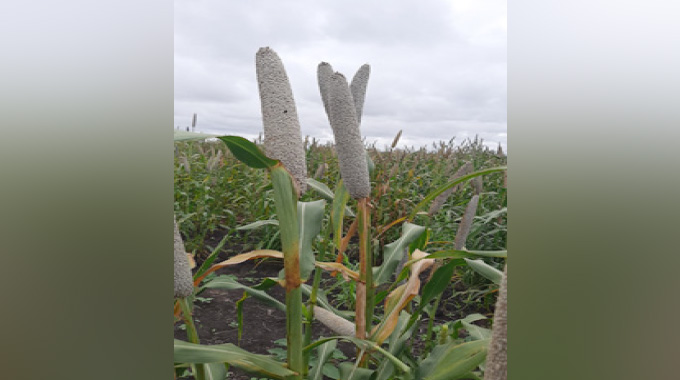
Albert Tsindi, Angeline Mujeyi and Martin Moyo
Zimbabwe, like many other countries in sub-Saharan Africa, faces significant challenges related to micronutrient malnutrition. According to Unicef, the prevalence of Iron deficiency among women and children is alarmingly high with about 72% of children and 69% of women of child bearing age affected by iron deficiency. The major cause is consumption of diets with low levels of Iron, which can result in impaired cognitive development, reduced productivity, and increased morbidity and mortality. Other micronutrients like zinc and calcium remain low in diets of ordinary Zimbabweans, especially the small-scale farmers in low rainfall areas, leading to widespread Hidden Hunger.
The International Crops Research Institute for Semi-Arid Tropics (Icrisat) in collaboration with Harvest Plus and Crop Breeding Institute (CBI) is exploring one of the solutions to reduce malnutrition, which is biofortification of staple crops.
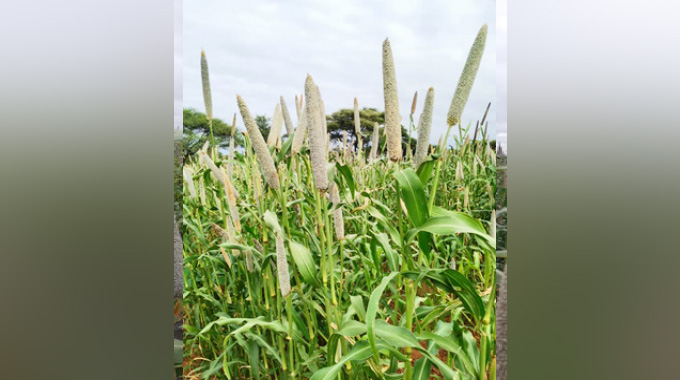
Biofortification in this case involves improving the nutritional quality of crops through breeding. Pearl millet, a key staple in these dry regions due to its resilience, offers great potential. Enhancing the micronutrients of pearl millet can help address widespread micronutrient deficiency. Icrisat and partners are developing pearl millet varieties with enhanced levels of Iron and other micronutrients for small scale farmers in Zimbabwe.
Biofortification, the process of breeding crops to enhance their micronutrient content, offers a sustainable solution to micronutrient malnutrition. Biofortification is one of four high impact interventions in response to micronutrient malnutrition. The other interventions include,
ν Commercial fortification: micronutrients are added to foods during processing, such as iodised salt or fortified cooking oils
n Supplementation: Providing micronutrient supplements to specific populations, such as pregnant women or children.
ν Dietary diversity: Consuming a variety of foods from different food groups, to obtain a broad range of essential nutrients.
Unlike other methods of fortification, biofortification, especially of pearl millet, a major traditional crop among small holder farmers in dry areas of Zimbabwe is very sustainable. Some of the main reason for biofortifying pearl millet for farmers are;
Biofortified crops can be grown by smallholder farmers in rural areas, where access to commercially fortified foods may be limited.
Biofortification is cost-effective because it requires a one-time investment, after which the micronutrient-dense seeds can be multiplied and disseminated to farmers at a relatively low cost.
Biofortified crops are sustainable as they can be grown and consumed over generations, providing a long-term solution to micronutrient malnutrition.
Icrisat believes that biofortifying pearl millet in Zimbabwe, will transform nutrition amongst the most vulnerable communities that are prone to malnutrition, including pregnant and lactating women as well as children under the age of five. Icrisat is currently leading a project titled: “Improving food, nutritional and income security of small-holder farmers in the Arid and Semi-Arid Lands (Asal) of Zimbabwe through high-yielding iron-dense pearl millet varieties”.
This project aims to release several nutrient dense varieties of pearl millet over the next five years. The project is being rolled out in collaboration with Harvest Plus and Crop Breeding Institution with financial support from Grow Further. Research is at an advanced stage, and four varieties have been identified to be performing well across different regions of Zimbabwe.
Farmers have been actively involved in evaluating the different pearl millet varieties and have selected those best adapted to their regions with high yield potential. At least two of the identified varieties are expected to be formerly released for commercial cultivation by small holder farmers this year. These will be the first biofortified pearl millet varieties in Zimbabwe, marking a key milestone in fighting micronutrient malnutrition.
This initiative introduces iron-rich, drought-tolerant pearl millet varieties that thrive in arid conditions while addressing widespread nutritional deficiencies. The goal is to reach and have the varieties reach more 100,000 farmers in Zimbabwe.
A proven track record
In India, biofortified pearl millet varieties developed by Icrisat have already shown promising results. The variety Dhanashakti, released in 2014, has reached more than 90 000 farmers, demonstrating the potential of biofortification in improving nutrition. Similarly, in West Africa, high-iron pearl millet varieties from Icrisat like Chakti and GB8735 have been developed and have been playing pivotal roles in reducing micronutrient deficiencies. Promising new varieties expected to be released before the end of the year further contribute to addressing hidden hunger among farming communities.
Benefits for Zimbabwe
The introduction of biofortified pearl millet in Zimbabwe is expected to significantly improve food and nutrition security. With more than 70% of women and children suffering from iron deficiency, this crop can play a vital role in reducing micronutrient malnutrition. Additionally, pearl millet’s natural drought tolerance makes it a climate smart option for farmers adapting to the impacts of climate change.
Empowering Farmers
By adopting biofortified pearl millet, Zimbabwean farmers can improve yields, enhance household nutrition, and strengthen their resilience to climate change. This initiative has the potential to transform the lives of smallholder farmers, particularly in rural areas, and contribute to a food and nutrition secure future for Zimbabwe. As the country continues to battle malnutrition and food insecurity, biofortified pearl millet offers a beacon of hope. With its proven track record in India and West Africa, this crop is well positioned to make a significant impact in Zimbabwe, improving the health and well-being of its people.