Online Reporter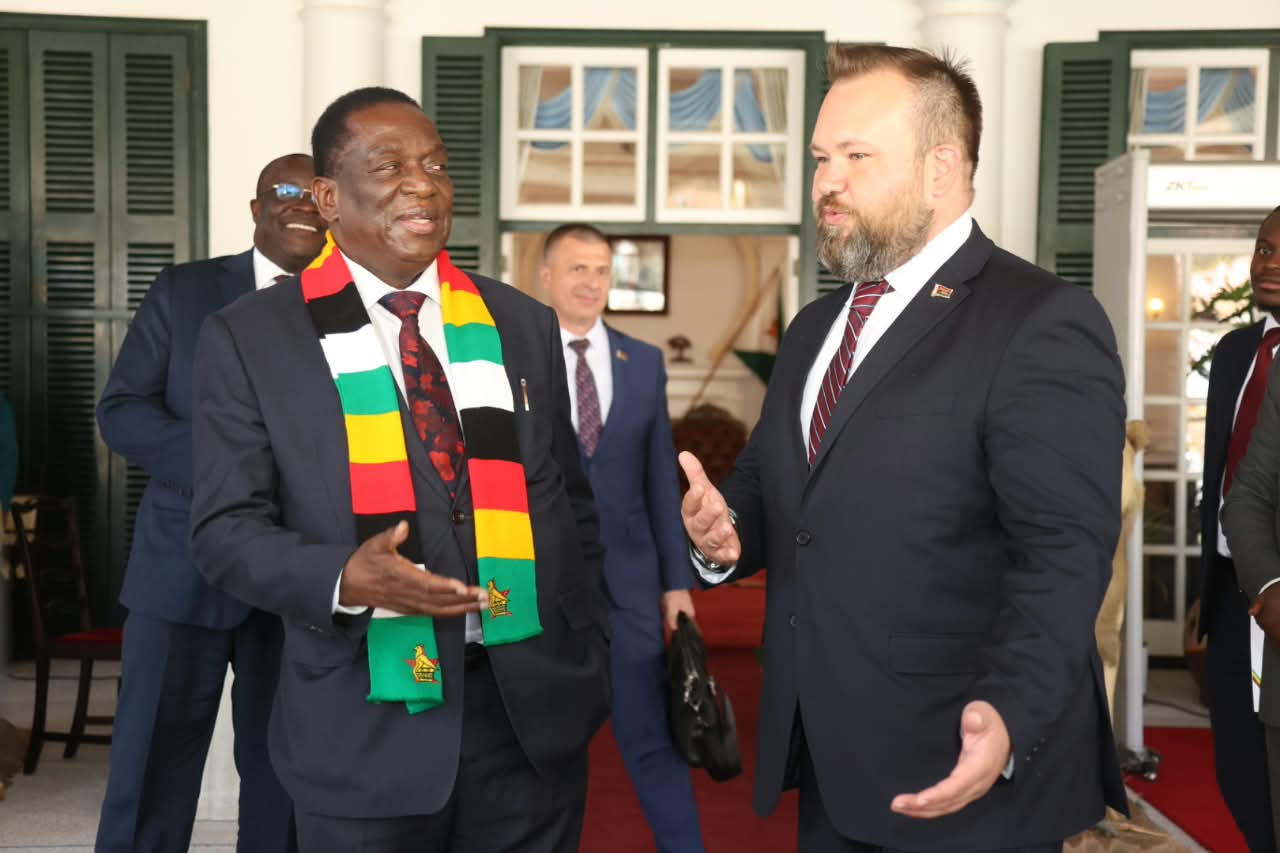
Wallace Ruzvidzo [email protected]
THE Second Republic will confront the challenges facing Zimbabweans transparently and decisively as the country enters its next phase of national development, President Mnangagwa has said.
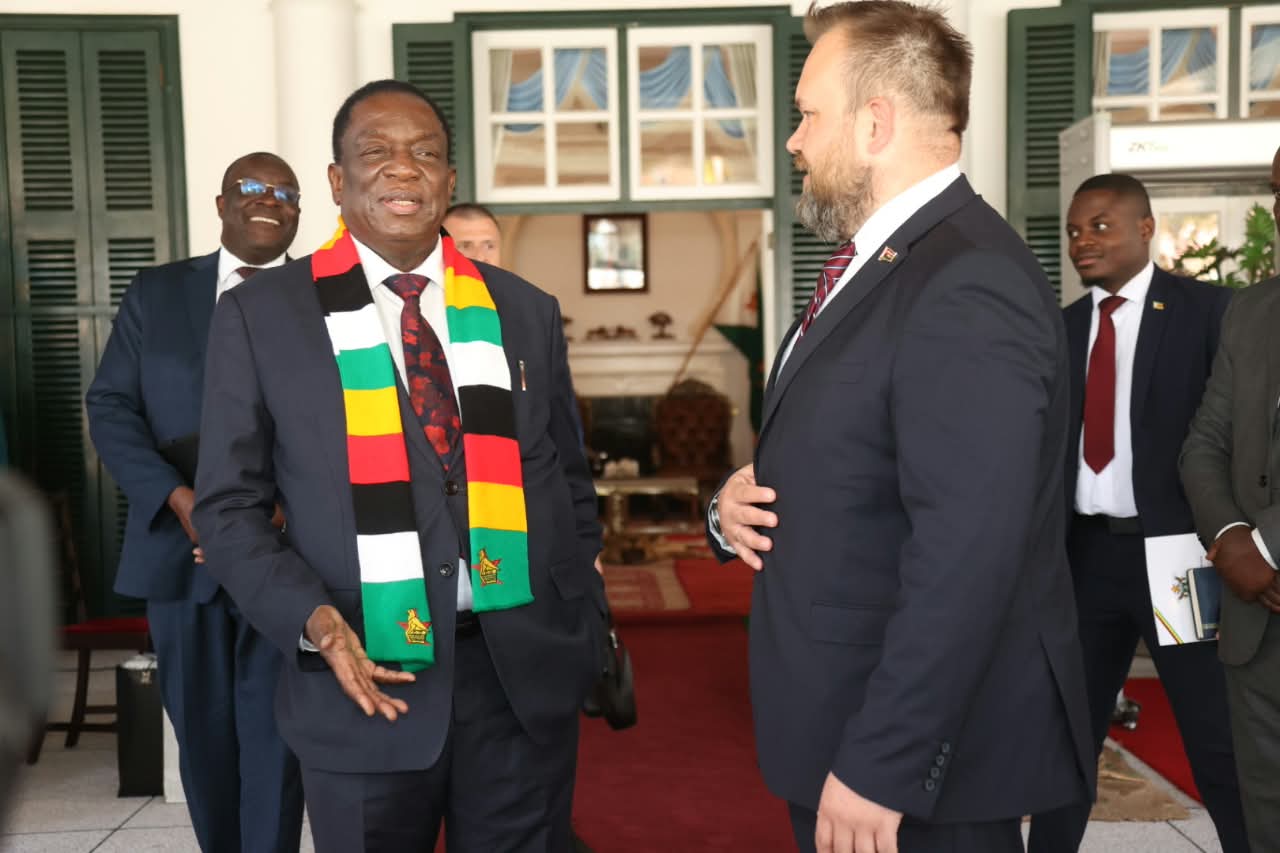
In a wide-ranging interview with Belarusian National Television at State House in Harare yesterday, President Mnangagwa said his administration’s approach to governance was centred on responding to the needs of citizens rather than relying on assumptions by institutions.
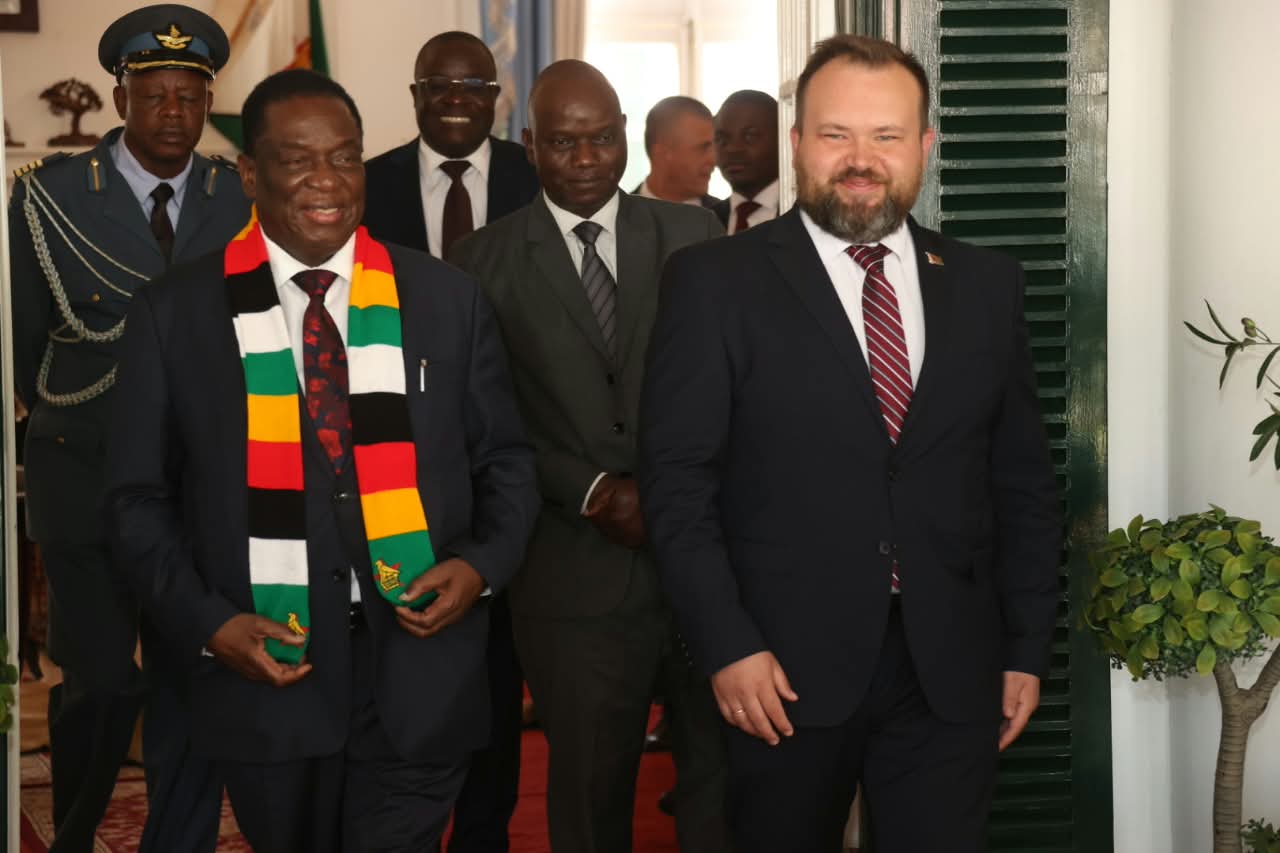
“Most importantly, we must make sure that we listen to the needs of our people, the ordinary person in the countryside, the people in the urban areas, what are their needs,” he said, adding that
Government will continually adjust to “the needs of the times.”
President Mnangagwa said the Second Republic would “always make sure we listen, we hear the desires and the needs and the expectations of our people”.
“Well, what is critically important is that as a nation, as a people, we deal with that which faces us, which needs to be addressed. We always make sure we listen; we hear the desires and the needs and the expectations of our people.
“That’s what we do, and we do our utmost to achieve and accomplish. I know that we cannot satisfy every individual, but collectively as a group and as a leadership, we do our best to serve the needs of our people,” he said.
President Mnangagwa said his administration recognised that the country’s demographic and social dynamics were constantly changing, requiring Government to remain responsive to citizens’ evolving needs.
“The youth demography must be attended to; their interests, their aspirations continue to differ from year to year. So as a Government and as a leadership, we give them an ear so that we make sure we address and we adapt to the needs of the times,” he said.
The President said Government would not only respond to challenges as they emerge but would also anticipate how changing social and economic realities influence public expectations and priorities.
He also addressed the issue of credit for national achievements, dismissing suggestions that progress could be attributed to a single individual.
President Mnangagwa said his political journey, like Zimbabwe’s broader national history, had been shaped by prevailing circumstances and the demands of each period.
“Well, I don’t think that what has happened in the entire journey of my career in my party, or the struggle of our country, I one day said, ‘I was determined to do what I had to do’, circumstances make you do the things that you do.
“At each time in history, challenges come and on the basis of the challenges that you face, you do your best to surmount those challenges. So I don’t think that anything that we have achieved can be attributed to an individual. I always believe in the collective effort through my party ZANU PF and of course the entire population of our country,” he said.
On his close relationship with Belarusian President Aleksandr Lukashenko, President Mnangagwa said their ties were built on both personal friendship and strong State-to-State cooperation.
“The relationship that has developed between Belarus and Zimbabwe, but especially between the two Presidents, myself and my brother, is very comfortable. We share a lot, but at the end of the day, Zimbabwe benefits because Belarus is more developed than us,” he said.
President Mnangagwa said Zimbabwe was fortunate to have a development partner such as Belarus, which continues to support the country’s socio-economic transformation efforts.
Zimbabwe and Belarus enjoy growing strategic and economic relations underpinned by high-level engagements between Presidents Mnangagwa and Lukashenko.
Cooperation between the two countries has largely focused on agricultural mechanisation, trade, defence and diplomatic cooperation, including support against illegal Western sanctions.
“And also, we have our people, our young people going to your country (Belarus) to receive education and training in various fields and this benefits us in terms of acquiring these skills to develop our own country. We are a developing third world country and we are lucky that we have a country like Belarus that facilitates and helps us develop in various areas, especially in the economic subsector of our endeavour,” he said.
Asked whether mechanisation agreements signed between the two countries were being implemented on the ground, President Mnangagwa said the programme was already yielding visible results across the country.
“In all our provinces, wherever you go, you find Belarus tractors”, he said adding that even he has two Belarusian tractors and other machinery at his farm. If you go to my farm, from the combine harvester to tractors, most of them are Belarusian machinery, and they are very popular in this country,” President Mnangagwa said.
Responding to a question on how Zimbabwe had navigated the effects of Western-imposed sanctions, the President said the country had adopted a self-reliance approach anchored on home-grown solutions.
“And we don’t need to go to other countries to ask them to feed our people. We make sure we say to ourselves, our people, family by family, village by village, district by district, province by province, that the burden to feed ourselves is upon ourselves. The burden to develop our country is upon ourselves. Other people can only come and assist, but the primary task and burden rests on our own shoulders; a country can only be developed by its own people, not by foreign people,” he said.
President Mnangagwa said that despite global tensions, his primary focus remained Zimbabwe’s development and ensuring that young people remained engaged, patriotic and committed to the country’s future.
He said Zimbabwe would continue investing in youth development through education and skills training, while leveraging partnerships with friendly nations to expand learning and capacity-building opportunities.
“Let me assure you that when I wake up, I’m not thinking about global politics or global dynamics. I think about my country; what should we do to develop Zimbabwe? What should we do to make sure the younger generation is engaged? They have the will to save their country. They must be patriotic about their country. They must realise that they must develop their country on the basis of the endowments that the country has,” said President Mnangagwa.
He said his vision was for Zanu-PF’s development agenda to continue into the future, expressing confidence in the party’s younger leaders and their commitment to its ideology.
“I believe that even today, if the current leadership goes away, those who are behind us, the younger generation in the youth league, both in the women and youth leadership, the country will continue to grow and prosper. I’m so, so, so, so confident Zanu-PF will rule and rule, rule and rule,” he said.
Belarusian Ambassador to Zimbabwe Yury Nikalaichyk was also present during the interview.