Online Reporter
PERMANENT Secretary for Mines and Mining Development Dr Thomas Utete Wushe has called for greater participation by Zimbabweans in the mining industry, urging the formalisation of small-scale mining operations and increased investment in mineral beneficiation to ensure the country’s mineral wealth drives broader economic growth.
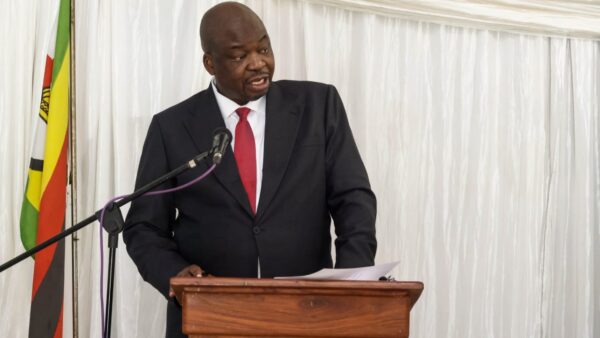
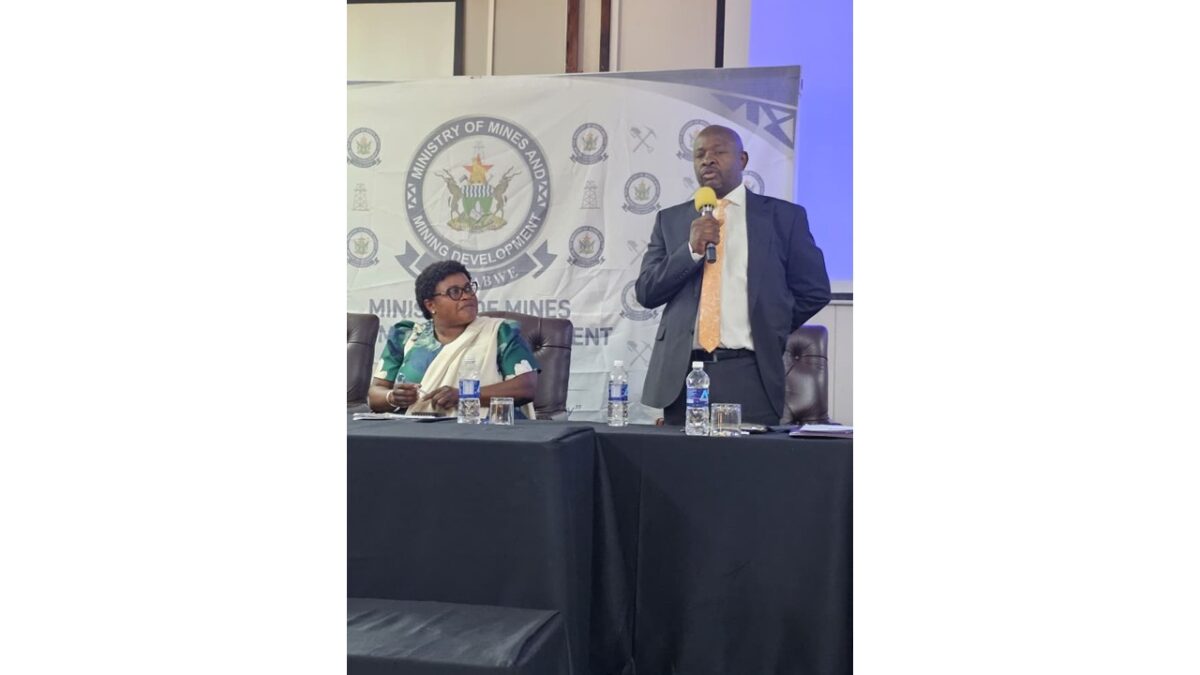
Addressing the Ministry’s 2027 Strategic Planning Workshop in Kadoma on Wednesday, Dr Wushe said the mining sector must be transformed into a stronger engine of economic development through investment partnerships, formalisation of small-scale operations and value addition.
He challenged the Ministry to transform small-scale mining from a livelihood safety net into a formal growth engine capable of contributing more meaningfully to national development.
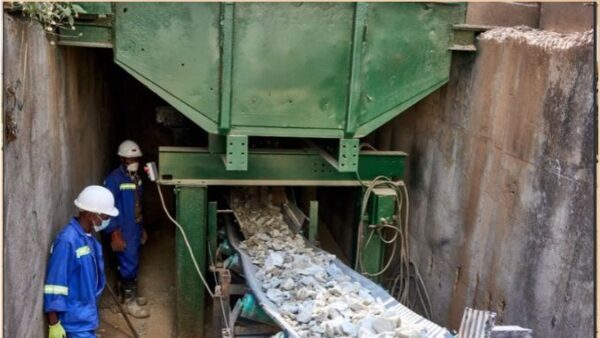
The Permanent Secretary said the country needed to create an environment that enabled local entrepreneurs, businesses and miners to participate across the mining value chain, including mineral processing, transportation, engineering and equipment supply.
He said the Ministry must refocus on its core responsibilities while accelerating reforms to strengthen the sector’s performance.
“As we look to 2027, our direction is clear: we are going back to our core mandates that we abandoned. We are returning to the fundamentals to ensure we deliver on our promises,” he said.
Dr Wushe also underscored the importance of mobilising resources through stronger collaboration with State enterprises, private-sector investment and expanded domestic and international partnerships.
His remarks come as Government seeks to increase the mining sector’s contribution to economic growth under the National Development Strategy 2 (NDS2) and Vision 2030.
According to Dr Wushe, mining contributes 14,5 percent to the country’s Gross Domestic Product and accounts for more than 76 percent of export earnings.
The Ministry is targeting mineral export earnings of between US$13 billion and US$15 billion, a goal that requires increased production, investment and greater value addition.
Dr Wushe said the country’s mineral resources must translate into tangible benefits for citizens through job creation, industrial development and improved livelihoods in mining communities.
“His Excellency the President has challenged us that every tonne extracted must translate into jobs, industries and transformed communities,” he said.
He emphasised that beneficiation and value addition should move beyond policy pronouncements and become measurable activities that support industrial growth.
Greater local participation in mineral processing and downstream industries would enable Zimbabwean businesses to capture more value from the country’s mineral resources instead of relying predominantly on the export of raw minerals.
The Permanent Secretary also identified environmental protection as a key priority, calling for stronger collaboration with the Environmental Management Agency to improve compliance across the mining sector.
He said formalising small-scale mining was particularly important in strengthening environmental accountability while promoting organised and sustainable mineral production.
Dr Wushe challenged Ministry departments to develop concrete, adequately resourced implementation plans for 2027, saying strategic objectives must be translated into measurable results.
The workshop forms part of the Ministry’s broader 2026–2030 Strategic Plan, which prioritises improved governance, mining-sector growth, environmental protection and an enhanced investment climate.
As the Ministry prepares its 2027 Annual Plan, the focus will be on translating commitments on formalisation, beneficiation and investment into practical interventions that broaden local participation and ensure mining contributes more meaningfully to national development.
Dr Wushe urged officials to ensure that the workshop produced actionable commitments rather than resolutions that remained on paper.
“Let us get to work. Let us deliver,” he said.