Timothy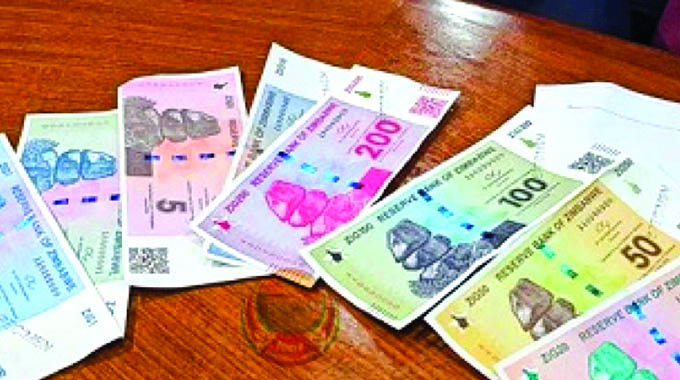
Economy Uncensored with Tapiwanashe Mangwiro
The issue of the week is one we have talked about before, but enquiries have continued to come from you to ask where is the ZWG? Many have said they have never held a coin or a note in their hand since the new currency was launched in April.
As was requested, further research into the matter was done, as the goal was to clarify what might be happening with local currency cash to which some colleagues added insights.
It is not a secret that in recent months, Zimbabweans have faced an unusual predicament. Despite assurances from the Reserve Bank of Zimbabwe (RBZ) Governor, Dr John Mushayavanhu, that the newly introduced Zimbabwe Gold (ZWG) currency has been adequately distributed to banks, citizens are increasingly frustrated by a perceived shortage of cash.
This conundrum has led to widespread difficulties in obtaining change for everyday transactions, igniting a debate about the actual state of cash flow in the economy.
The reluctance to withdraw cash has caused practical challenges in the marketplace.
Vendors and small businesses, which typically rely on cash transactions, are finding it difficult to provide change. This difficulty is not due to a lack of money per se but a lack of physical cash in circulation among consumers.
Having a discussion with an analyst friend on the shortage of notes and coins, he had his insights on the issue which I believe might also help understand the position that we are in.
“So, there are two basic things there. Number one, the economy is dollarised and more than 90 percent of economic activity or transactions within the economy are happening in USD terms and the ZWG economy is only around 10 percent or less.
“The activity there is limited, that is number one. Number two, the ZWG in circulation is also limited according to public information they are talking of 46 million ZWG, with 75 percent being in notes, that is the 10 ZWGs and 25 percent being in coins.
“No wonder why it’s very difficult to get change in the form of coins these days or in the form of 10 ZWGs. It is because the ZWG in circulation is too limited because it only amounts to just US$3,4 million.
The RBZ maintains that banking institutions across Zimbabwe have received ample supplies of the ZWG currency from the RBZ.
“We have disbursed the cash, but there seems to be a clear reluctance from banking population to withdraw it,” said the Bank.
This trend is understandable given the past experiences of Zimbabweans with cash shortages.
The reluctance to withdraw cash is not merely a matter of convenience but a reflection of deeper issues within the financial system.
Despite the RBZ’s efforts to promote the ZWG currency, many citizens remain wary, preferring to rely on electronic transactions.
This behaviour exacerbates the cash shortage, as physical currency remains trapped within banking systems instead of circulating through the economy.
This situation has caused great public inconvenience as many individuals, particularly those who are elderly, technologically challenged, or living in areas with limited digital infrastructure, the non-availability of cash poses significant inconveniences.
In rural or underdeveloped regions, where digital connectivity may be unreliable, cash remains a critical medium for day-to-day transactions.
The drip feeding of physical currency in such areas could exacerbate existing inequalities, leaving some segments of the population without a viable means to participate in the economy.
The verdict was that the currency is in shortage as there was a provision for introducing 50, 100 and 200 ZWG notes which would have increased the amount of cash in circulation, but they have not yet entered the market due to reasons only known to the central bank.
Additionally, the ZWG currency saga is a complex issue that goes beyond mere supply and demand. It highlights the significant behavioural shift towards cashless transactions that has taken root in Zimbabwe over the past decade.
While the RBZ has successfully infused cash into the banking system, it now faces the challenge of encouraging its actual use in everyday transactions.
Ultimately, the solution lies in balancing the benefits of a cashless society with the practicalities of cash-based transactions.
Until then, the mismatch between available cash in banks and cash in circulation is likely to persist, continuing to inconvenience many Zimbabweans in their daily lives. The RBZ, banks, and the public will need to work together to navigate this transitional period effectively.
Tapiwanashe Mangwiro is a resident economist with the Business Weekly and writes this in his own capacity. @willoe_tee on twitter and Tapiwanashe Willoe Mangwiro on LinkedIn


 Online Reporter