Online Reporter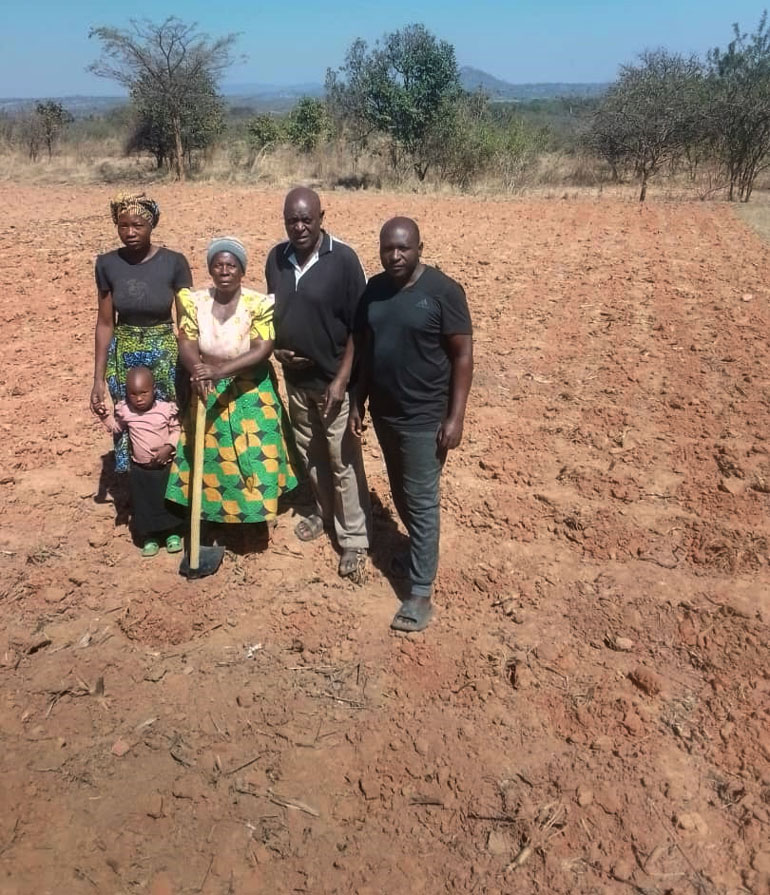
Lovemore Kadzura
Post Reporter
MANICALAND has significantly expanded its Pfumvudza/Intwasa programme ahead of the 2026/27 farming season as the Government intensifies efforts to protect households from the effects of drought and erratic rainfall associated with recurring El Niño-induced climate shocks.
The move is expected to strengthen household food security through climate-smart farming methods that promote moisture conservation, improve soil fertility and maximise yields from small pieces of land.
Buoyed by positive results recorded in previous seasons, the province has increased both the number of targeted households and planting plots under the conservation agriculture programme.
During the 2025/26 agricultural season, Manicaland Province targeted about 451 992 households and 1 365 576 maize plots, covering more than 85 000 hectares. The province achieved more than 1,6 million plots under Pfumvudza.
This season the province has set a target of 2 794 098 plots to be planted at 465 683 households across the province to culminate in 174 352 hectares as the Government intensifies efforts to boost cereal production.
The target per each district are as follows: Buhera 72 000 households, 432 000 plots and 26 956 hectares, Chimanimani (38 000 households, 228 000 plots and 14 227 ha), Chipinge (82 213 households, 493 278 plots and 30 780ha), Makoni (96 689 households, 580 134 and 36 200ha), Mutare (75 433 households, 452 598 plots and 28 242ha), Mutasa (53 590 households, 322 140 plots and 20 101ha) and Nyanga (47 658 households, 285 948 plots and 17 843ha).
Manicaland Provincial Agricultural and Rural Development Advisory Services (ARDS) director, Mr Nhamo Mudada, said preparation of the Pfumvudza plots are in full swing with farmers closely cooperating with extension officers.
He revealed that the plots are mainly concentrated in natural ecological regions three, four and five which experience excessive heat units which affect crop growth and ultimately yields.
“We have accelerated climate smart production to achieve better yields in the light of the projected El Nino drought. Our officers are working closely with farmers so that they increase the number of Pfumvudza plots. We are encouraging contour ridge construction and other soil and water management techniques.
“Farmers have heeded the call and preparation of the plots are in progress across the province. There are also livestock drought mitigation measures such as making sure that they have adequate grazing and water adequacy. Farmers should not burn grass but must do hay bailing. Disease control must be prioritised and vaccination and tick control must be intensified,” said Mr Mudada.
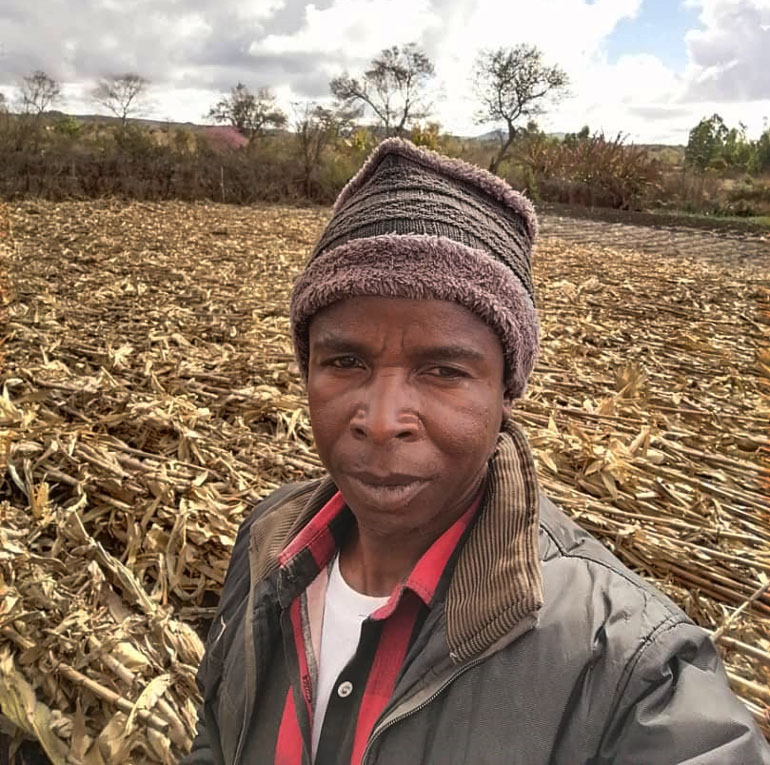
Mr Admire Musindo of Muringami Village in Buhera West, has already prepared five plots and intend to do seven this year.
“Last year, I had five plots, and we produced enough maize for my family of six. We also registered a surplus. Right now, I have finished preparing four plots and by the time of inputs distribution, I would have done seven plots. I am also preparing compost made of leaves, molasses, ashes and yeast. With this fertiliser under Pfumvudza model one does not need to buy the expensive fertilisers.
“Currently, we are using manual system to prepare the plots. We are making savings to buy small machinery so that we move from manual labour. Besides growing maize, we also grow sesame under contract and white rapoko. Sesame is good for my road-runner chicken project and peanut butter making,” he said.
Another Buhera-based farmer, Mr Hardlife Chamahwinya of Marume Village under Chief Makumbe, whose family of 10 has doubled their plots from the five they did last year, said they recorded a decent harvest from the plots while the area done by draught power disappointed.
“My target this year is 10 plots and I have already prepared five. Last year, we prepared five plots, and we did another section on draught power which performed dismally. We realised an average of 17×50 bags of maize per each plot despite the very limited rains we received.
“The main challenge is that if a farmer delays to prepare the plots when the ground still has some moisture it will be hard to dig on a hard surface. The process is labour intensive. With the El-Nino coming, Pfumvudza is the only way to go for us who do not have irrigation. We also produce traditional grains and small grains.
“Fertilisers have gone up, and AN is going for US$53, while Compound D is going for US$33 which most communal farmer cannot afford,” he said.
Pfumvudza promotes conservation agriculture practices such as minimum soil disturbance, mulching and rainwater harvesting, allowing farmers to make better use of limited rainfall. The approach is particularly important in drought-prone areas, where prolonged dry spells can severely reduce conventional crop yields.