admin
admin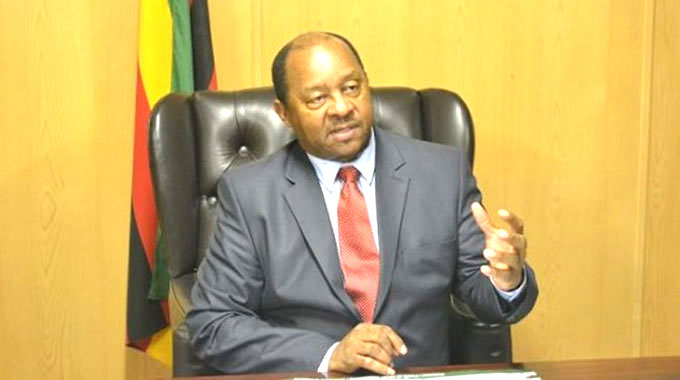
Oliver Kazunga, Senior Reporter
ZIMBABWE’s pharmaceutical industry is operating with a huge funding gap as it has received only US$600 000 out of US$50 million needed from the Reserve Bank since the inception of the Foreign Currency Allocation Committee early this year.
According to a second report on the state of the medicines and drugs supply in the country’s public health institutions tabled in Parliament by the Parliamentary Portfolio Committee on Health and Childcare last week, Zimbabwe owes about US$50 million to drug manufacturers outside the country.
Last year, the Portfolio Committee on Health and Childcare said the Reserve Bank of Zimbabwe (RBZ) allocated foreign currency on its own leading to diversion by the pharmaceutical industry which is buying non-essential drugs.
The Portfolio committee said this was because allocations were made based on the requests that came directly to the Central Bank.
“In order to mitigate against the abuse of funds by the beneficiaries in the pharmaceutical industry and to ensure the funds are used to procure essential drugs, the Ministry of Health and Childcare set up a Foreign Currency Allocation Committee (FCAC).
“The Minister of Health and Childcare (Obadiah Moyo) informed the committee that since its inception in February, the FCAC has only received US$600 000 leaving a huge gap of financing required to meet the needs of the pharmaceutical industry, retailers and wholesalers.
“At the time of the oral evidence, the Minister indicated that Zimbabwe owes about US$50 million to manufacturers outside the country,” it said.
As a result of the funding gap within the country’s pharmaceutical industry, since the last quarter of 2018, Zimbabwe continues to experience severe shortages of medicines across the board.
“However, the crisis has been more severe in the public than in private health institutions as most essential medicines and drugs for chronic ailments such as hypertension and diabetes are out of stock.
“Consequently, senior doctors at Parirenyatwa Group of Hospitals have been on record protesting over shortages of medicines and supplies as the situation became dire, putting lives of the patients at risk of preventable complications and deaths.
“During the oral evidence meeting on the 10th of April 2019, the Minister of Health and Child Care confirmed that the public health institutions in the country were in a dire state.
“He further stated that shortages of medicines and drugs, among other medical supplies, were being experienced right from the primary healthcare level to the tertiary institutions,” said the report.
Key players in Zimbabwe’s pharmaceutical industry are the manufacturing companies, importing wholesalers, distributors, National Pharmaceutical Company (Natpharm) and retailers.
At present, the major drug manufacturing companies in Zimbabwe are Varichem, Plus 5, CAPS, Datlabs and Pharmanova.
In the report, the Portfolio Committee said it was unfortunate that the state of equipment and manufacturing processes have affected local manufacturing firms’ ability to produce vital drugs and medicines.
At the time of the inquiry by the Portfolio Committee on Health and Childcare, capacity utilisation of the pharmaceutical industry was averaging below 40 percent primarily due to inadequate foreign currency allocations.
In the report, the Portfolio Committee recommended that the Ministry of Finance and Economic Development, going forward, should prioritise regular disbursement of foreign currency to the health sector to ensure adequate and consistent medicines and drugs supply to the public institutions.
It also recommended that the Government should prioritise the health sector and create an enabling environment that would promote the growth of the local pharmaceutical industry. – @okazunga


 Online Reporter