Online Reporter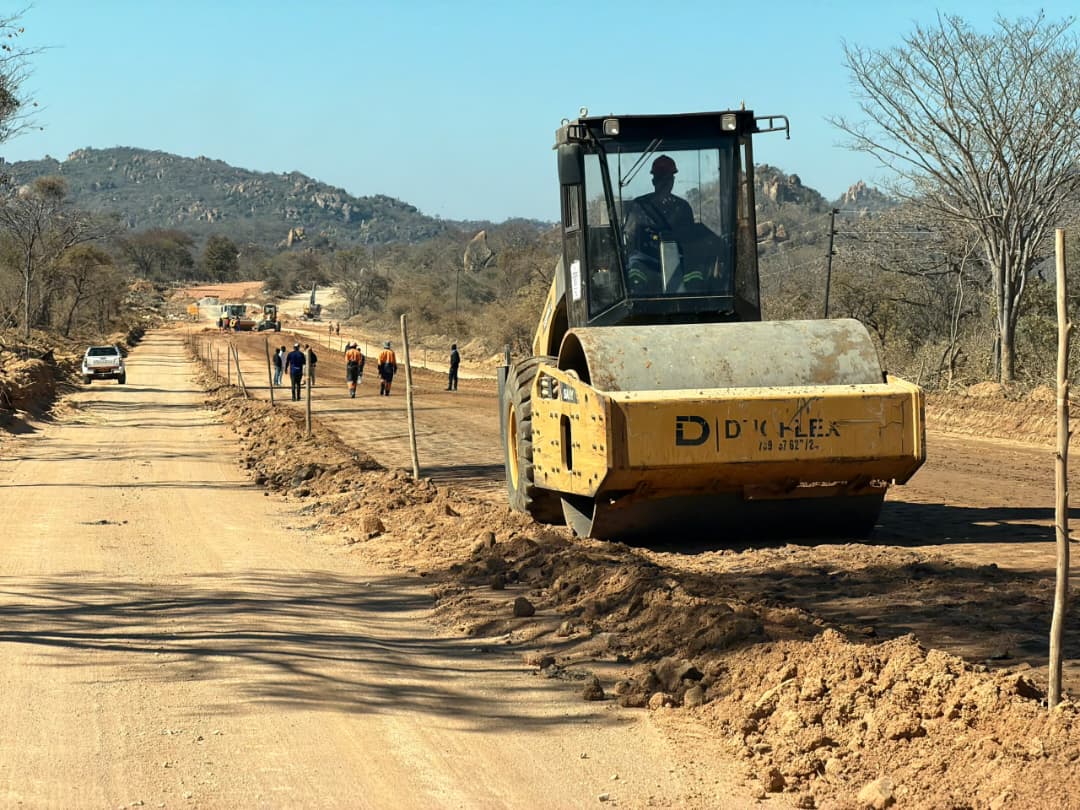
Eliah Saushoma
Zimbabwe’s roads are more than stretches of asphalt connecting towns and cities. They are the arteries through which people, goods, investment and opportunity move, linking communities to markets and industries.
As the country pursues Vision 2030, the condition of its road network remains central to efforts to improve connectivity, support economic activity and strengthen infrastructure.
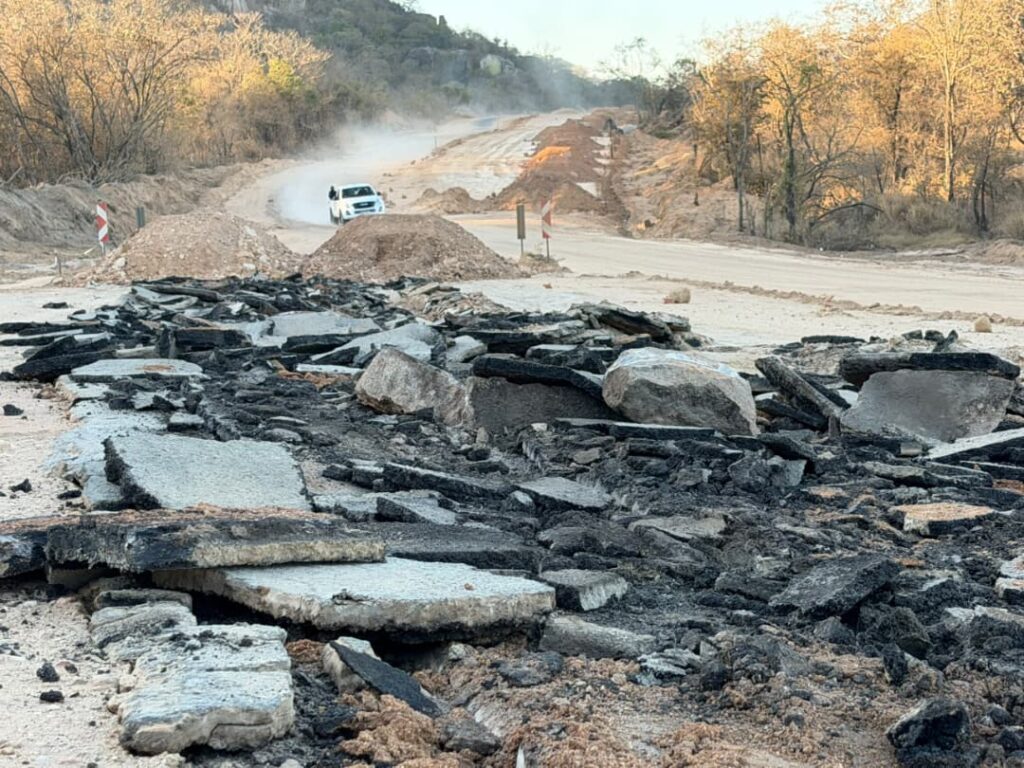
Across the country, ageing infrastructure, deteriorating road surfaces, congestion and maintenance backlogs continue to put pressure on motorists, businesses and road authorities.
For Zimbabwe to build a road network capable of supporting future growth, rehabilitation will need to be matched by quality construction, modern technology, skilled personnel, appropriate machinery and strong professional standards.
The process also requires collaboration between Government agencies, local authorities, contractors, engineers, financiers, developers and manufacturers.
For the construction industry, this presents an opportunity to strengthen local capacity, promote innovation, improve quality control and uphold professional and occupational safety standards.
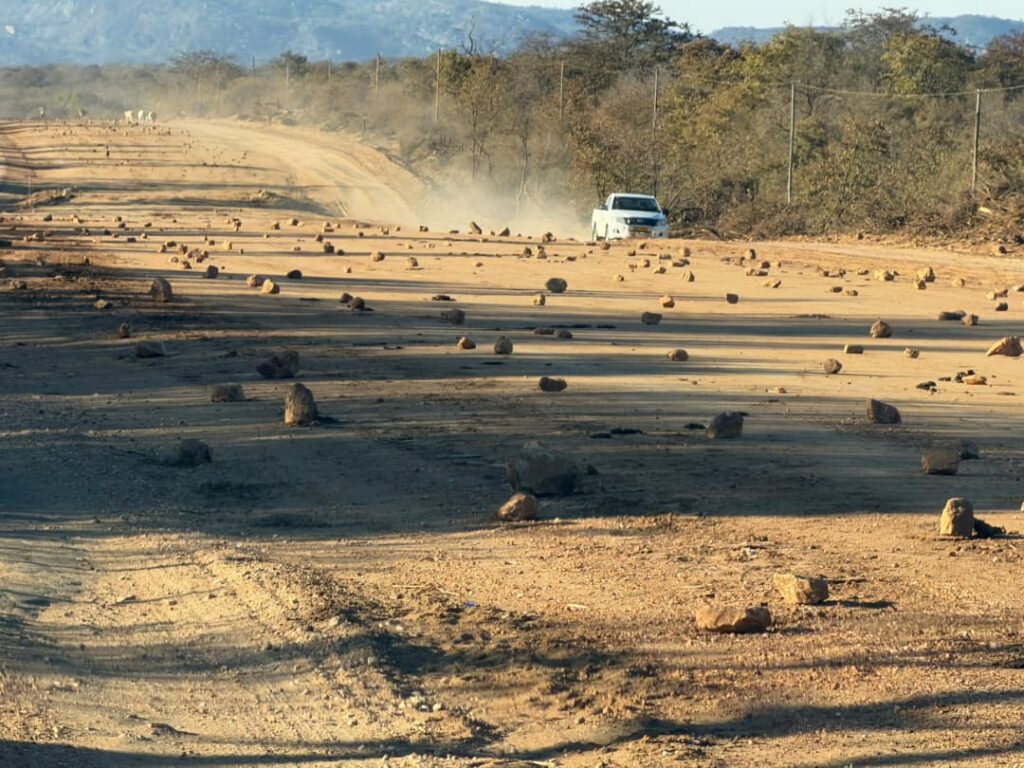
Recent visual documentation along the Bulawayo–Victoria Falls and Bulawayo–Maphisa corridors captures the contrasting realities of Zimbabwe’s road network — the scars left by years of heavy traffic and exposure to the elements, alongside the machinery and engineering activity being deployed to restore critical transport links.
These corridors are important transport routes, carrying haulage trucks, passenger vehicles and industrial traffic linked to sectors including mining, manufacturing, agriculture, tourism and construction.
On heavily worn and narrow sections, potholes, broken edges, ruts, patched surfaces and eroded shoulders reveal the pressure placed on the road network.
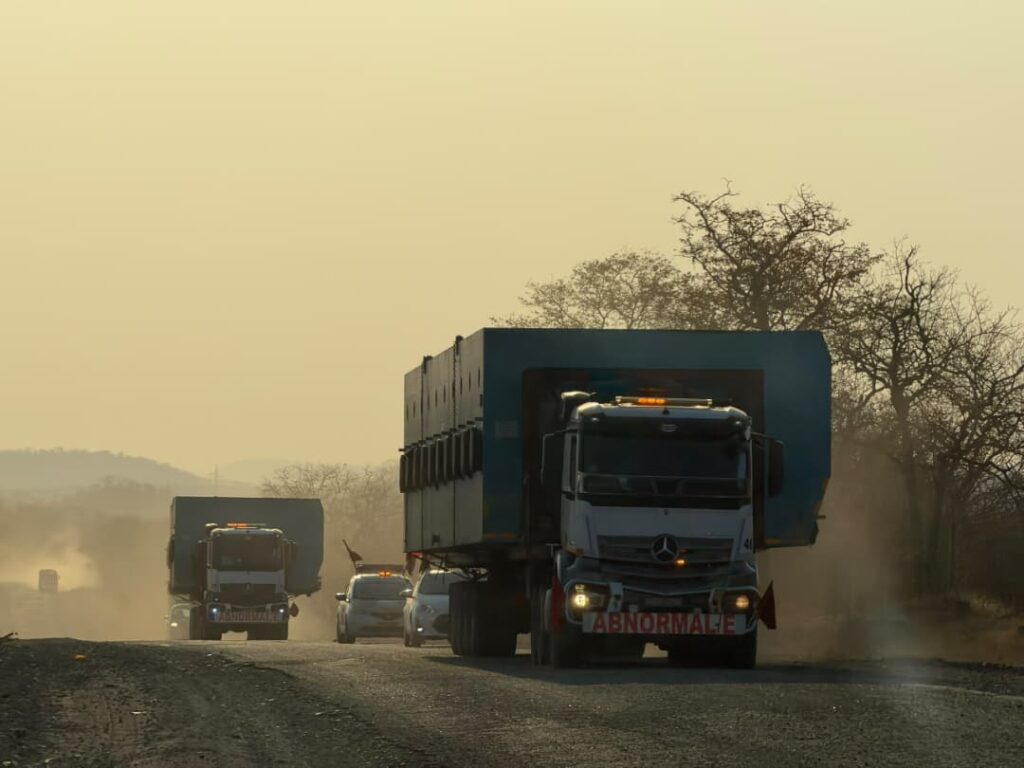
For motorists, deteriorating roads can mean slower journeys, increased vehicle wear and heightened safety concerns. For businesses, poor connectivity can contribute to delays and higher transport costs, while communities depend on reliable roads to access markets, schools, healthcare and other services.
For Bulawayo and the wider Matabeleland region, rehabilitation of these corridors carries significance beyond the road surface.
Improved connectivity can support the movement of agricultural produce, minerals, manufactured goods, construction materials and passengers while strengthening links between communities and markets.
Road rehabilitation is therefore not simply an engineering exercise. It is also about connectivity, productivity and economic opportunity.
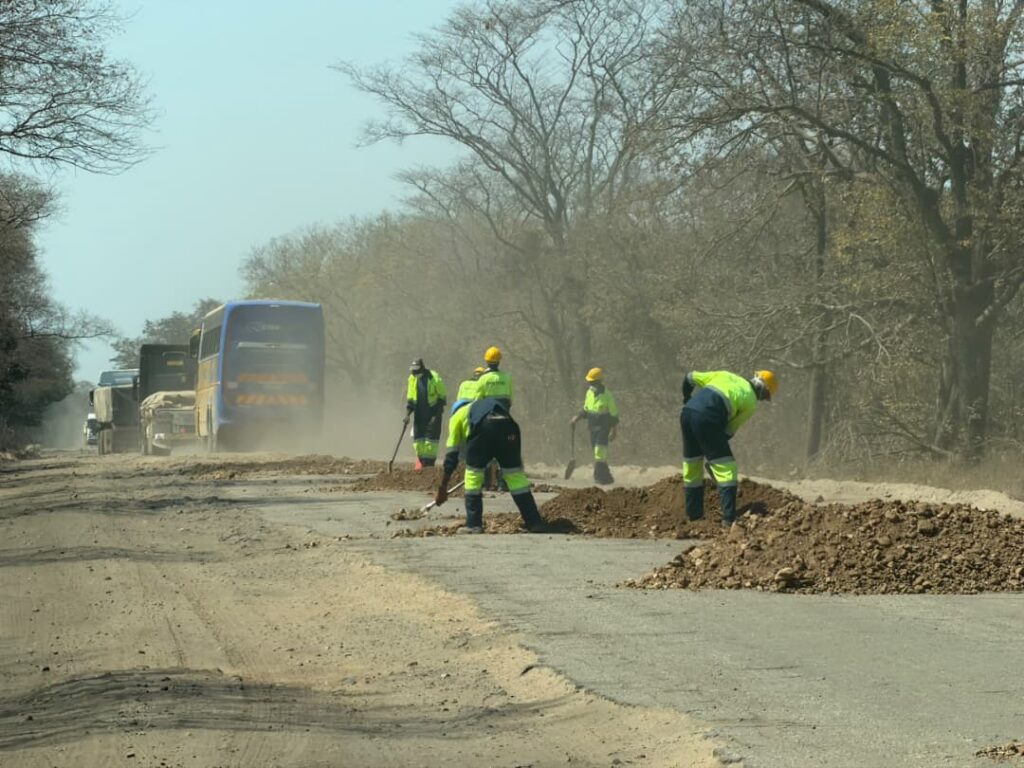
The heavy machinery now operating along these corridors offers a glimpse of the work required to restore infrastructure that has deteriorated and develop roads capable of supporting the demands of a growing economy.
Zimbabwe’s roads stand at an important juncture.
The challenge is to turn infrastructure plans into completed projects, temporary repairs into durable solutions and investment into measurable improvements for motorists, businesses and communities.
The destination is not simply better roads, but a more connected and resilient Zimbabwe, supported by infrastructure capable of carrying the country towards Vision 2030.