Eliah Saushoma
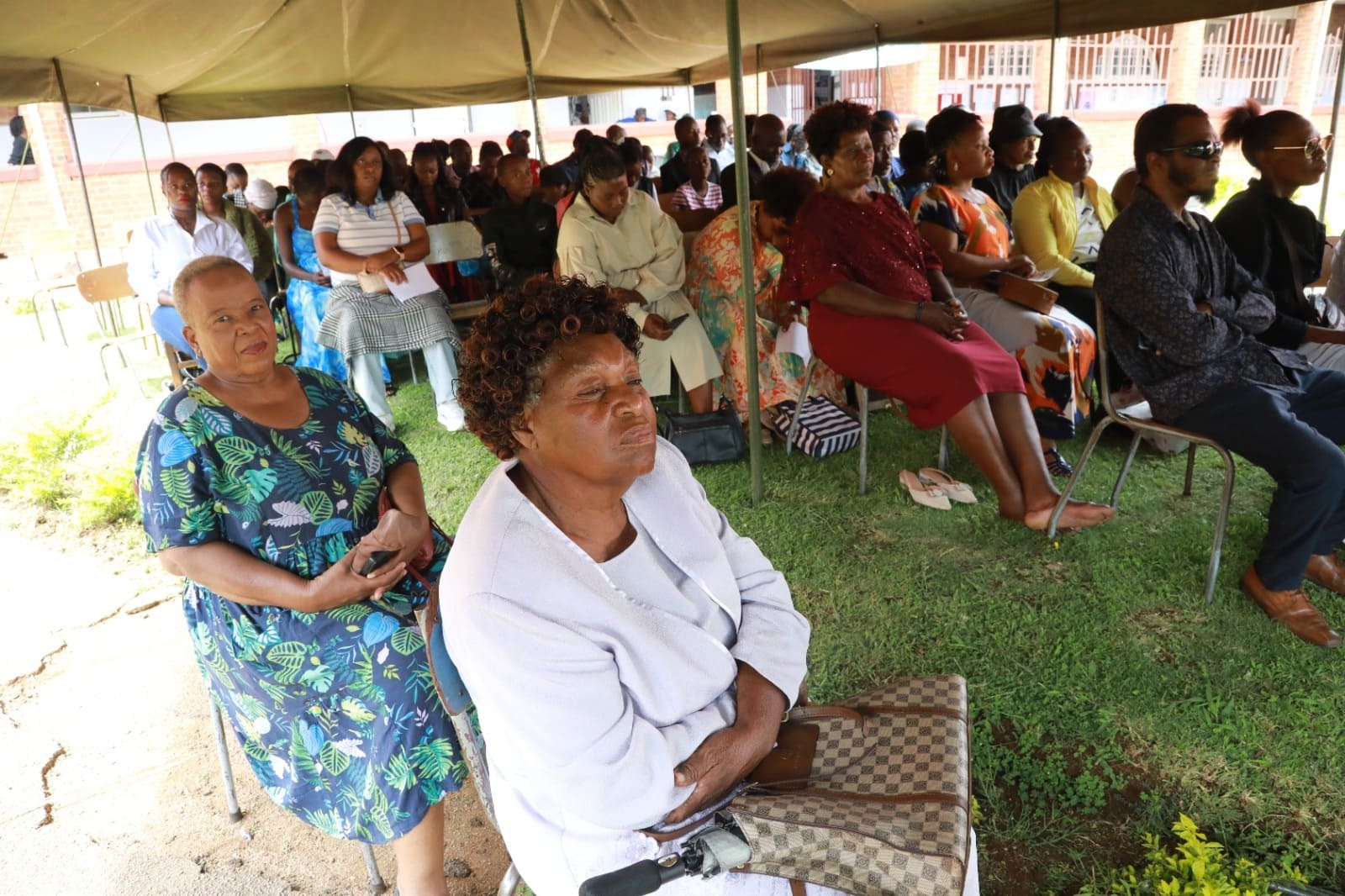
This photo gallery captures highlights from a school prize-giving ceremony and the commissioning of a new school bus, celebrating the collective achievements of learners, teachers, support staff and parents while reflecting on the shared responsibility of creating a thriving learning environment.

Quality education extends beyond classroom lessons, examinations and academic performance. It is built on a strong partnership between parents, teachers and learners, founded on trust, mutual respect and a shared commitment to excellence. Parents provide guidance, encouragement and moral support at home, while teachers nurture knowledge, critical thinking, discipline and creativity in the classroom. Learners, in turn, must embrace their responsibility through curiosity, dedication and active participation in their own development.

This partnership resonates with Zimbabwe’s Heritage-Based Curriculum and the broader Education 5.0 philosophy, which emphasise innovation, practical skills, problem-solving and the application of knowledge to real-life challenges. The ultimate goal is to nurture well-rounded, digitally literate and self-reliant citizens capable of contributing meaningfully to national development, industrialisation and community transformation.

However, creating an enabling environment for quality education requires the contribution of more than parents and classroom teachers. School administrators, non-teaching staff, education authorities, communities and other stakeholders all play an important role in ensuring that both learners and educators have the resources, facilities and support necessary to excel.
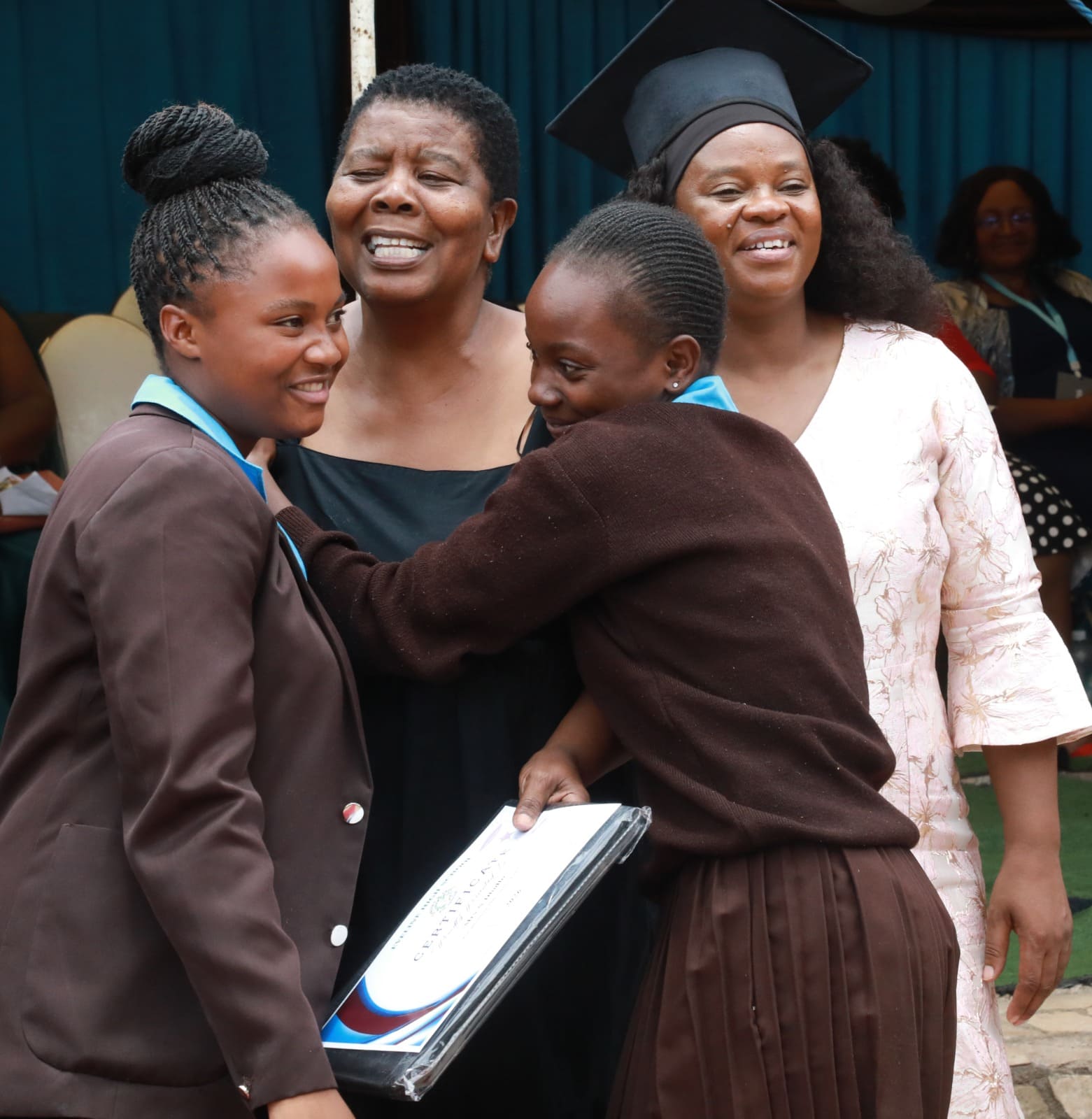
Milestones such as the commissioning of a school bus demonstrate how investment in school infrastructure and resources can strengthen the educational experience, while prize-giving ceremonies provide an opportunity to recognise hard work, celebrate achievement and motivate learners to reach greater heights.
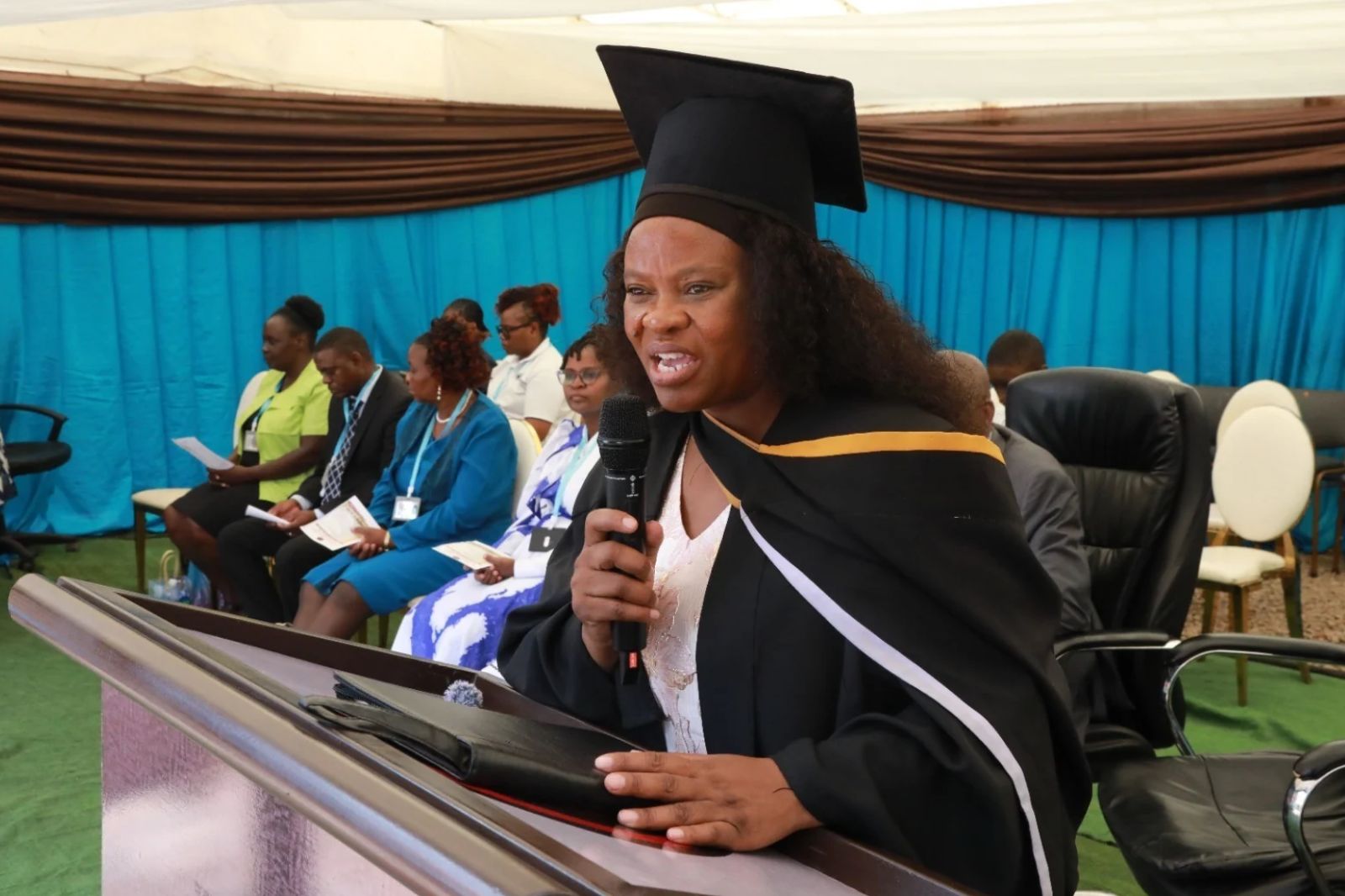
Ultimately, a successful school is built through collective effort. When parents are actively involved, teachers are supported, learners are motivated and communities take ownership of their schools, the entire education system benefits. It is through this shared responsibility that schools become not only centres of academic excellence but also foundations for responsible citizenship, social development and a brighter future.