ZIMPAPERS chief photographer Eliah Saushoma’s visceral images tell a story that figures and engineering reports alone cannot.
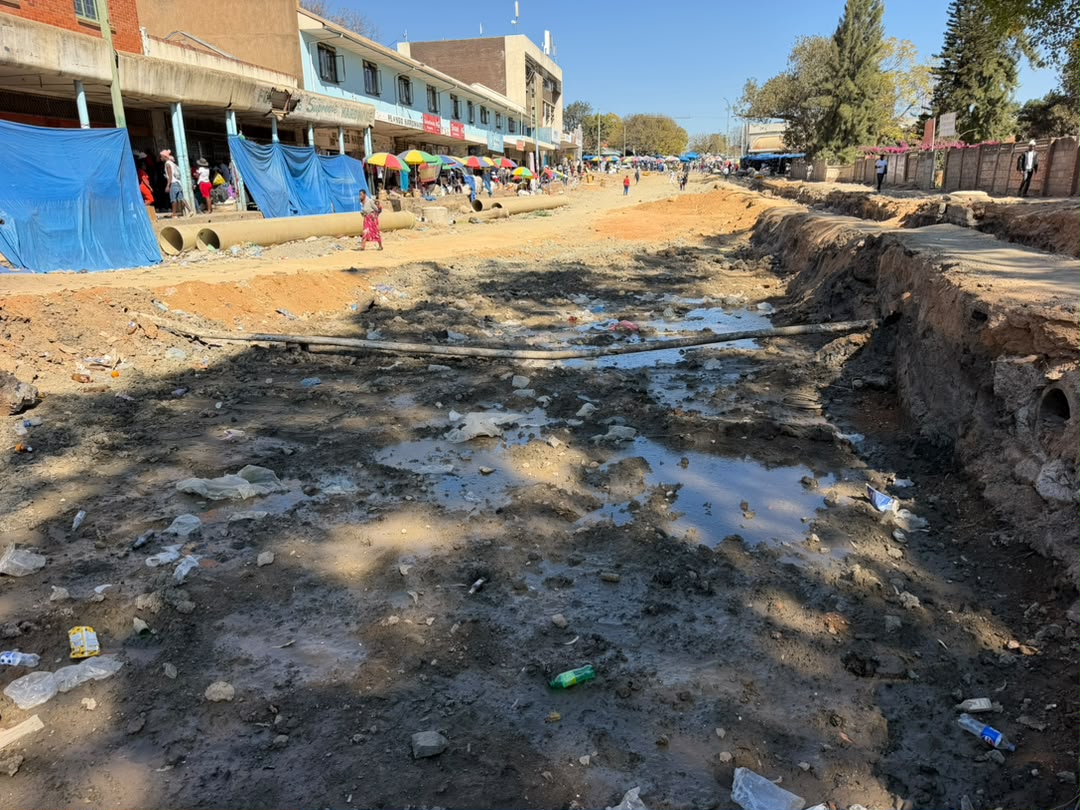
His lens has documented the staggering scale of the US$1.5 million transformation of Lobengula Street, capturing one of Bulawayo’s busiest transport corridors stripped to its foundations as excavators, earth-moving equipment and construction crews work to rebuild a road that had long outlived its lifespan.
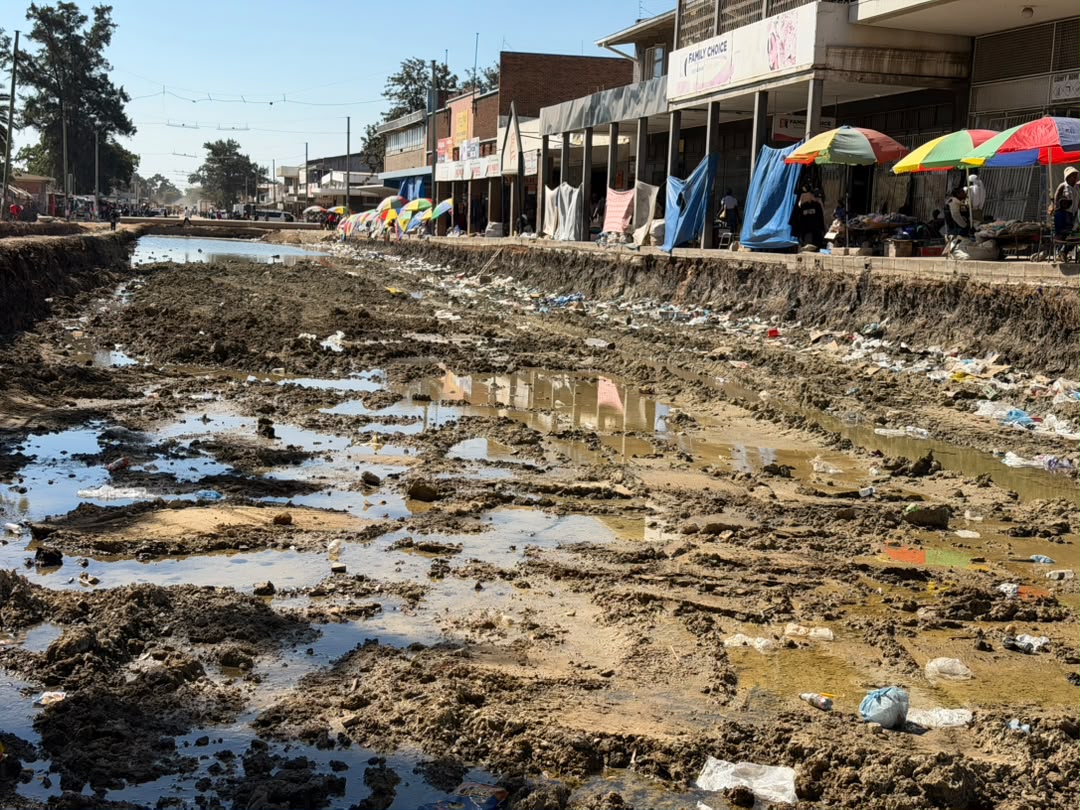
What motorists see from behind the wheel are traffic diversions, road closures and construction barriers. Saushoma’s photographs, however, reveal the hidden world beneath the asphalt — deep excavations exposing ageing sewer infrastructure, massive trenches stretching along the carriageway and engineers battling underground water in a project that is as complex as it is costly.
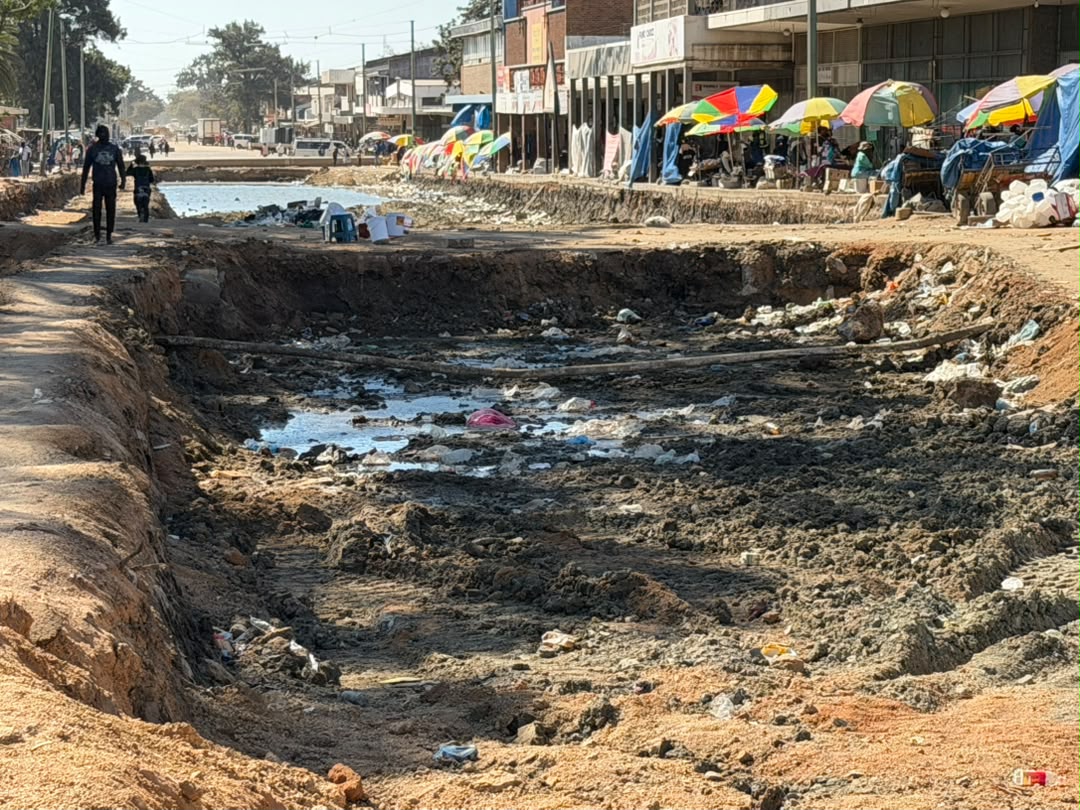
The images provide a rare glimpse into the painstaking work required to breathe new life into one of the city’s most important roads, illustrating why what appears to be a routine resurfacing exercise has evolved into one of Bulawayo’s biggest infrastructure projects in recent years.
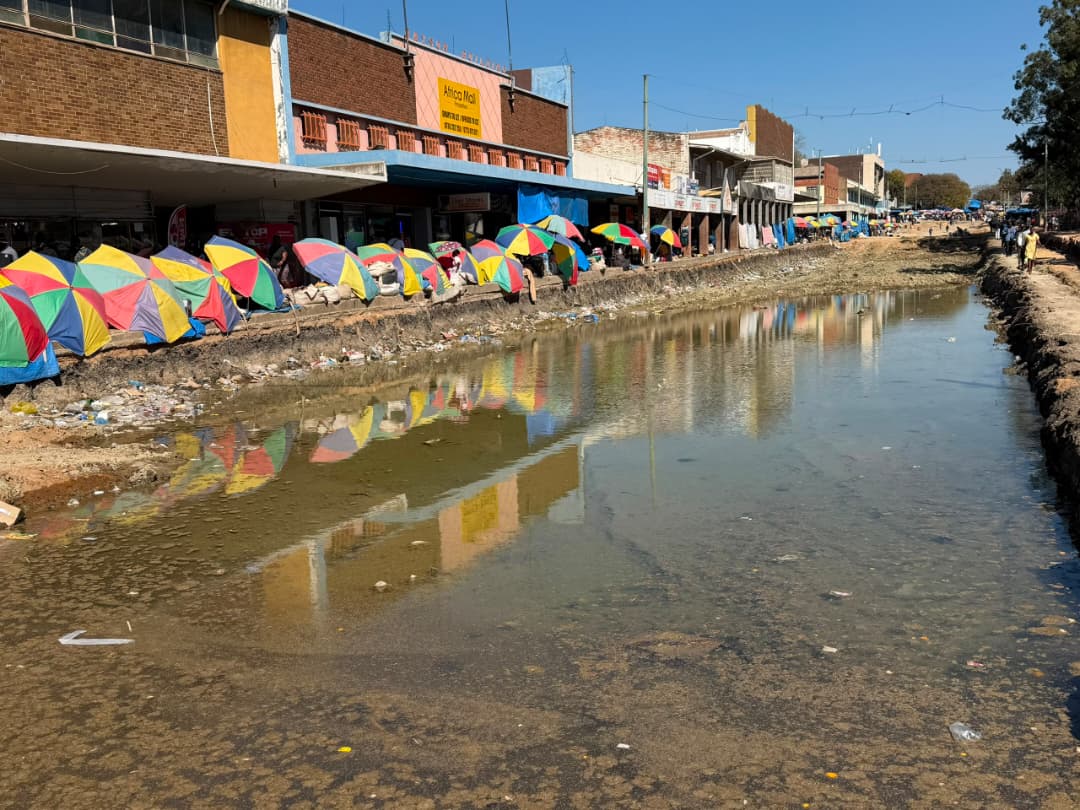
Work on the rehabilitation began in April after the Bulawayo City Council temporarily closed sections of Lobengula Street to allow for extensive reconstruction works. The project includes the rebuilding of the road pavement, installation of a new sewer system, improvements to storm-water drainage, road overlays and the reinstatement of carriageway markings.
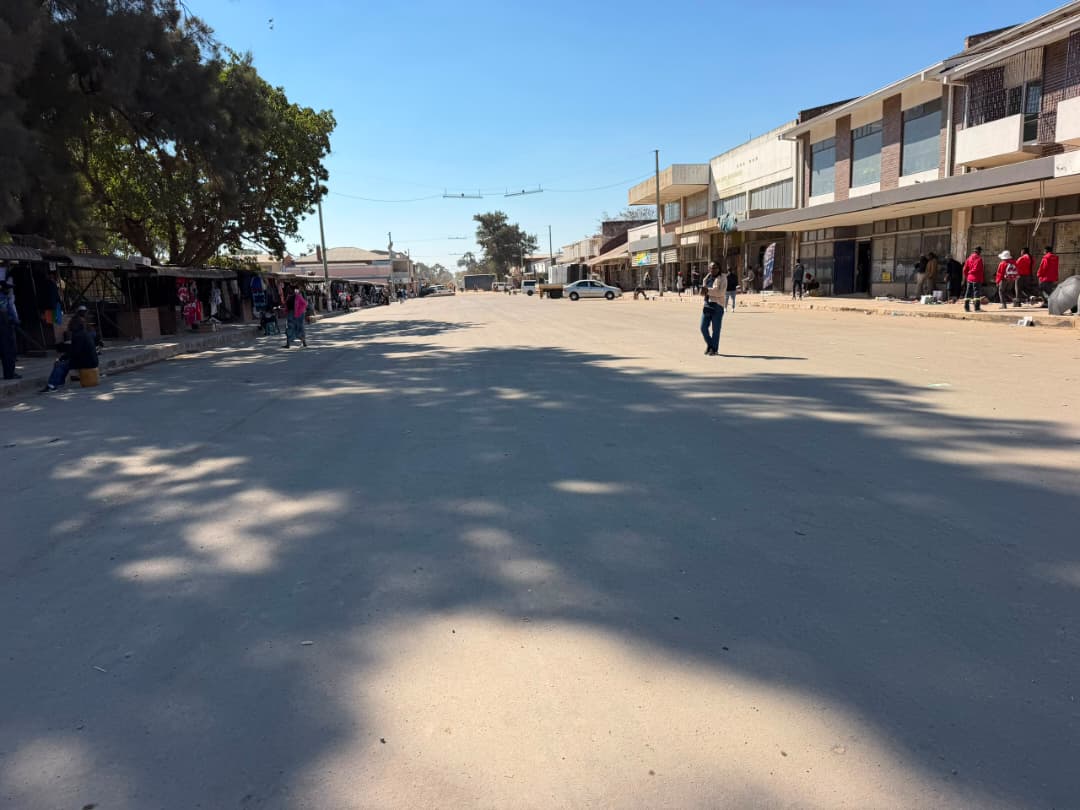
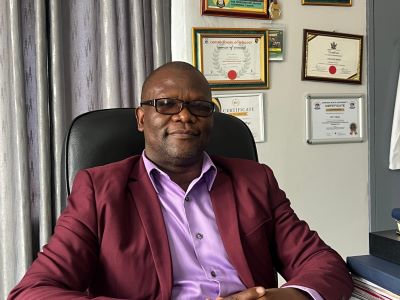
According to BCC Acting Director of Works, Engineer Methusi Dibidi, the local authority has already spent approximately US$800,000 on the project, which is expected to cost US$1.5 million upon completion.
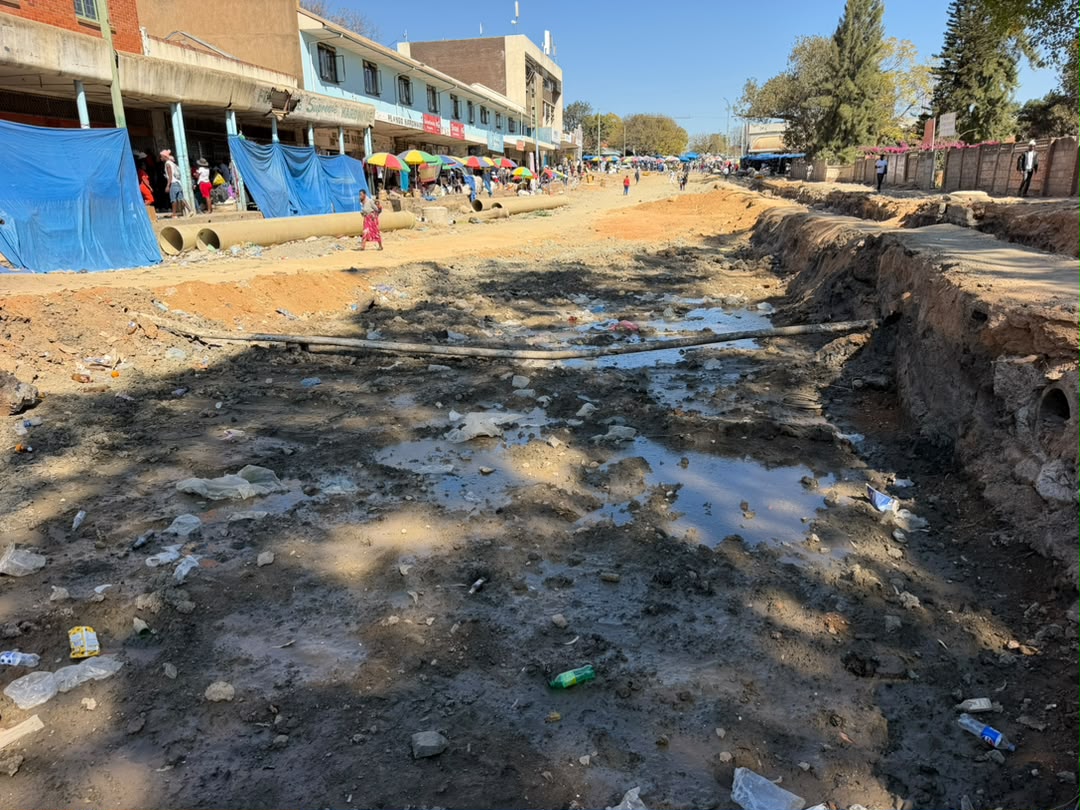
“The works on Lobengula Street are estimated to cost approximately US$1.5 million but to date we have spent US$800,000. The overall progress stands at more than 35 percent complete for the entire project,” he said.
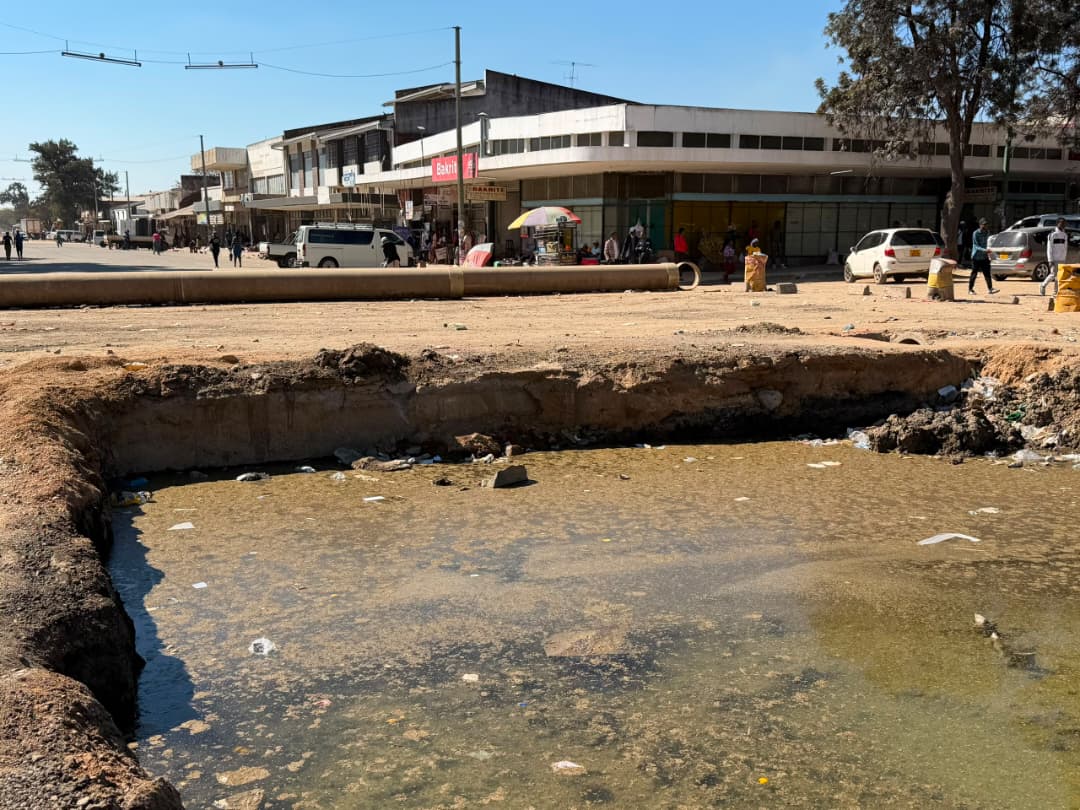
Behind the dramatic scenes captured by Saushoma lies a significant engineering challenge.
Engineer Dibidi said crews have had to contend with a high underground water table that continues to complicate excavation works, while ageing underground infrastructure and equipment shortages have also slowed progress.
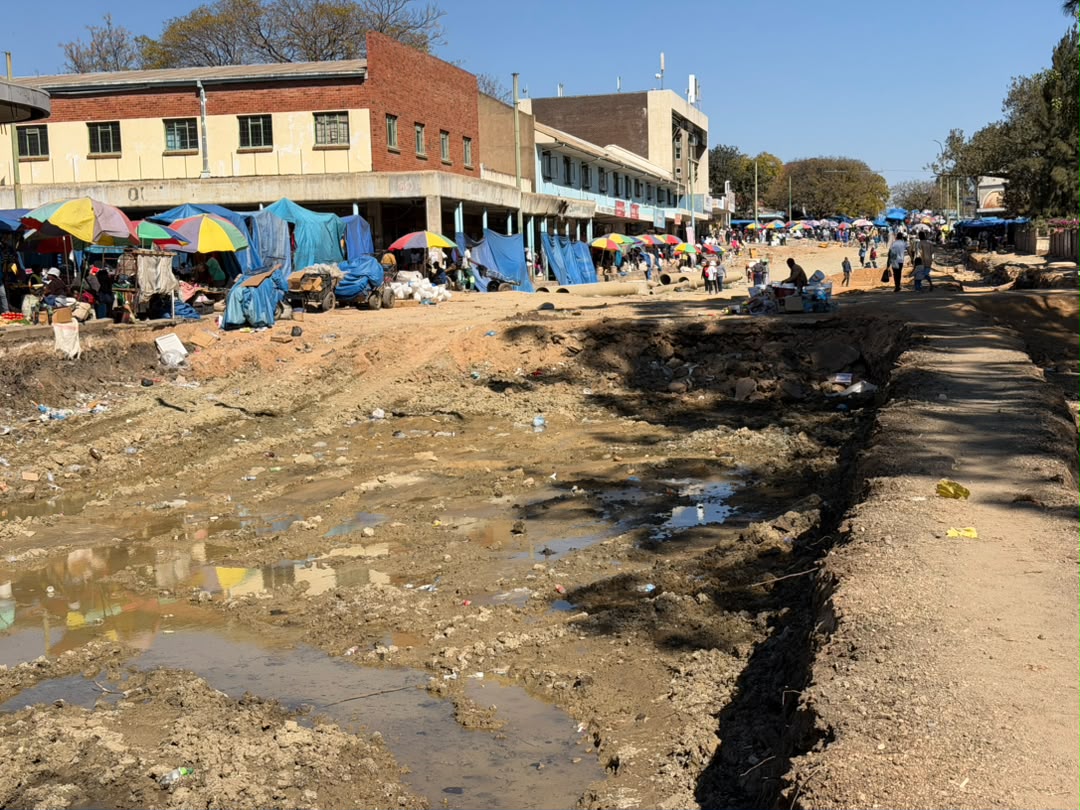
“The area has a lot of underground water as a result of a high water table, so that presents challenges during the rehabilitation of the road,” he said.
The road had exceeded its intended design life, making a full reconstruction unavoidable. Beyond repairing the damaged carriageway, engineers are also replacing ageing sewer infrastructure to reduce the risk of future failures beneath the road surface.
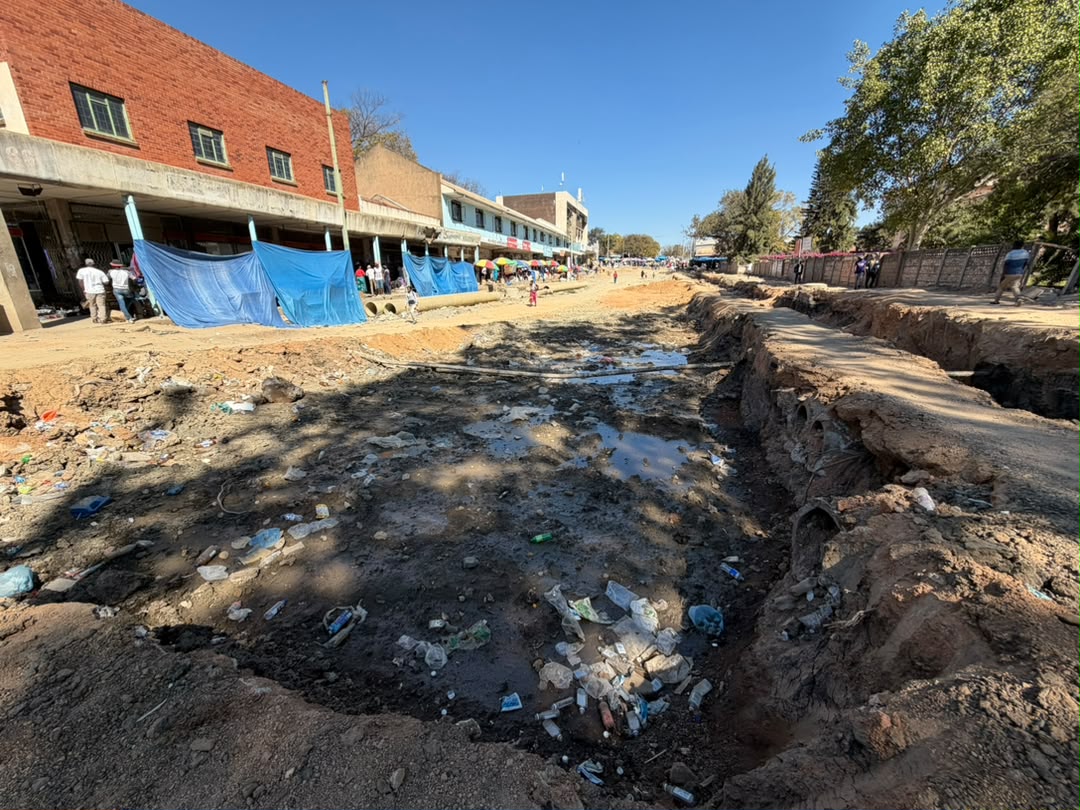
For thousands of motorists who use Lobengula Street every day, the inconvenience has been unavoidable. The road serves as one of Bulawayo’s principal gateways, carrying heavy volumes of commuter omnibuses and private vehicles travelling between the city centre and suburbs including Entumbane, Njube, Lobengula, Emakhandeni, Gwabalanda, Luveve, Nguboyenja and Cowdray Park.
Before the works commenced, council acknowledged that temporary road closures would disrupt businesses, residents and commuters but maintained that the rehabilitation would significantly improve road safety, extend the lifespan of the carriageway and provide a smoother driving experience once completed.
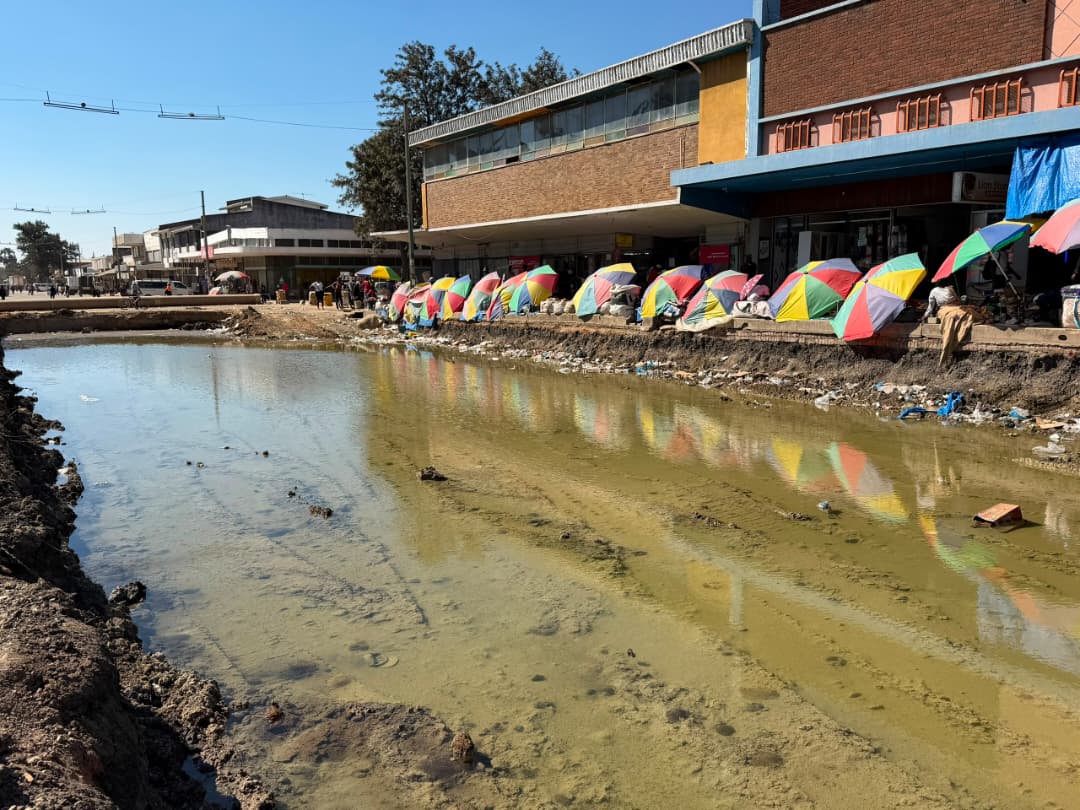
The Lobengula Street rehabilitation is part of the city’s broader efforts to restore ageing transport infrastructure.
Last year, the local authority spent about US$1 million rehabilitating sections of Lobengula Street and Third Avenue, replacing damaged culvert pipes and repairing roads that had become increasingly difficult to navigate because of potholes and deteriorating surfaces.
The city has encountered similar engineering obstacles before. In 2023, rehabilitation works on Luveve Road near Renkini and the Mazai River Bridge expanded significantly after contractors uncovered underground water, unstable clay soils and ageing water and sewer infrastructure beneath the construction zone.
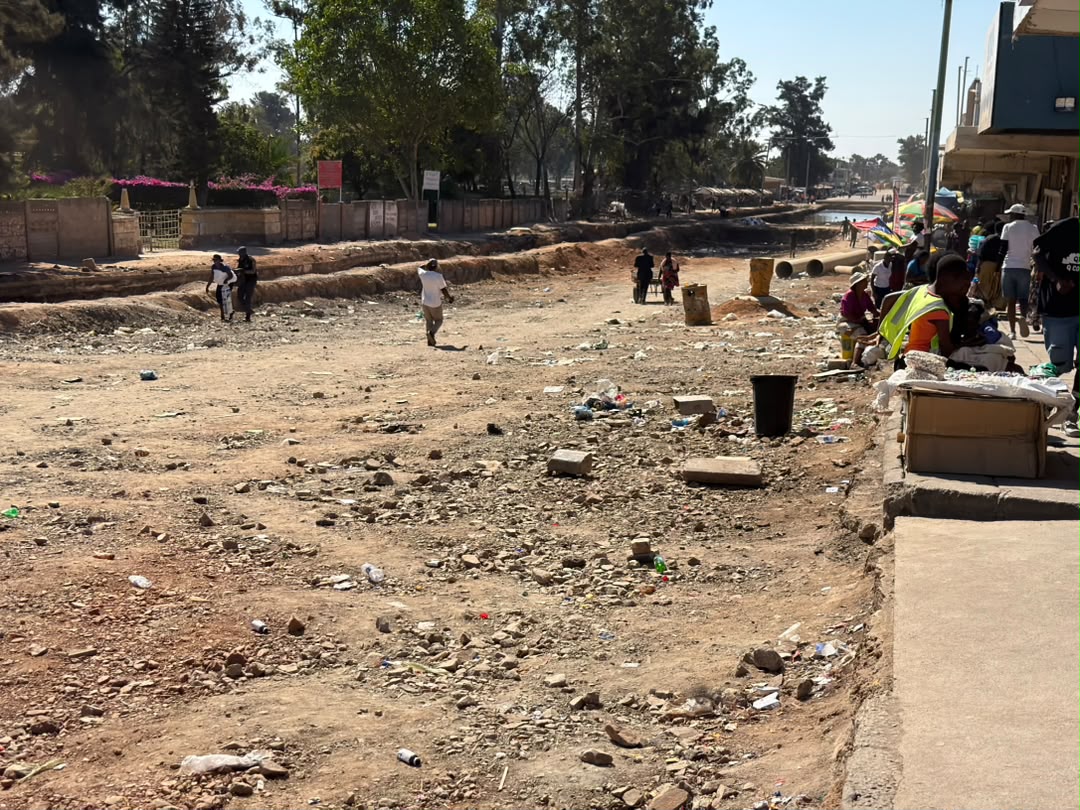
Despite those challenges, the project was successfully completed, giving council confidence that the current works on Lobengula Street will also reach the finish line.
Yet it is Saushoma’s photographs that perhaps best explain the magnitude of what is taking place. His images freeze moments of heavy machinery carving through layers of ageing infrastructure, workers dwarfed by deep excavations and the painstaking reconstruction of a road that thousands traverse daily without ever considering what lies beneath.
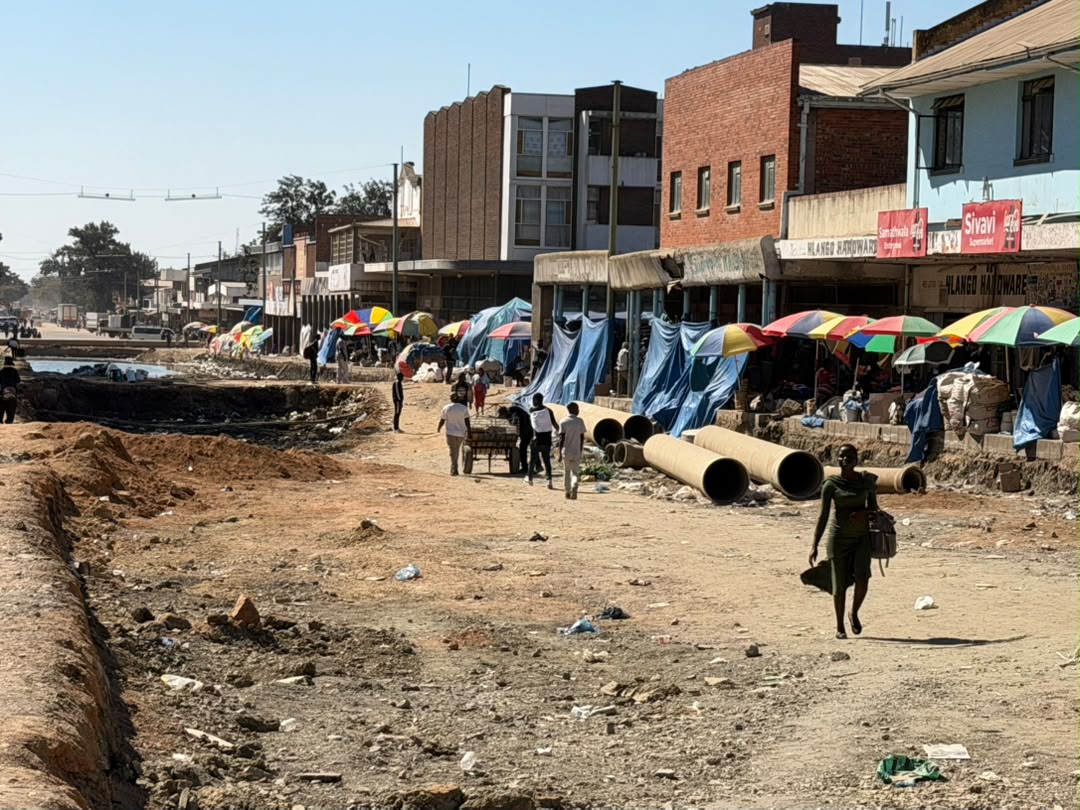
Viewed through his lens, the rehabilitation of Lobengula Street is more than a construction project. It is the story of a city rebuilding one of its most vital arteries from the ground up — a visual record of the engineering effort, investment and determination required to prepare Bulawayo’s infrastructure for the decades ahead.