admin
admin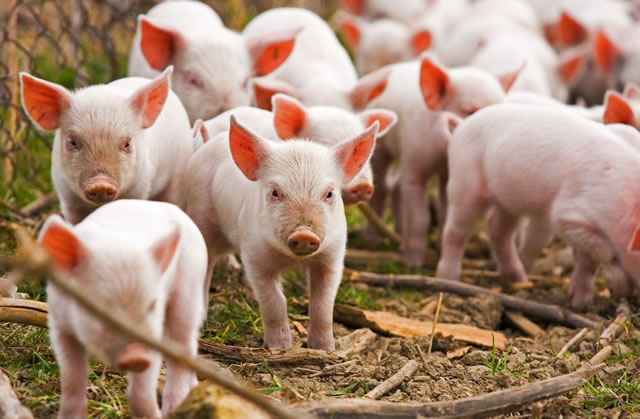

Harare Bureau
ZIMBABWE’S pig industry is in dire straits due to a combination of factors such as high costs of feed, depressed demand due to low consumer spending and low producer price.The past six months have been devastating for pig producers as producer prices went down from about $3,10 per kilogramme in January last year to $2,50 in the second half, Pig Industry Board director Andrew Shonhiwa said.
The wholesale price also declined from about $3,70 per kg to about $2,85 per kg. However, stock feed prices spiked due to a shortage of maize and soya beans, putting an added strain on about thousands of large and small-scale pig farmers. Between June and December last year, Shonhiwa said stock feed went up by an average seven percent. “The industry is no longer viable due to a combination of several factors,” said Shonhiwa.
“I would say the liquidity challenge is the major reason. Pork demand is depressed due to low disposable incomes and this has pushed down the producer price.
“We have also witnessed high cost of stock feed mainly because the country does not have enough maize and we are supplementing with imports, thereby pushing up the prices,” he said.
He added that the industry was experiencing shortages of protein supplement. Recently, Shonhiwa told local media that government should allow importation of milled Genetically Modified Organism maize to overcome shortages of stock feeds on the local market.
A GMO is an organism whose genetic material has been altered using engineering techniques. In 2006, Zimbabwe banned the production and importation of GMOs preferring to maintain the organic form of its agricultural products despite threats to food security.
There has, however, been growing calls for government to lift the ban on GMOs to ensure food security with some experts arguing that breeding of seed varieties was the same as genetically modifying organisms.
Shonhiwa said government should allow the importation of crushed genetically modified maize to overcome stock feeds shortages.
“Because we are not producing enough maize, prices of stock feeds will increase with time. Maize is accessible at cheaper prices only during the harvesting period,” he said.
“We urge the government to allow the importation of genetically modified maize that has been milled. This prevents the dangers to the genetic make-up of our locally produced maize so that farmers, especially pork producers, access milled maize at favourable prices.”
He said the pig farmers have also been unable to access loans due to prohibitive interest rates. A commercial pork producer Robert Davenport said most pig producers were scaling down due to the oversupply of cheap imported protein from countries such as Brazil.
“The reason that we and other producers are scaling down is an oversupply of cheap imported protein from outside our borders,” he said.
“This is mainly the importation of mechanically deboned chicken meat which is basically dumped from countries like Brazil, and lands here way below the cost of production of local chicken and pork.
“Unless something is done to reduce imports we will have no local pork industry or chicken industry with direct job losses at producer level and of course in the downstream processing businesses. The answer lies in coming up with tariff barriers that protect the local industry.”



 Online Reporter